

 REQUEST FOR QUOTATION
The 2nd Halal Business Forum—described as the largest event on the halal market in the European Union—has been successfully concluded
Organized by the Halal Quality Certification Centre, the second Halal Business Forum was successfully held in Zagreb, at the Westin Hotel, on 4 and 5 October 2022.
The aim of the event is to create a platform and specialized service for numerous halal stakeholders—from industry, non-profit organizations, representatives of state bodies, managers of business and hotel management, travel agencies, local self-government units, university professors, scientific researchers, financial institutions, buyers, and trade visitors.
The halal market records year-on-year growth in supply and demand, with its current value estimated at USD 2 trillion and nearly two billion users.
The patrons of HBF are three Croatian ministries—the Ministry of Economy and Sustainable Development, the Ministry of Tourism and Sports, and the Ministry of Agriculture—along with partnerships and sponsorships from numerous domestic and international institutions, such as the Croatian Chamber of Economy, the Zagreb City Tourist Board, Croatia Airlines, Advantage Austria, the Foreign Economic Relations Board (DEIK) Turkey, the Islamic Chamber Research and Information Center (ICRIC) Iran, the Standards and Metrology Institute for Islamic Countries (SMIIC), the World Halal Summit (WHS), Halal Focus, and others.
During the two-day event, numerous business-to-business (B2B) meetings were held, and Podravka d.d., AS Holding d.o.o., Ireks Aroma d.o.o., Pekar d.o.o., Clarum d.o.o., Škokić d.o.o., Pik Vrbovec plus d.o.o., Hrvatska industrija šećera d.d., Dim-Mes d.o.o., TLK Ekologija d.o.o., New Bakery d.o.o., Poliklinika Glavić, Magic Cleaner, Verify Halal, and Mudro Bioindustry d.o.o. presented their offers of halal products and services in the exhibition part of the forum. The contribution of science was also present, as expert and scientific papers, after undergoing two reviews, were published in the journal Ekonomski izazovi. Moreover, according to information available so far, papers from conferences on the topic of halal have not been published in peer-reviewed journals elsewhere in Europe. Taking into account the comprehensiveness of this conference, we can conclude that this is the largest event on the halal market in the European Union.
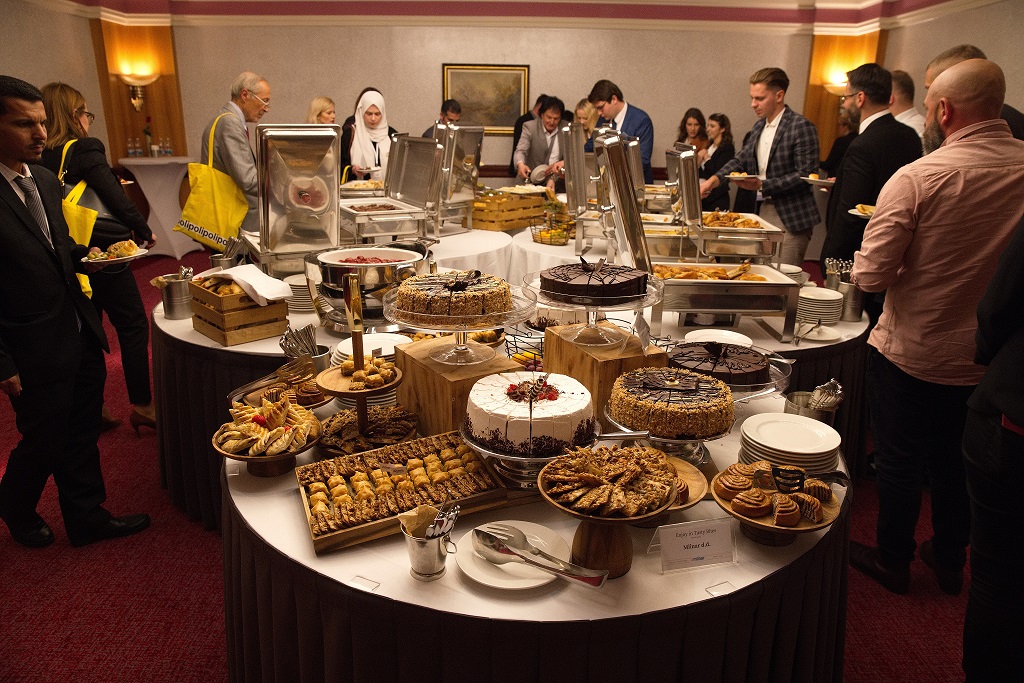
“I am pleased to welcome you to the second Halal Business Forum in the year marking the 30th anniversary of the international recognition of the Republic of Croatia,” were the words with which Assistant Professor Dr. Aldin Dugonjić, head of the Centre, greeted the guests from 40 countries and representatives of Croatian companies with halal certification.
Important contributions to the opening ceremony were made through speeches by Academician Aziz ef. Hasanović on behalf of the Meshihat of the Islamic Community in Croatia, Mr. Ihsan Övüt, Secretary General of SMIIC (Standards and Metrology Institute for Islamic Countries), and Mr. Bojan Batinić, Director of the Internationalisation Directorate at the Ministry of Economy and Sustainable Development.
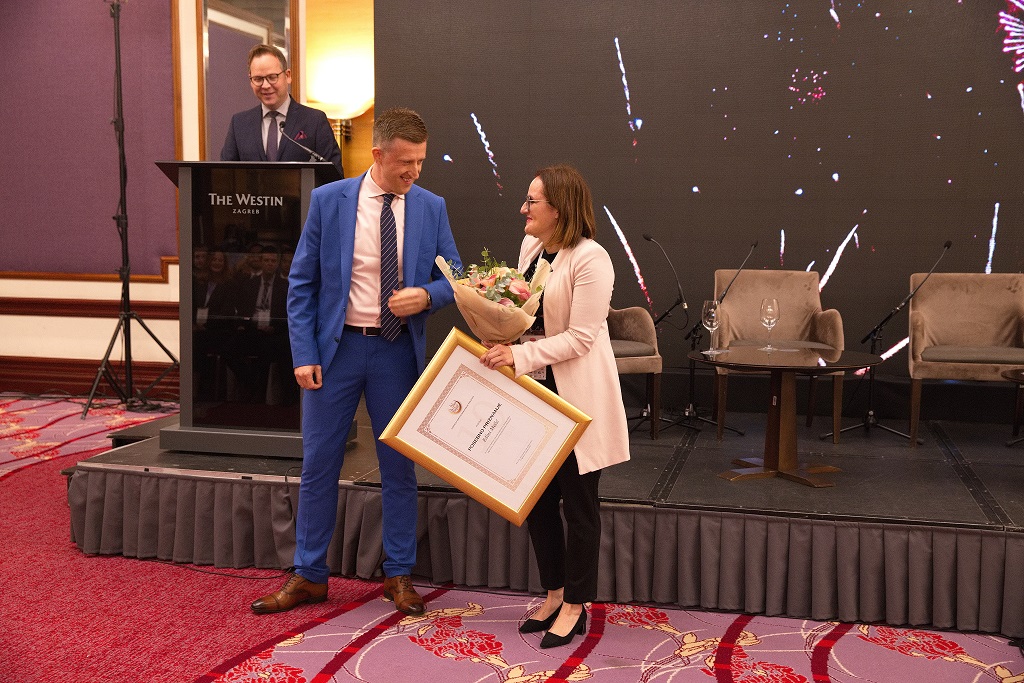
On this occasion, Ms. Edina Mešić, Head of the Quality Department at the Halal Quality Certification Centre, was presented with an award for her exceptional contribution to the development of the Centre through selfless effort and dedication over ten years of work.
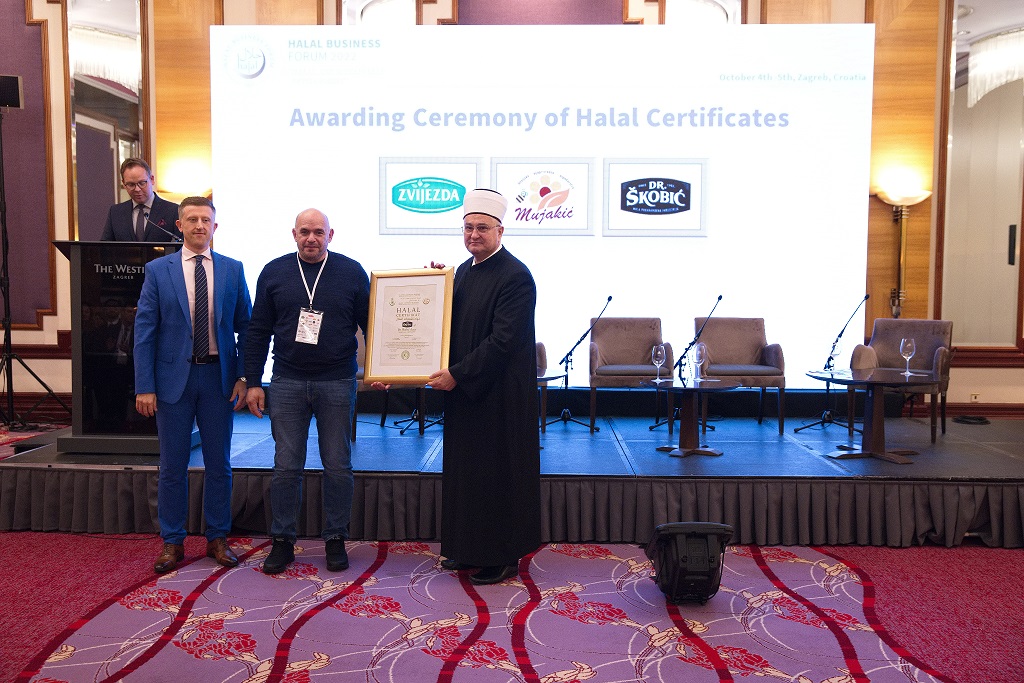
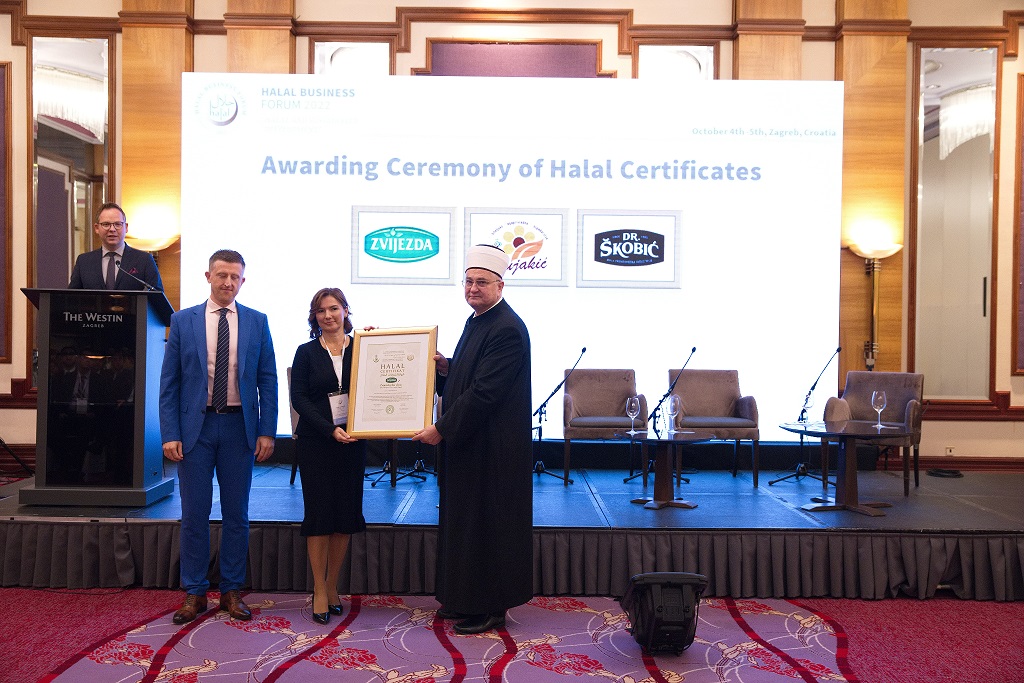
Halal denotes an entire lifestyle. Its focus is on sharing and helping, because what belongs to a person is only what they give to others. The Halal Quality Certification Centre takes its social responsibility seriously. Responsibility is not limited only to how we act in economic terms, but to how we can positively influence our clients’ projects in order to maximize their goals and minimize negative impacts on the environment, the community, and society as a whole. Guided by this thread, the Halal Quality Certification Centre, together with the sponsors of the Halal Business Forum, decided to donate a cheque in the amount of HRK 10,000 to the Association “Krijesnica,” which helps children and families facing malignant diseases. At the end of the opening ceremony, certificates were awarded to manufacturers that completed the certification process in September, namely: Zvijezda plus d.o.o., OPG Mujakić, and Dr. Škobić.

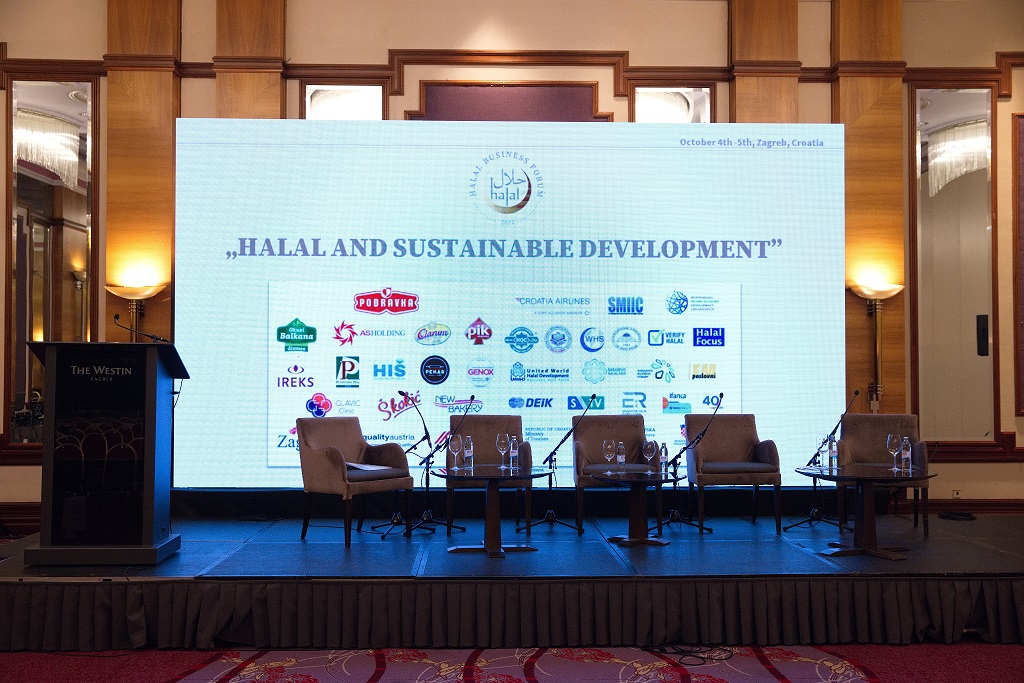
Sustainable development, which has become the motto of the Halal Business Forum, has become the number-one topic worldwide, arising as a response to the negative consequences of human activity connected with all life issues in society, the economy, and everything that surrounds us.
Are the regulations and principles of the concept of halal complementary or different in relation to sustainability, given that halal represents a system of permissibility with a preventive–proactive approach?
Answers to these and many other questions were offered by 32 top experts who participated in five panel discussions covering numerous topics of the halal market—from tourism, production, and food, to standardization, digitalization, banking, and finance.
Some of the conclusions were:
- Insects in human nutrition, as well as laboratory-grown meat, will soon no longer be taboo topics. Such alternative sources of protein in human diets are in line with the sustainable development of human nutrition, and further efforts are needed in their commercialization.
- To truly live sustainably, each of us must be aware of our own contribution. Furthermore, religion and science are not mutually opposed; thus, sustainability runs through all major religions, because everything that is good and recommended for humans is also good for the environment.
- The production plan must not stop with the production of a given product; manufacturers must also think about the efficient disposal of by-products and packaging. The shift towards a circular economy is considered vital for reducing waste and extending the “life cycle” of products.
- Tourism has for too long been focused on how to attract as many tourists as possible, while the preservation of natural beauty and local communities was secondary. We need to stop counting overnight stays and instead place heritage preservation and contributions to local communities first, followed by contributions to the national economy as a whole. Today’s tourists want high-value experiences through interactions with local residents and learning about their way of life, because experiences are what are remembered far longer than facts.
- More effort is needed regarding the harmonization of halal standards and the adoption of a single halal accreditation recognized in all countries worldwide, so that certified manufacturers and service providers can participate more easily in the global halal market.
- Croatia has full potential to participate in the halal market, both through its export activities of halal products and through halal tourism, while acting in accordance with the European Green Deal and the UN Global Goals for Sustainable Development.
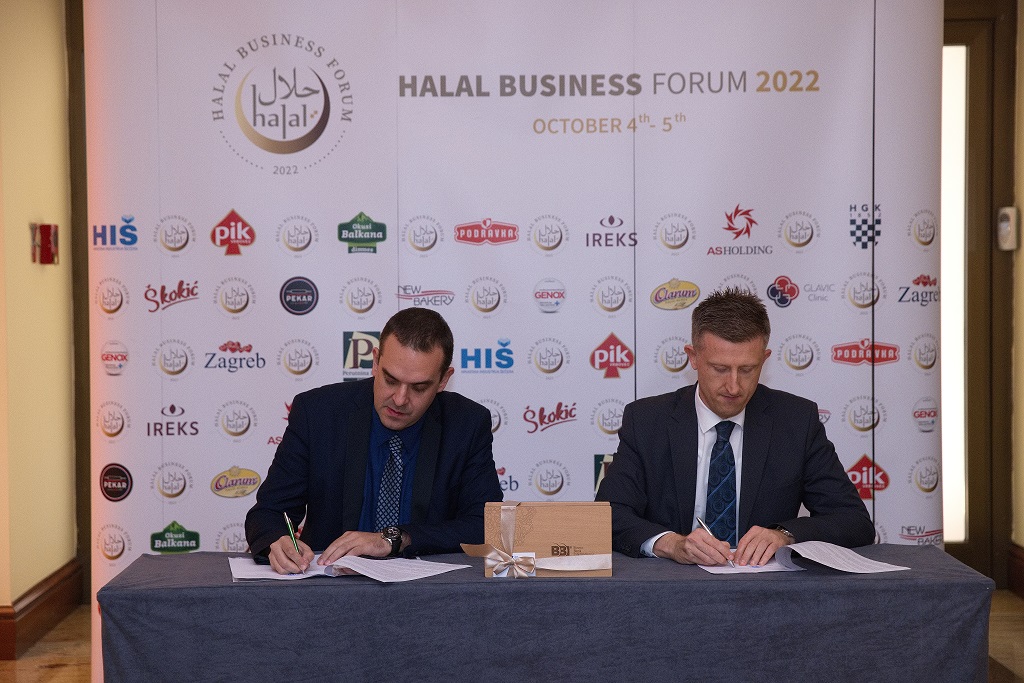
An important event at the forum was the signing of a Memorandum of Cooperation between the head of the Centre, Mr. Aldin Dugonjić, and the director of the Sarajevo Business Forum, Mr. Dino Selimović. The Memorandum of Cooperation envisages joint appearances and activities in attracting and encouraging domestic, regional, and international investments, as well as strengthening the competitiveness of economic entities and institutions from Croatia and Bosnia and Herzegovina.
“The Republic of Croatia is recording increased interest from guests who demand halal services, and the halal certificate has enabled numerous Croatian companies to export to international markets. The Centre, as the organizer of the International Halal Business Forum Croatia, has recognized great potential in the Sarajevo Business Forum and Sarajevo Halal Fair for strengthening the competitiveness of Croatian companies and promoting them to consumers who consume halal products and services,” stated Dr. Aldin Dugonjić.
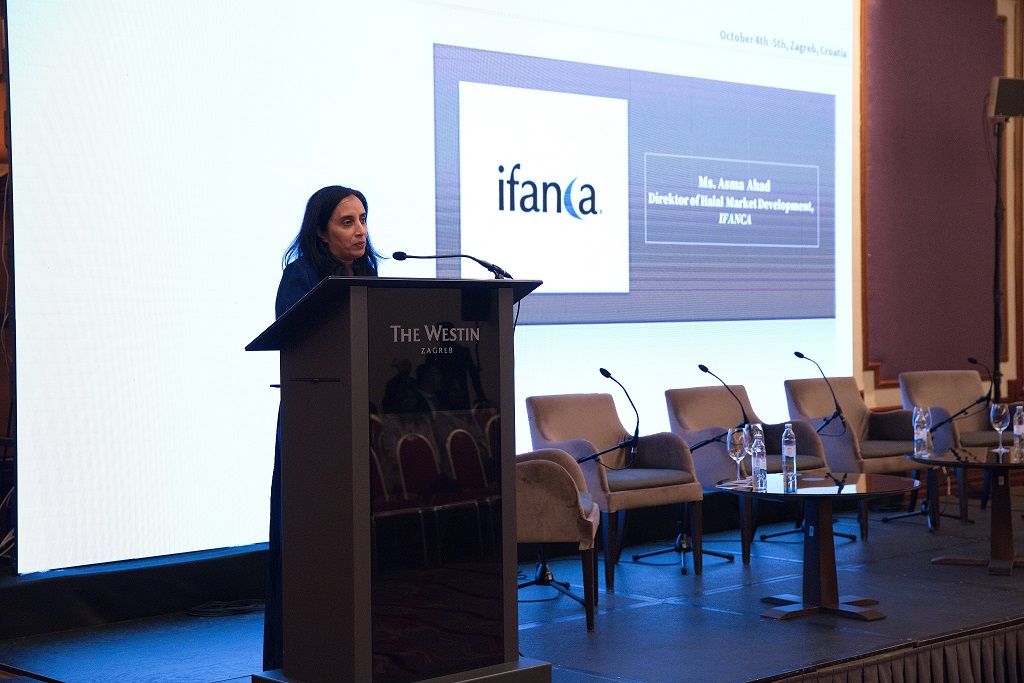
The closing remarks were delivered by Ms. Asma Ahad, Director of Halal Market Development at the Islamic Food and Nutrition Council of America (IFANCA), concluding that “halal is a benefit for all people and the entire world.” After words of thanks, Mr. Dugonjić emphasized that new trends in the halal market certainly contribute to global sustainability, but that achieving the goals requires unity and synergy among consumers, manufacturers, certification bodies, and authorities.
- Log in to post comments