 REQUEST FOR QUOTATION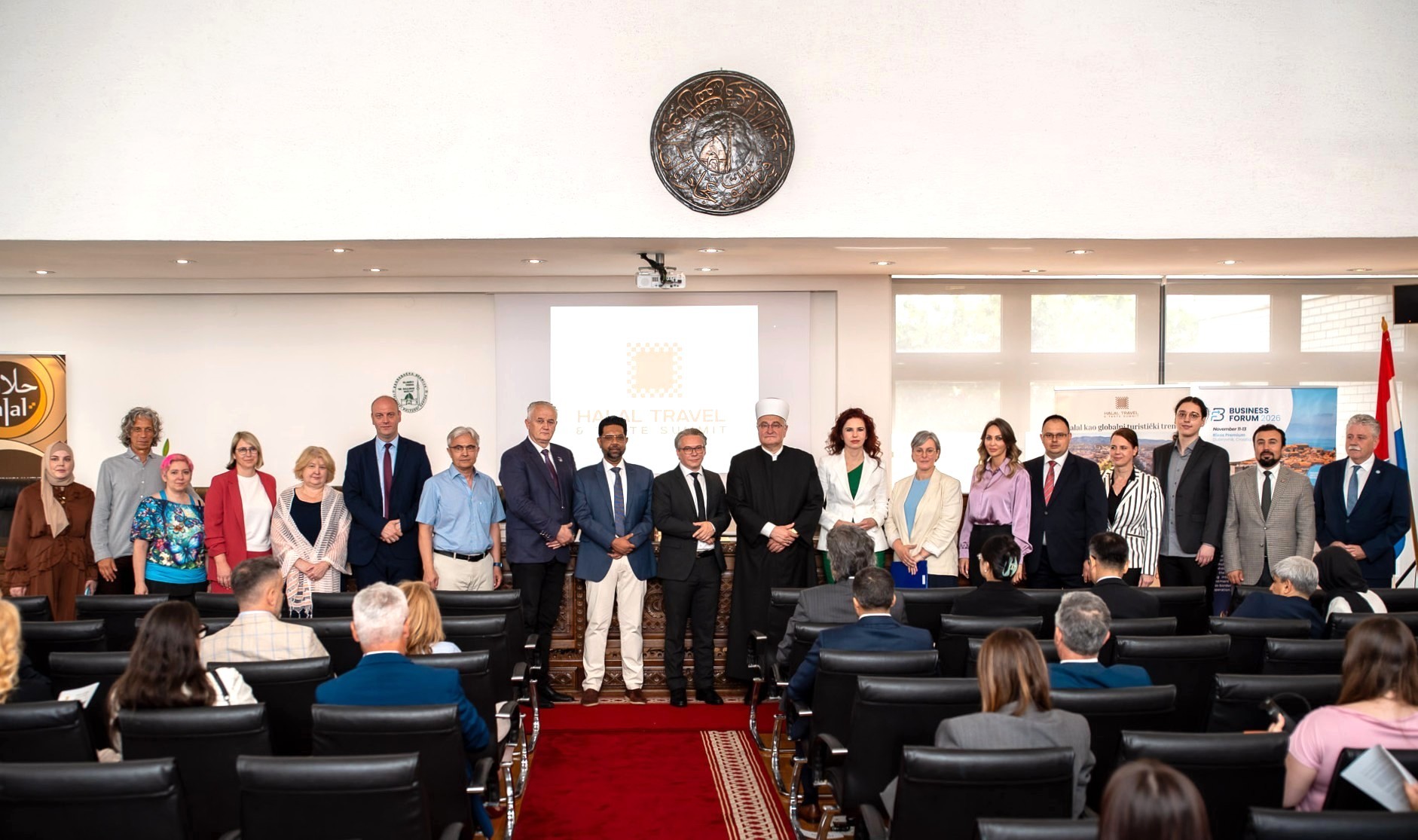
CROATIA ON THE THRESHOLD OF A NEW TOURISM HORIZON: Zagreb Opens Doors to the Global Halal Market of the Future
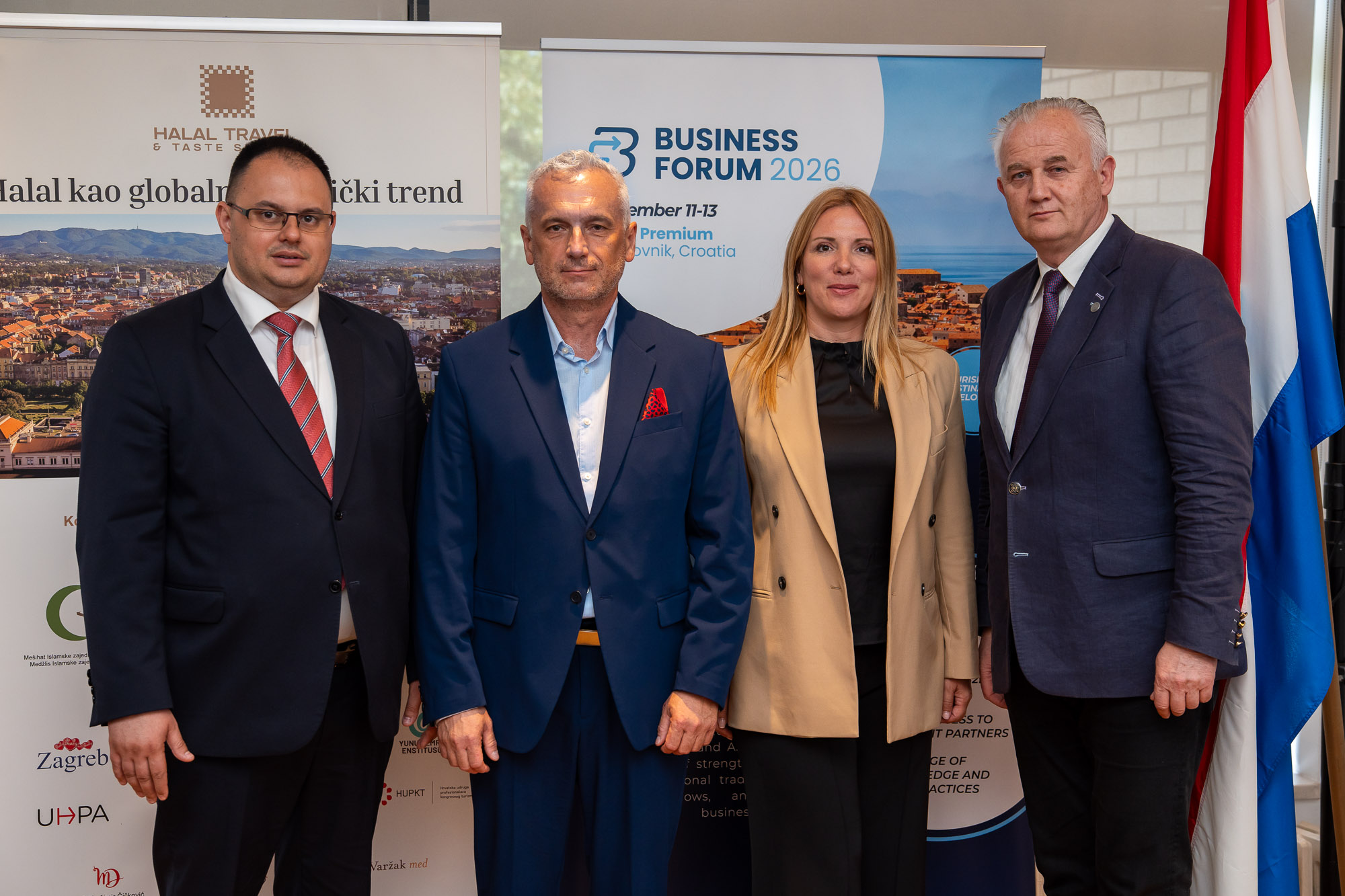
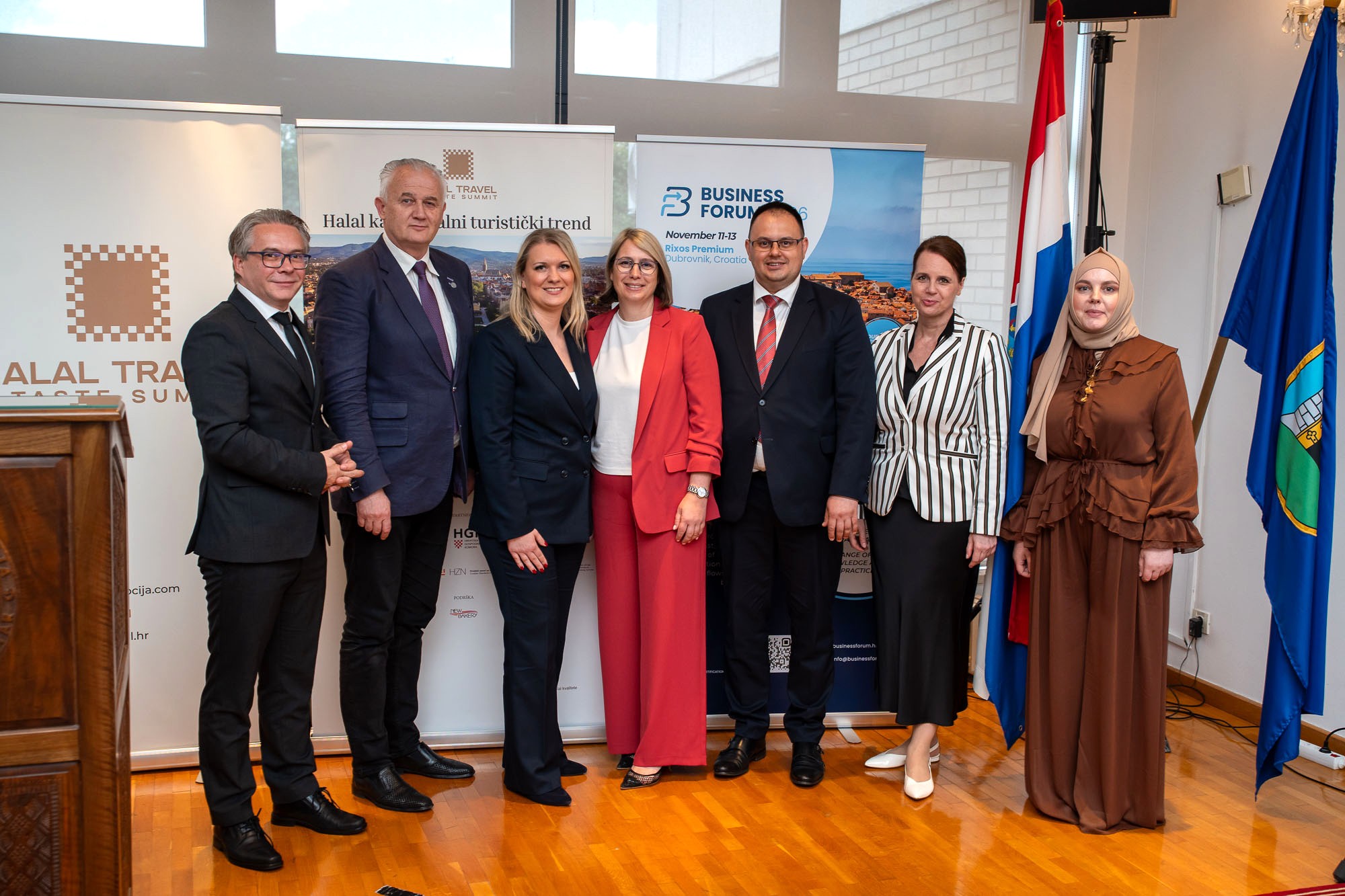
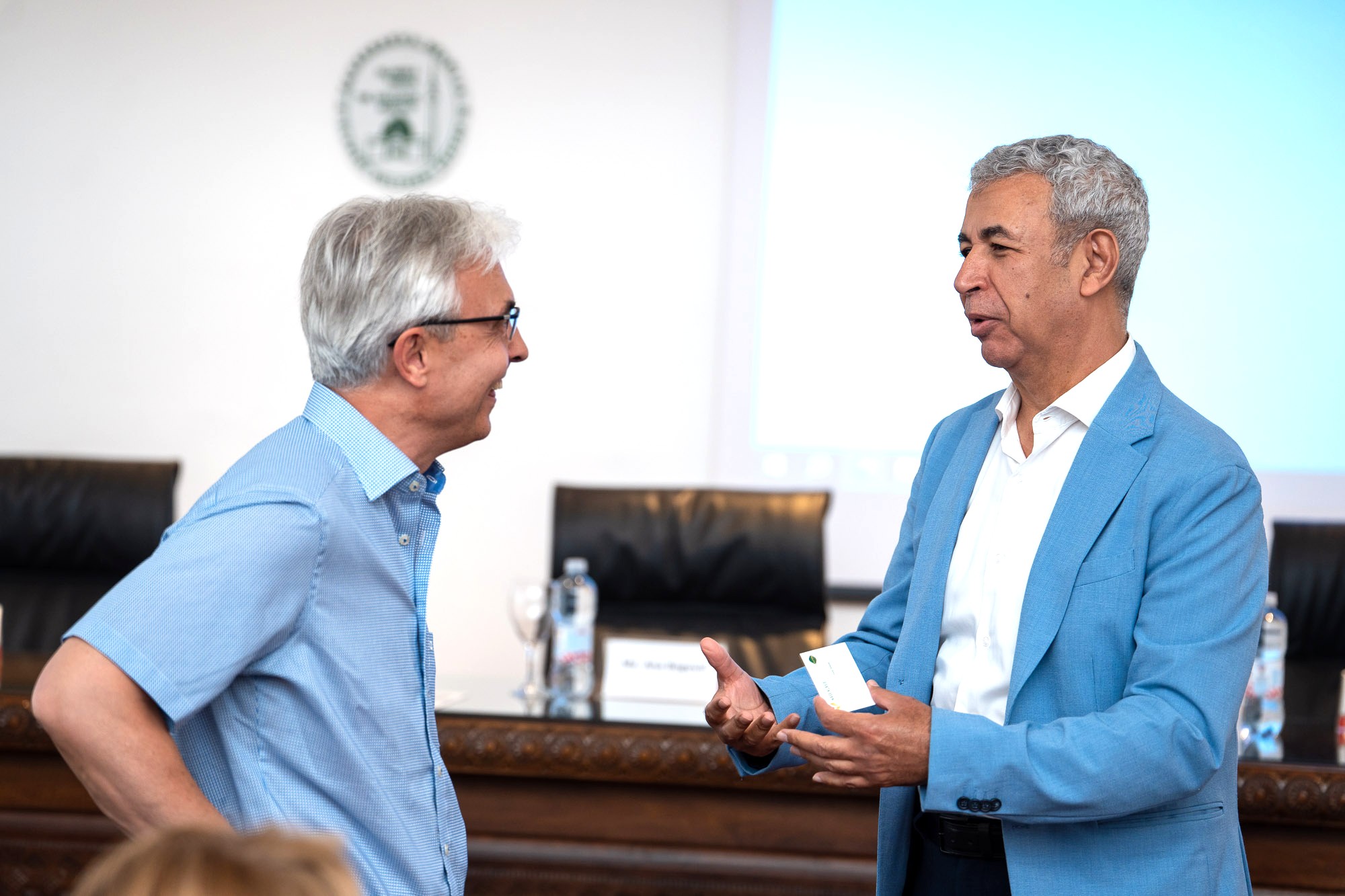
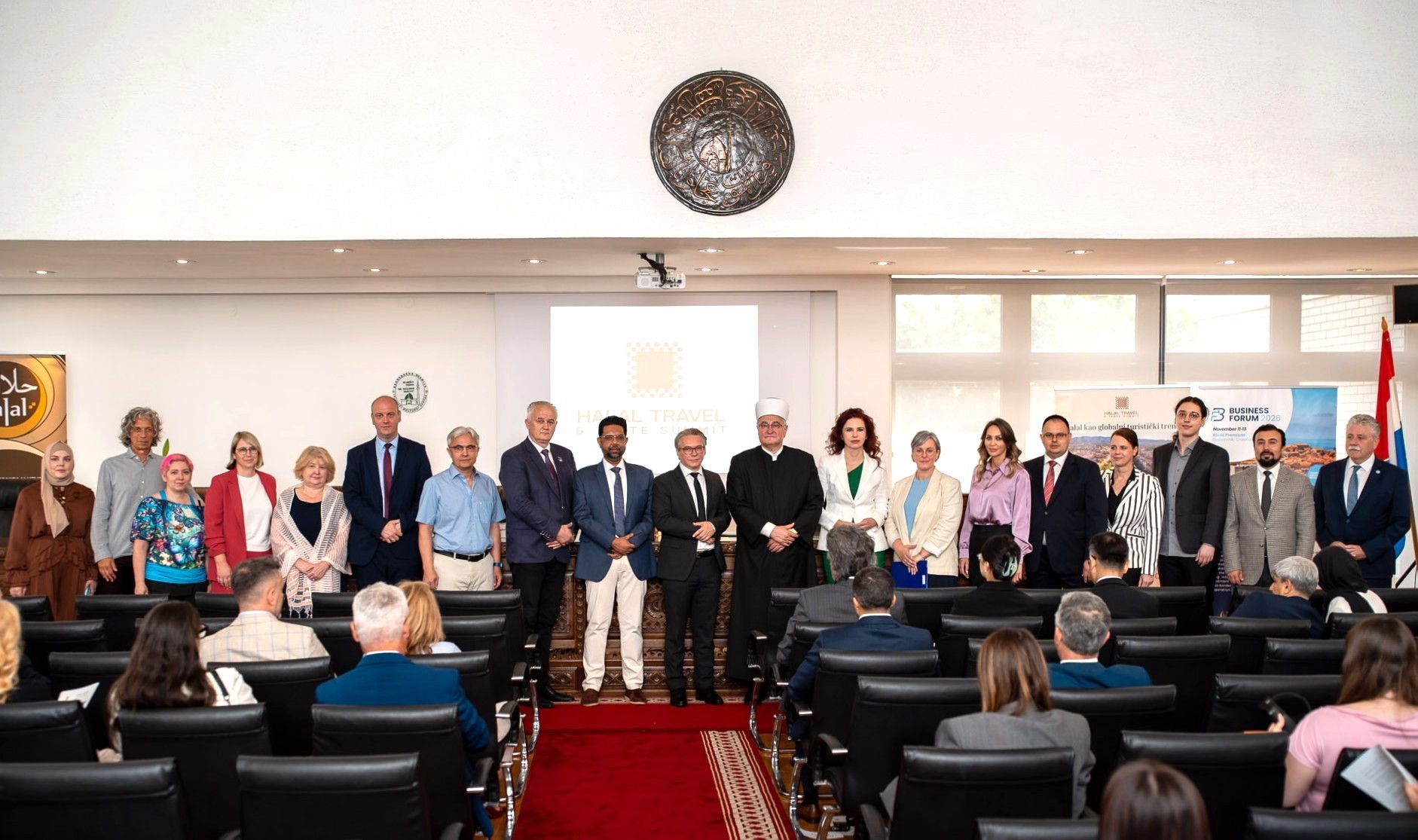
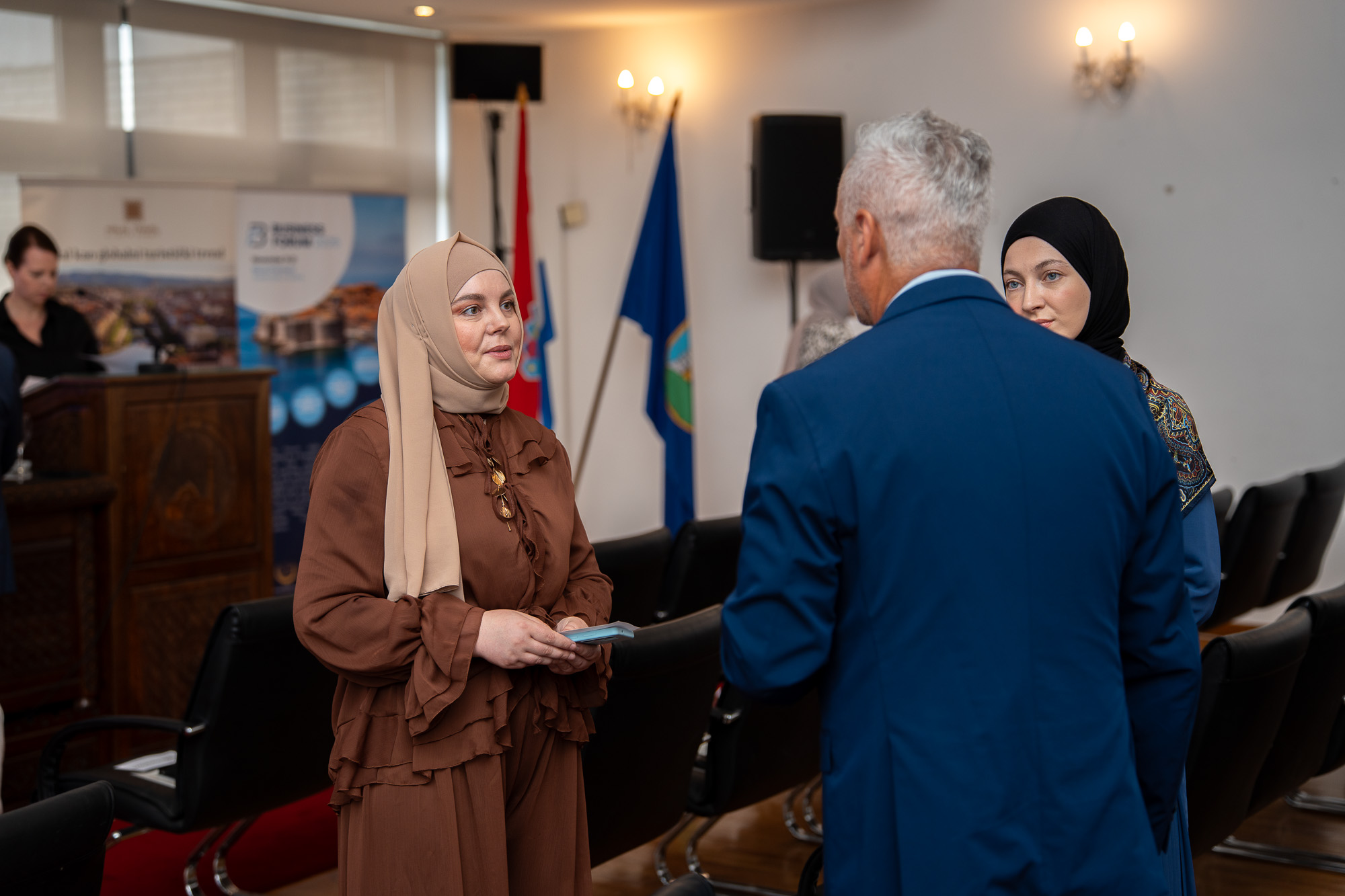
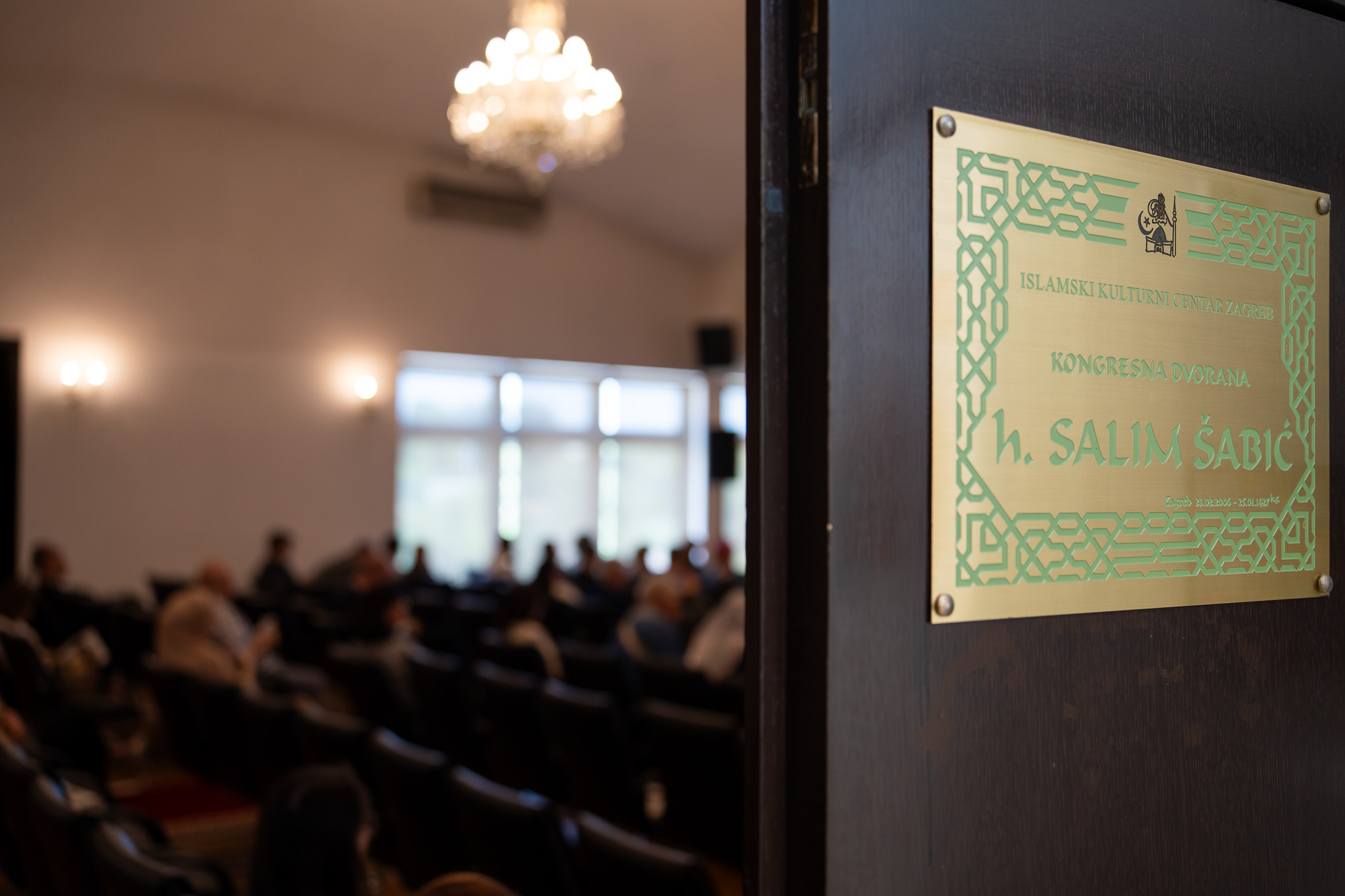
Halal Travel & Taste Summit, a specialised international event that placed Zagreb at the centre of discussions on one of the most dynamic segments of the global tourism industry, was held at the Zagreb Islamic Centre, a venue that has for decades served as a space for dialogue, culture and the exchange of ideas.
At a time when global tourism is redefining its priorities, from sustainability and authenticity to safety, quality and personalised experiences, halal tourism is moving beyond the boundaries of a specialised market and emerging as a significant economic sector. Today, it accounts for approximately 186 million international trips annually, while projections indicate that this figure could reach as many as 245 million trips by 2030. At the same time, annual expenditure by travellers using halal-compliant services is expected to reach approximately USD 280 billion.
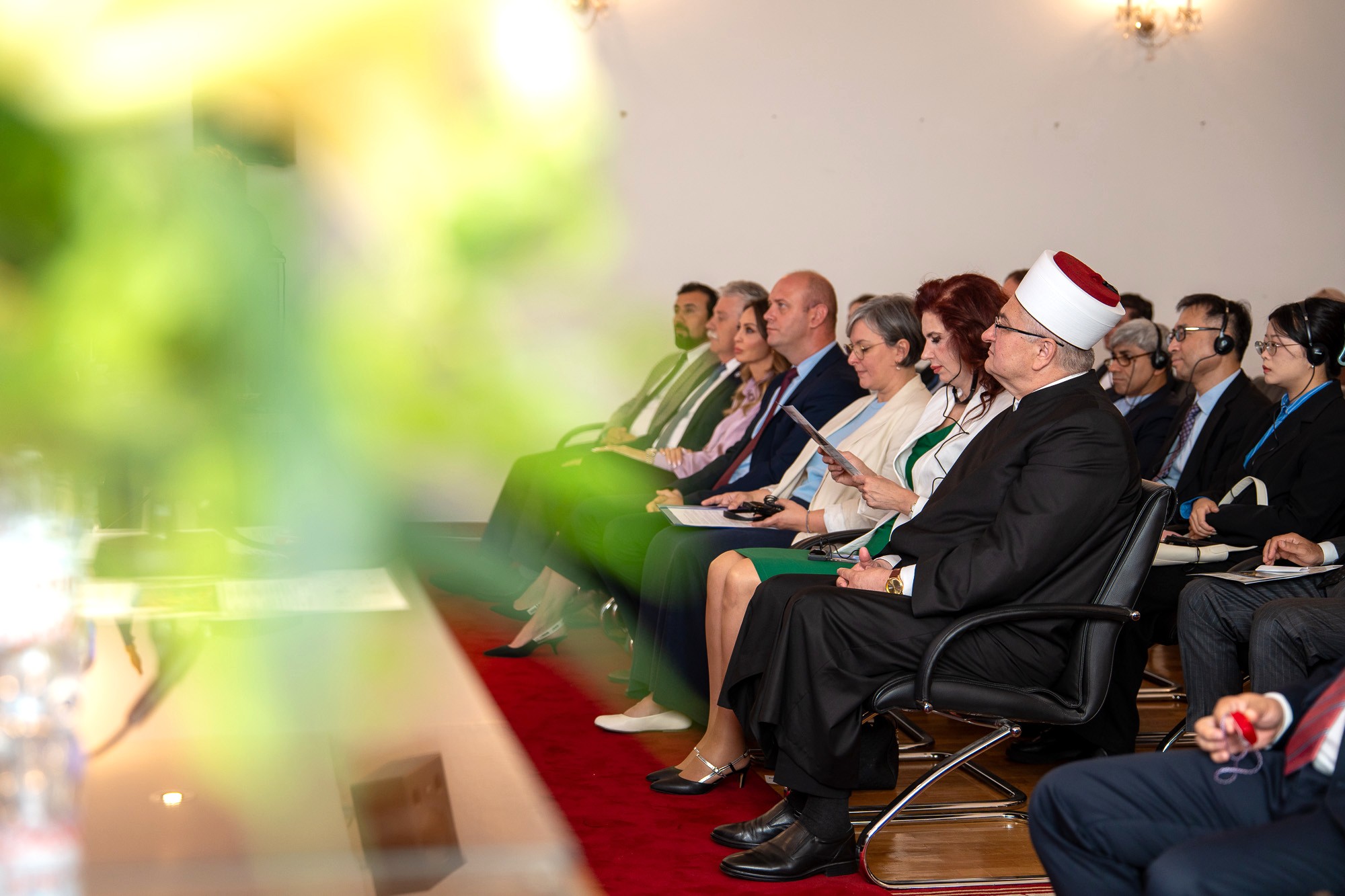
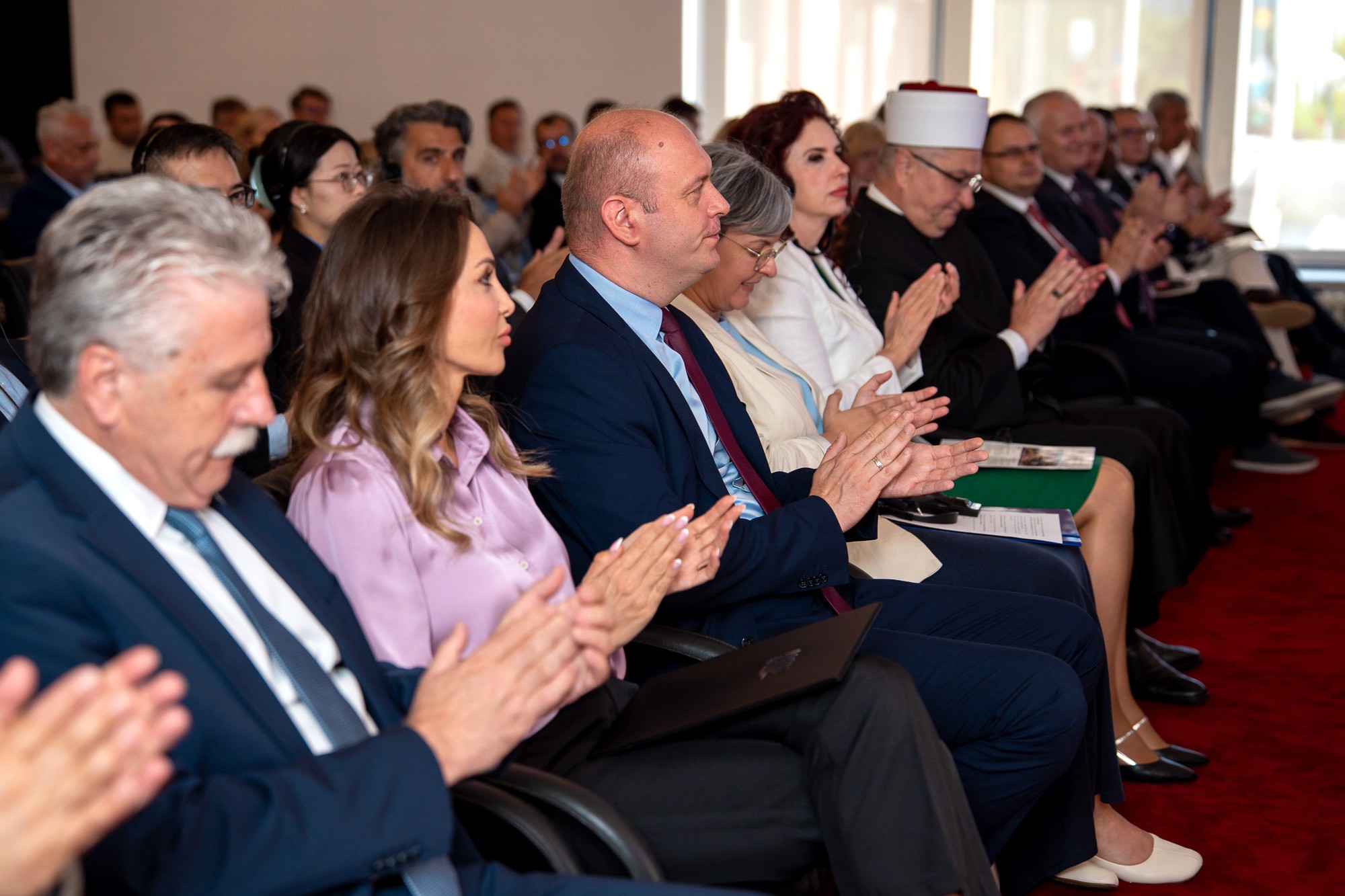
The Summit brought together Croatian and international experts from tourism, hospitality, gastronomy, certification systems and the business sector, with the aim of opening a dialogue on how Croatia can strengthen its position among the world's leading halal-friendly destinations. Halal Travel & Taste Summit was organised by LUX Promocija in co-operation with the Centre for Halal Quality Certification, while the hosts and patrons were the Islamic Community in Croatia, the Zagreb Islamic Community, the Ministry of Tourism and Sports of the Republic of Croatia, and the City of Zagreb.
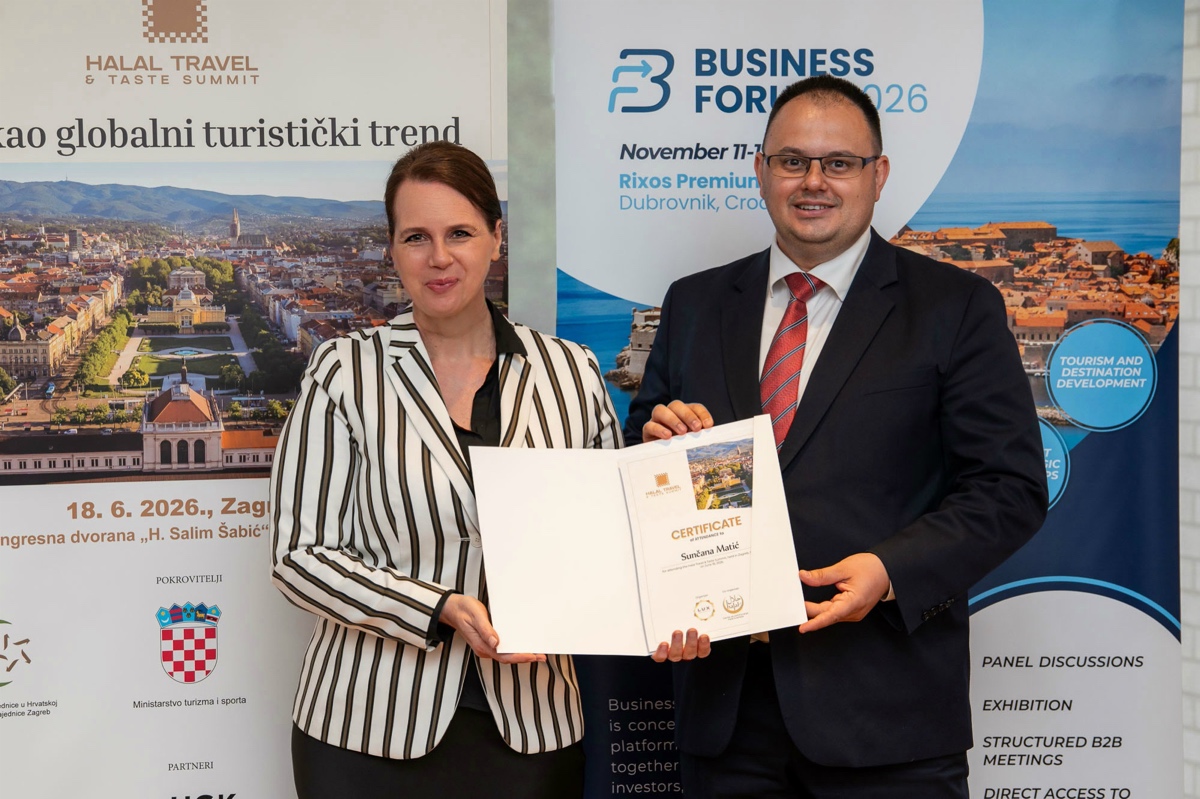
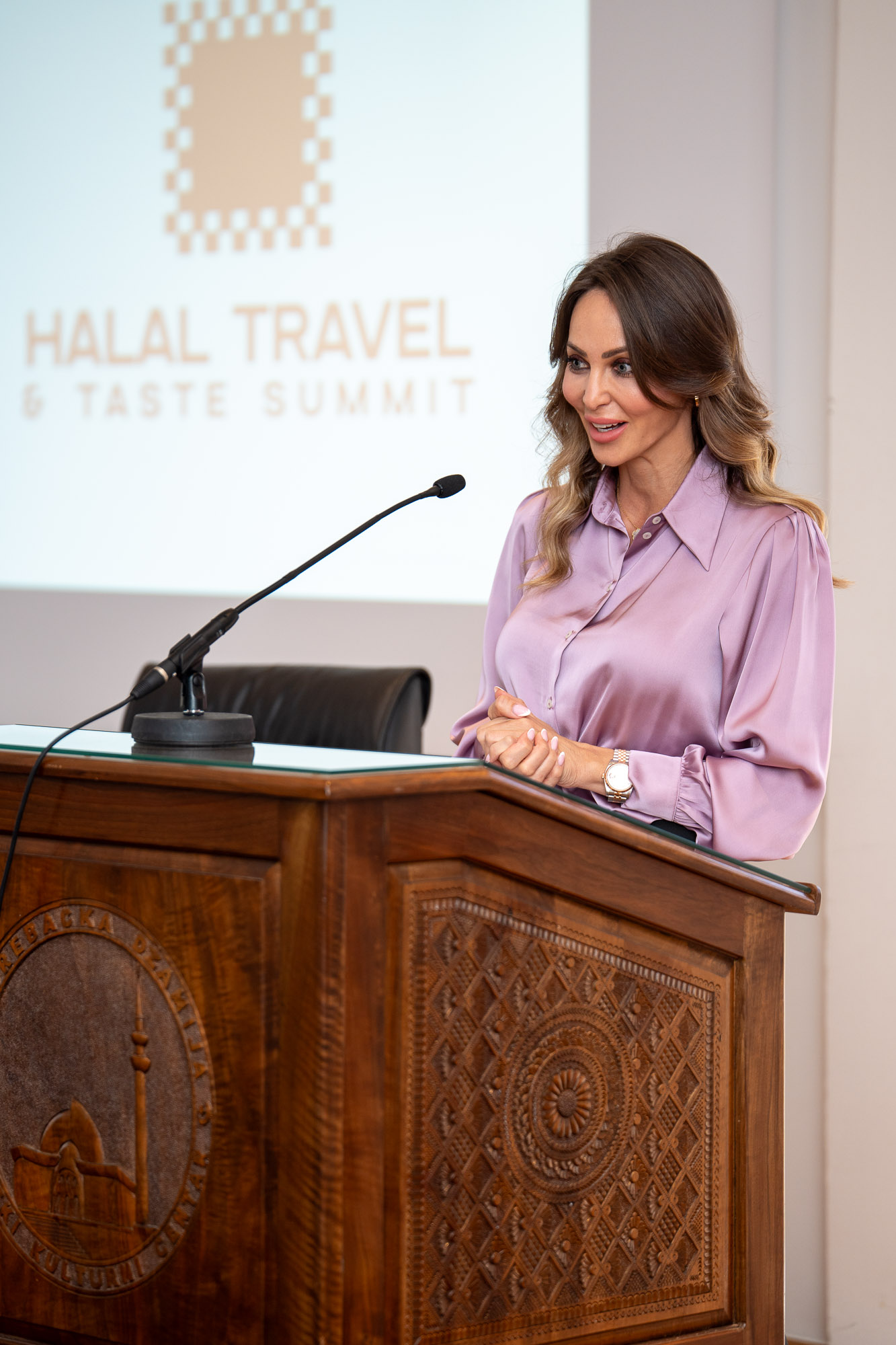
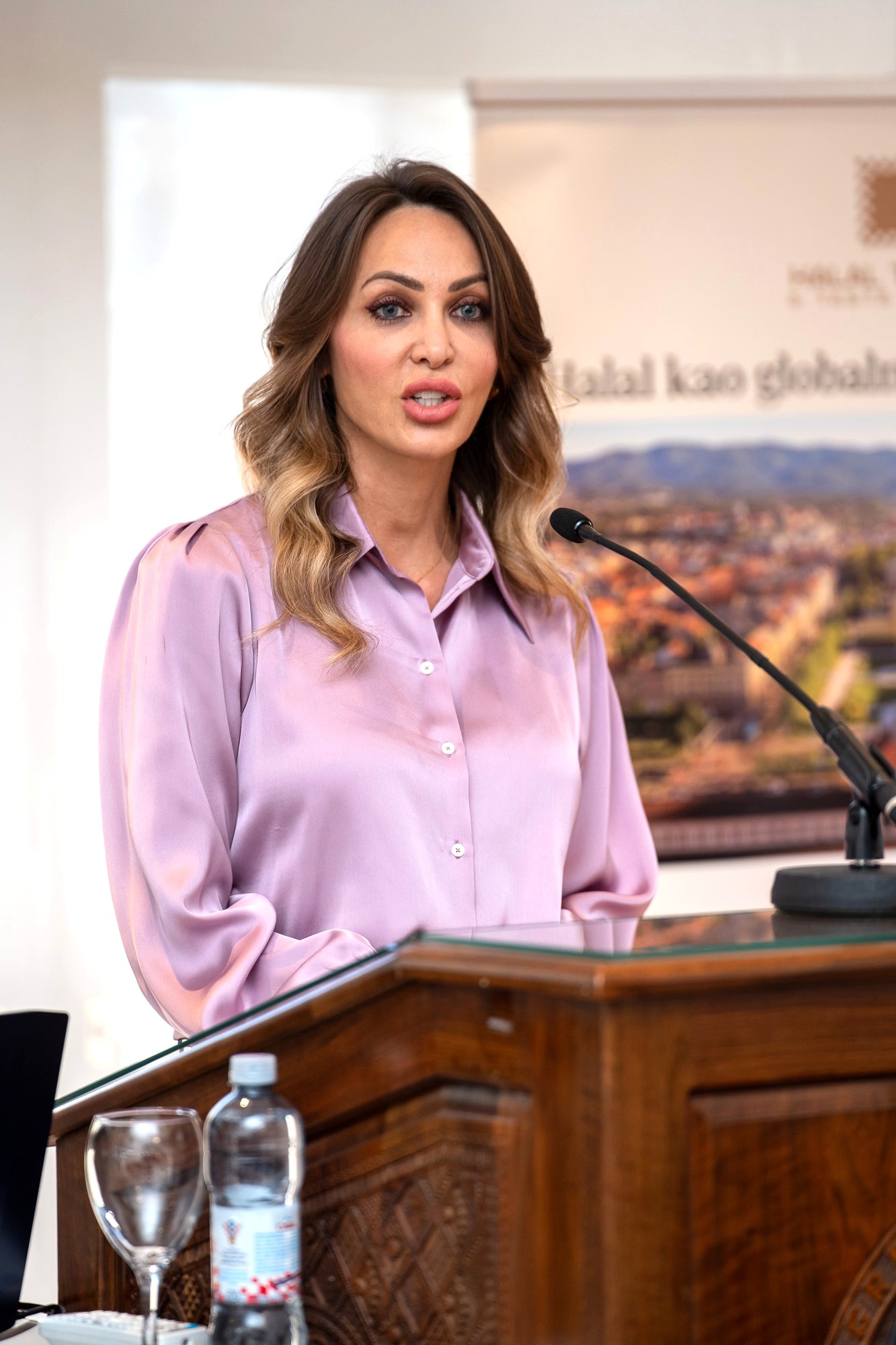
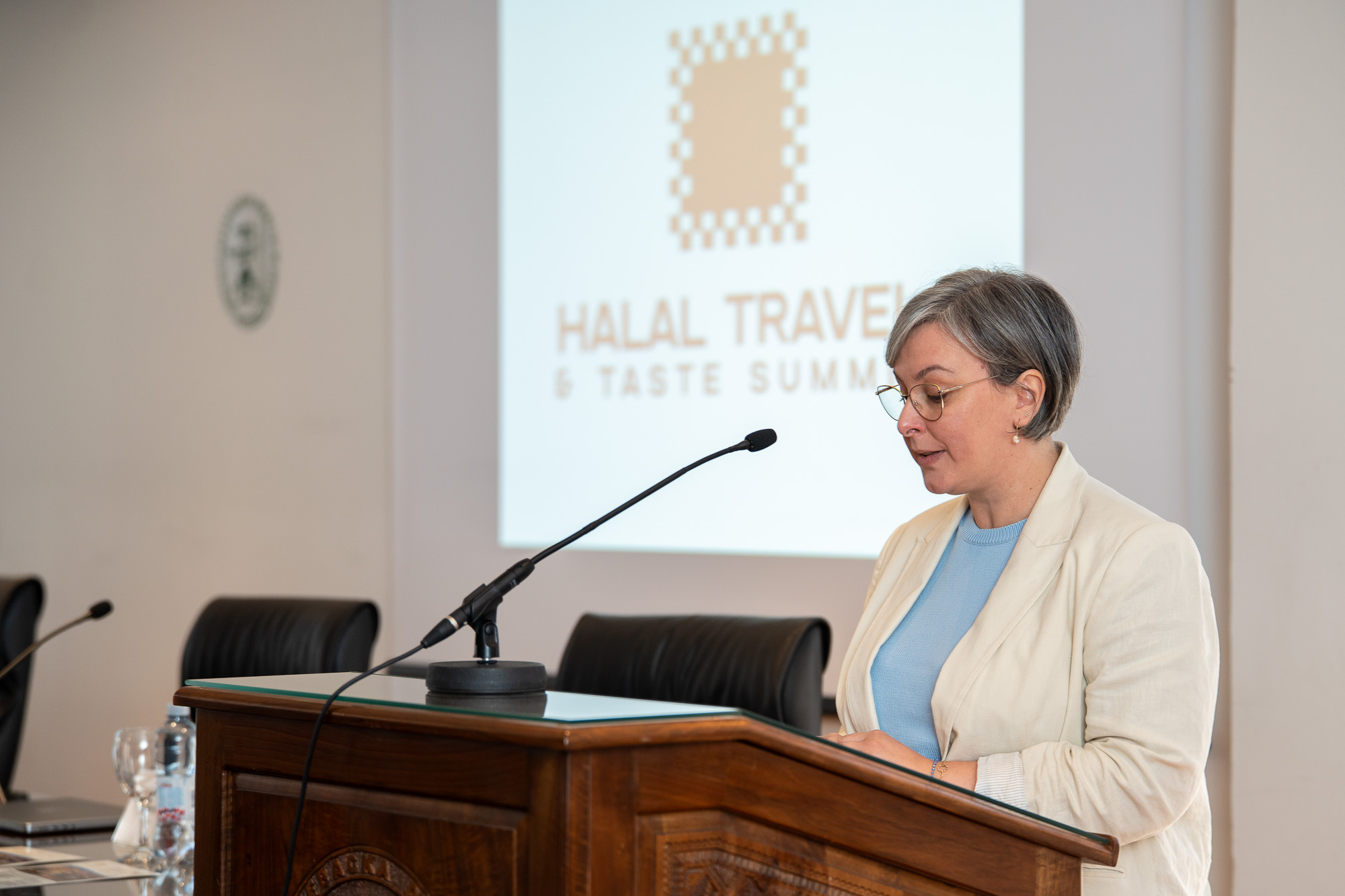
The programme was opened by the organiser, Sunčana Matić of LUX Promocija, who in her welcoming address emphasised that Croatian tourism is entering a new stage of development in which quality, sustainability, cultural sensitivity and mutual respect are becoming just as important as traditional tourism products. "Through the Halal Travel & Taste Summit in Zagreb, we are creating a platform for shaping the future. Halal tourism is one of the fastest-growing segments of the global tourism industry and is increasingly recognised as an indicator of quality, health, safety, trust and inclusiveness," Matić said. She highlighted that the Halal Travel & Taste Summit represents a natural continuation of LUX Promocija's long-standing work in developing specialised forms of tourism, particularly religious tourism, its longstanding co-operation with the Centre for Halal Quality Certification, and its efforts to promote the valorisation of cultural and historical heritage through tourism. She emphasised that Croatia now has the knowledge, experience and institutional framework needed to develop tourism products capable of responding to the needs of contemporary international markets, while halal tourism offers added value and a new perspective for the tourism industry.
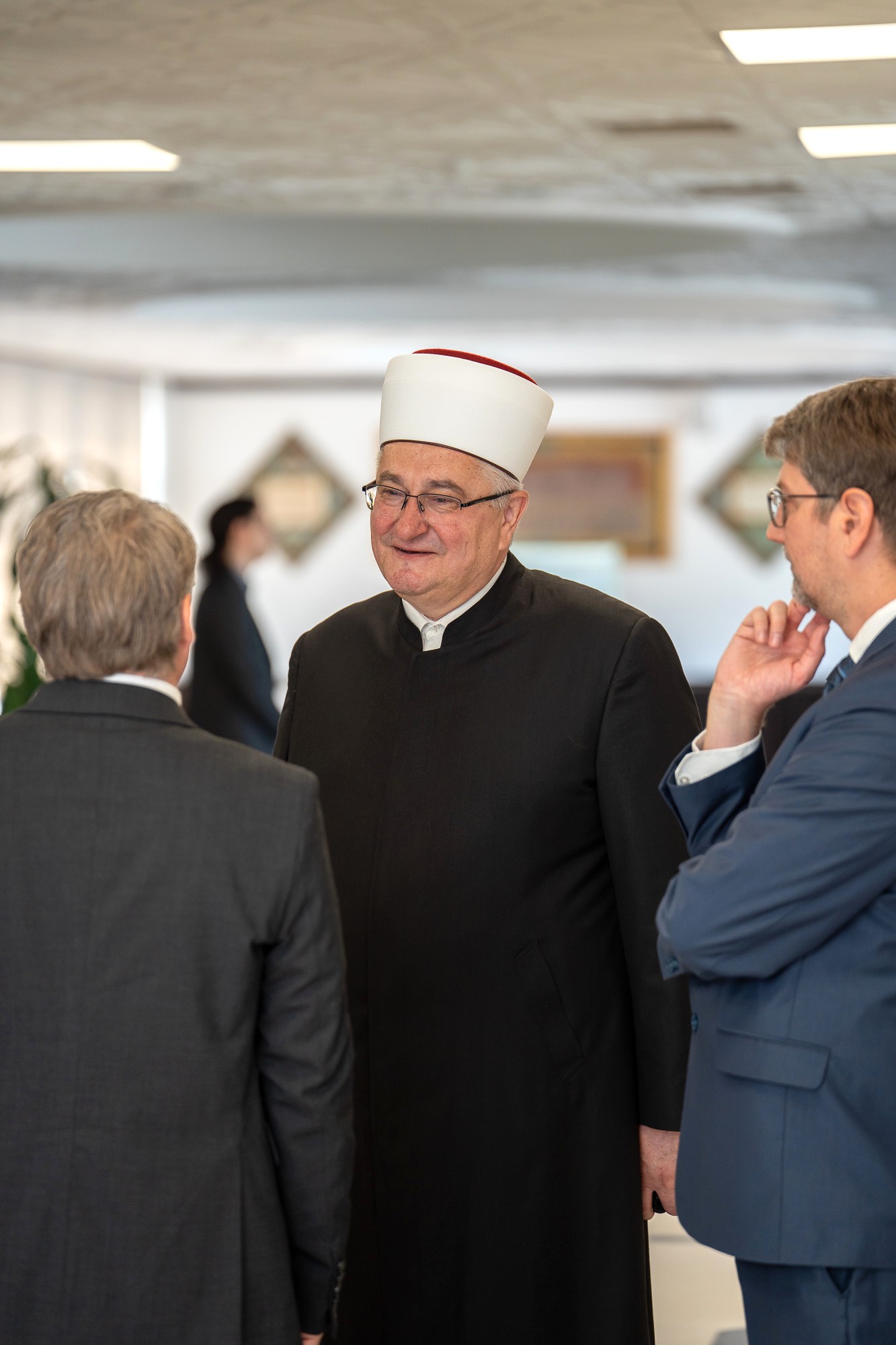
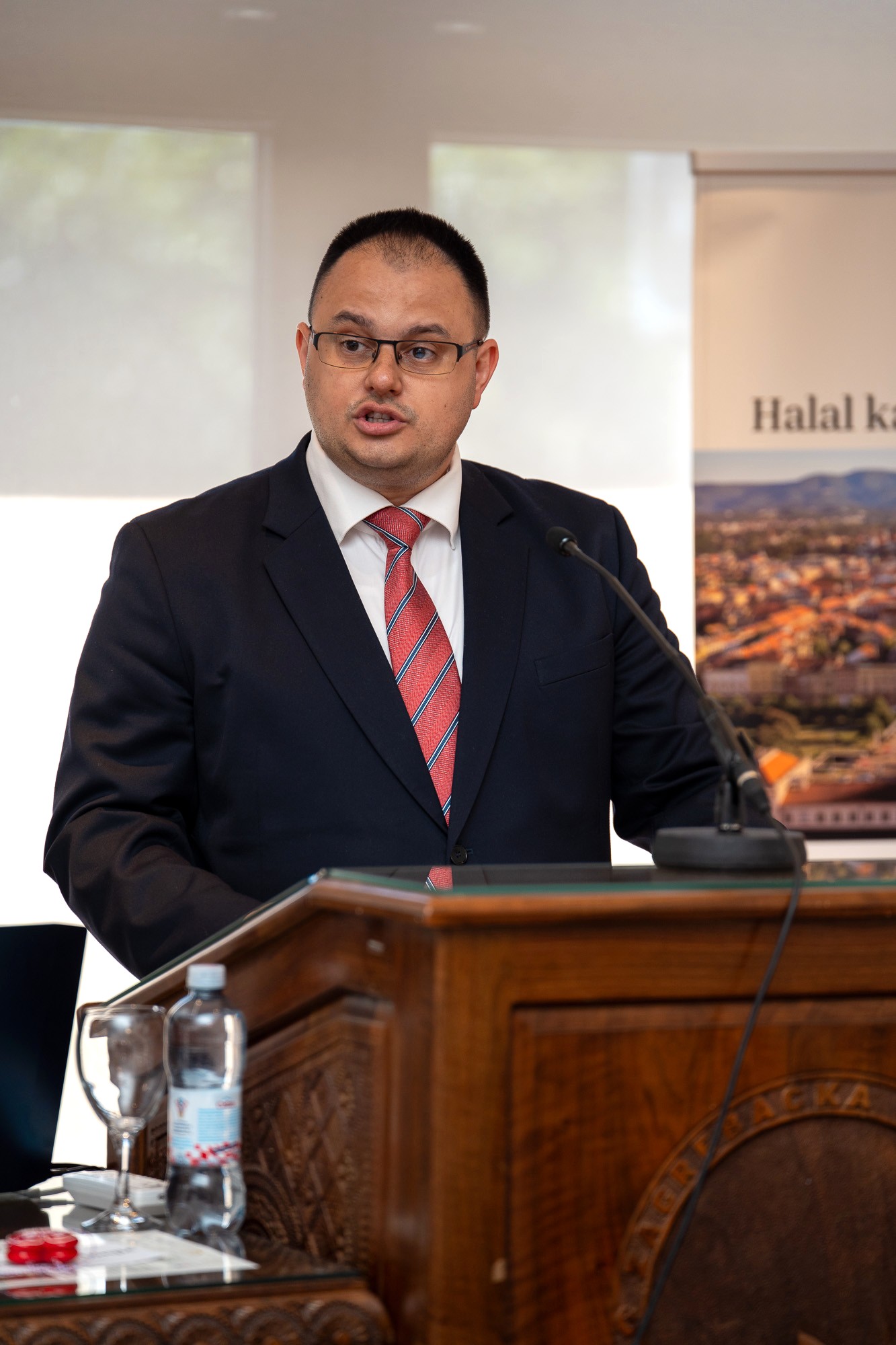
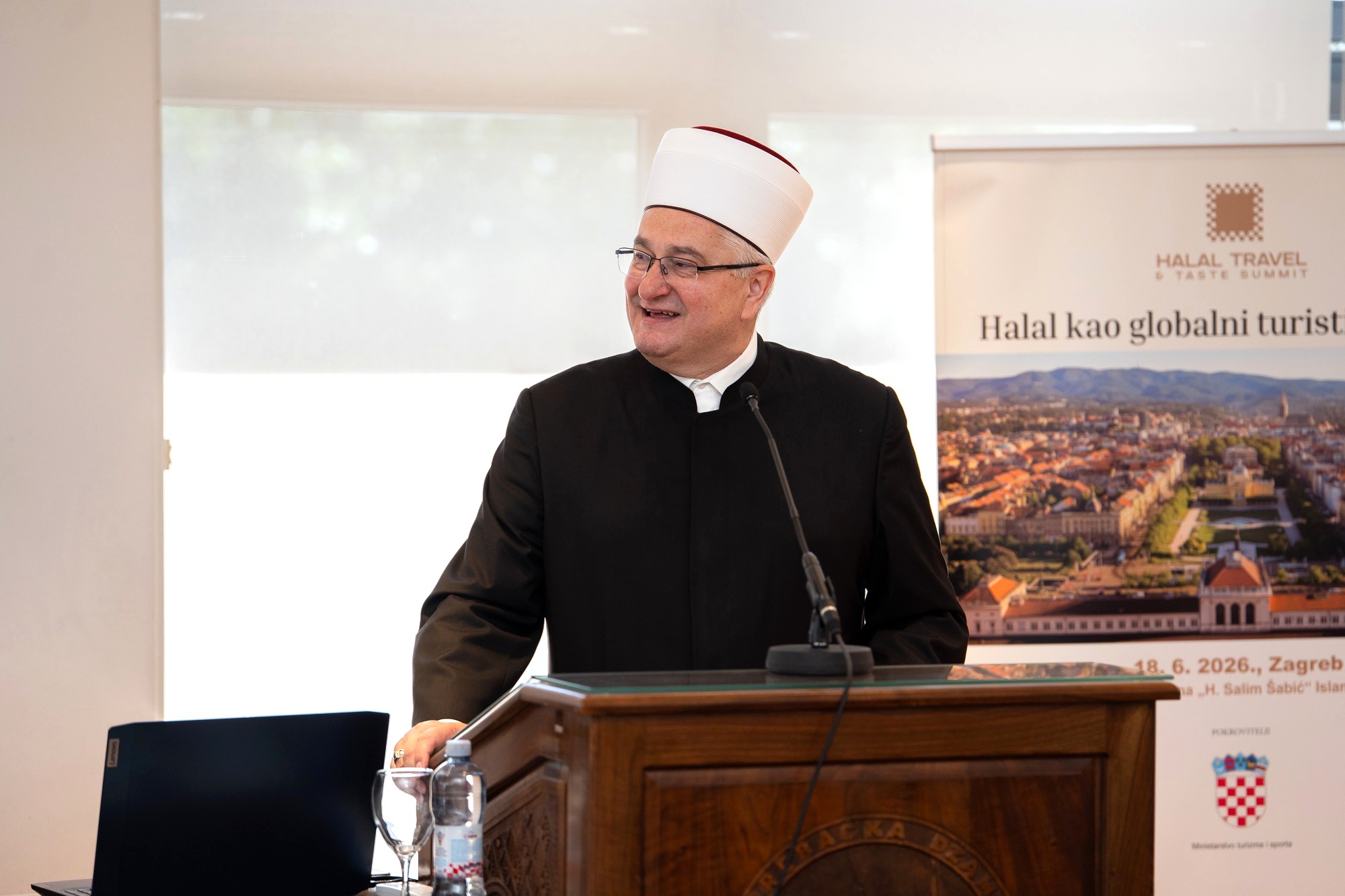
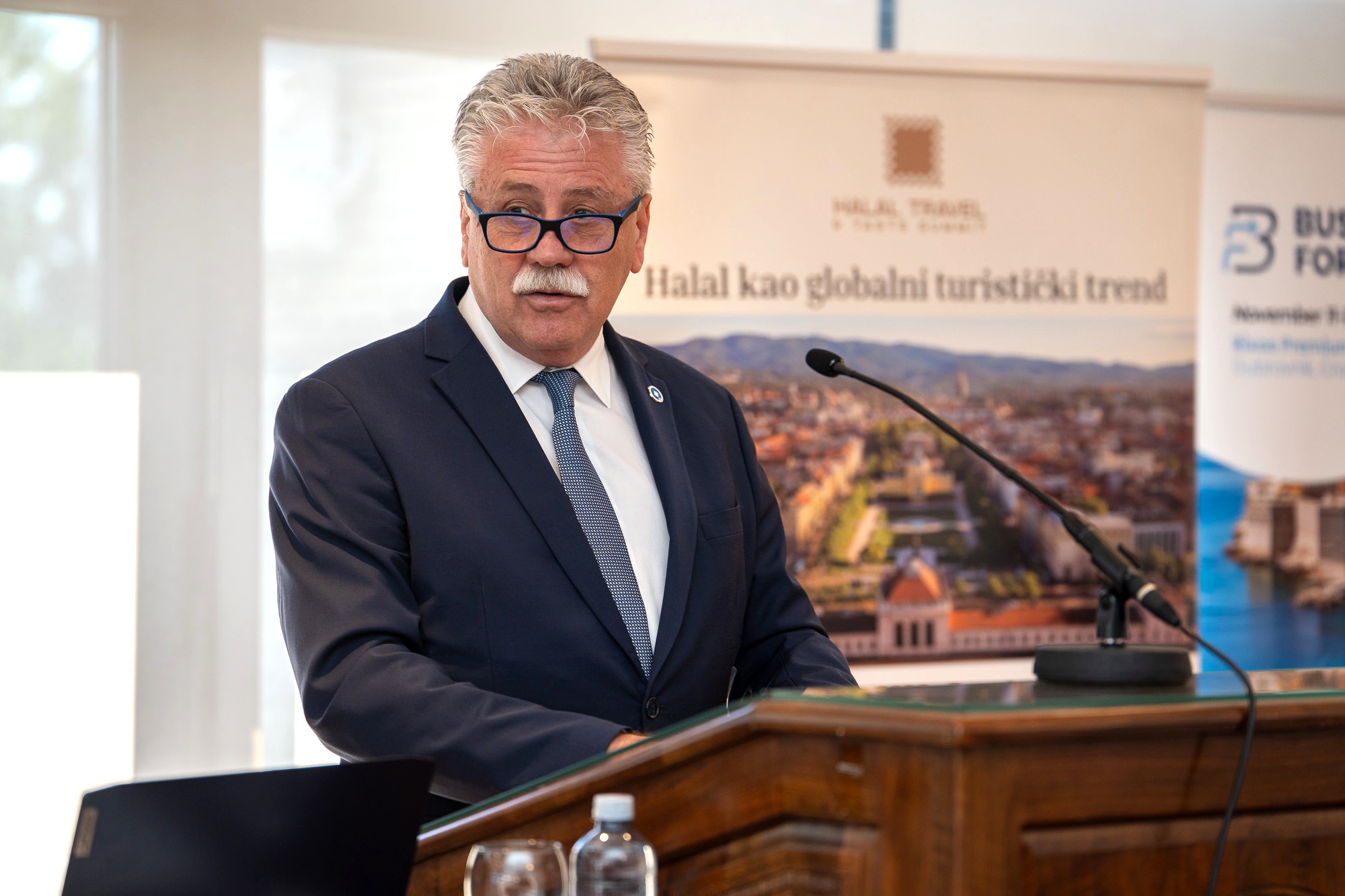
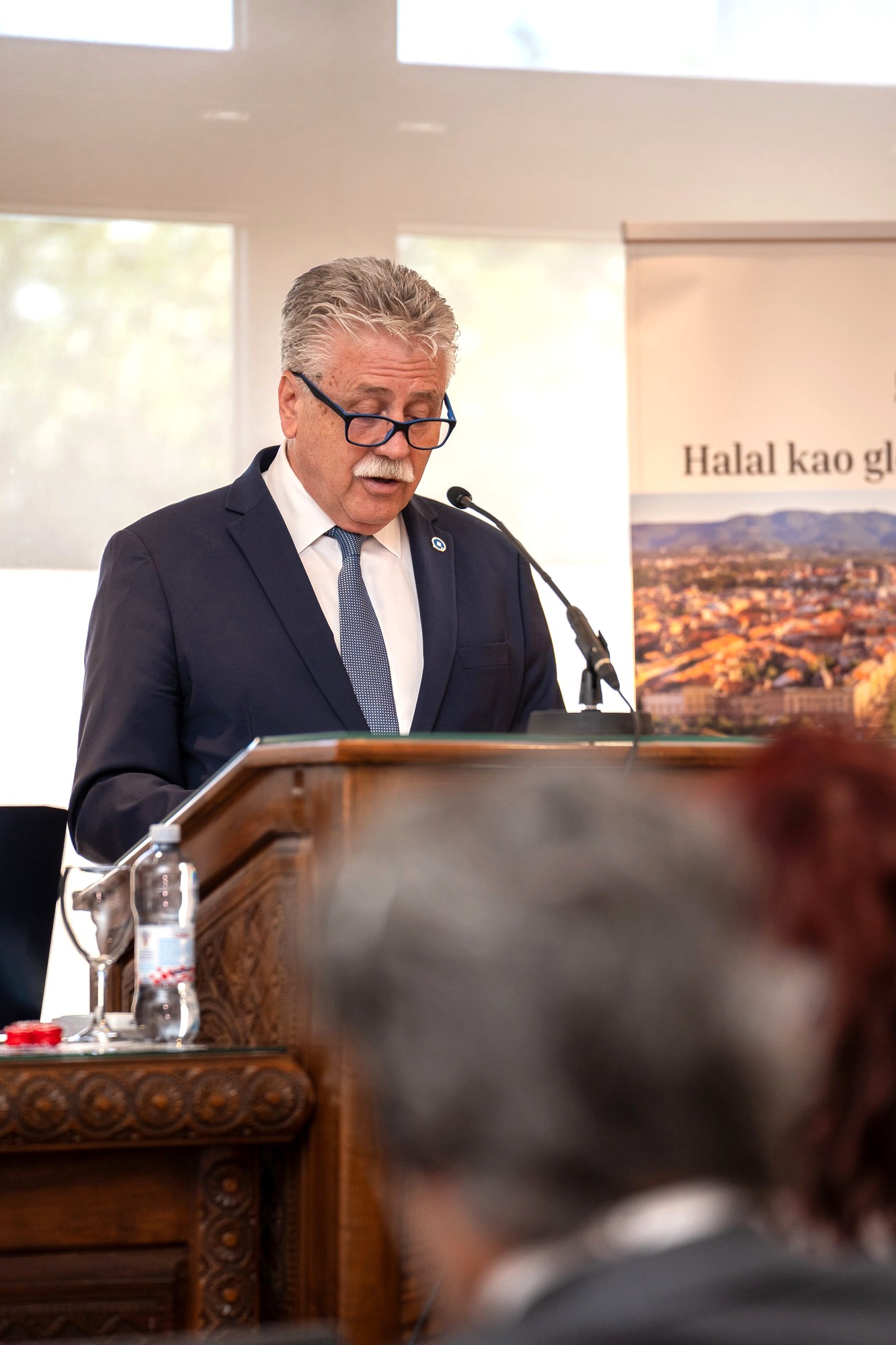
The event gained particular significance and strategic importance from the contributions of its hosts, whose addresses strongly focused the discussion on a long-term vision for the development of Croatian tourism and the economy. The President of the Meshihat of the Islamic Community in Croatia, Grand Mufti Academician Dr Aziz ef. Hasanović, emphasised in his keynote address that holding the first Halal Travel & Taste Summit represents an important step forward not only for Croatian tourism and entrepreneurship, but also for international economic co-operation. Speaking about the importance of connecting different markets, institutions and business partners, he noted that modern tourism is no longer simply about destinations, but about building relationships based on trust, mutual understanding and long-term co-operation. He said that events such as this create opportunities for new investments, stronger international partnerships and closer economic ties between Croatia and global markets. He stressed that Croatia's geographical position, safety, cultural diversity and high-quality tourism infrastructure provide excellent conditions for strengthening its position in the rapidly growing global halal market.
Equally strong was the message delivered by Nermin ef. Botonjić, President of the Zagreb Islamic Community and Assistant to the President of the Meshihat for Process Management, who recalled that the Zagreb Islamic Centre has, since its establishment, served as a meeting place for ideas, expert analysis and social dialogue. Speaking about rapid global change and the transformation of the tourism market, he emphasised that halal today represents much more than a food or certification standard and is increasingly becoming a symbol of quality, safety and added value. He concluded that, particularly in times of profound change, it is important to recognise new opportunities and development models and to consider halal as a tool that can further strengthen the competitiveness of Croatian tourism and the economy in international markets.
Muhamed Mandžić, Head of the Centre for Halal Quality Certification, emphasised that Croatia has very strong foundations for strengthening its position in this market. "We are talking about a market that is experiencing continuous growth and represents a significant opportunity for tourism destinations around the world. Croatia has high-quality tourism infrastructure, a rich gastronomic offering and a well-developed halal certification system, providing a solid foundation for further development of this segment of tourism. The key message of the Summit is that halal means trust, and trust is the foundation of every successful tourism experience," said Mandžić.
Support for the development of halal tourism was also expressed by representatives of key business and institutional partners. Joso Smolić, Vice President of the Croatian Chamber of Trades and Crafts, emphasised the importance of involving small and medium-sized enterprises and craftspeople in the development of new tourism markets and specialised tourism products, noting that quality, authenticity and local production represent some of the greatest strengths of Croatia's tourism offering. Andreja Vukojević, Vice President of the Croatian Chamber of Economy, spoke about the importance of connecting the business community, the tourism sector and international partners, as well as the need to identify new market opportunities that can create space for additional economic growth and investment. Ivana Novak of the City of Zagreb's Office for Economy, Ecological Sustainability and Strategic Planning, representing the Mayor of Zagreb, highlighted that Zagreb is continuously developing as an open and inclusive European capital which, through new tourism initiatives, seeks to further strengthen its international identity and attract high-value markets.
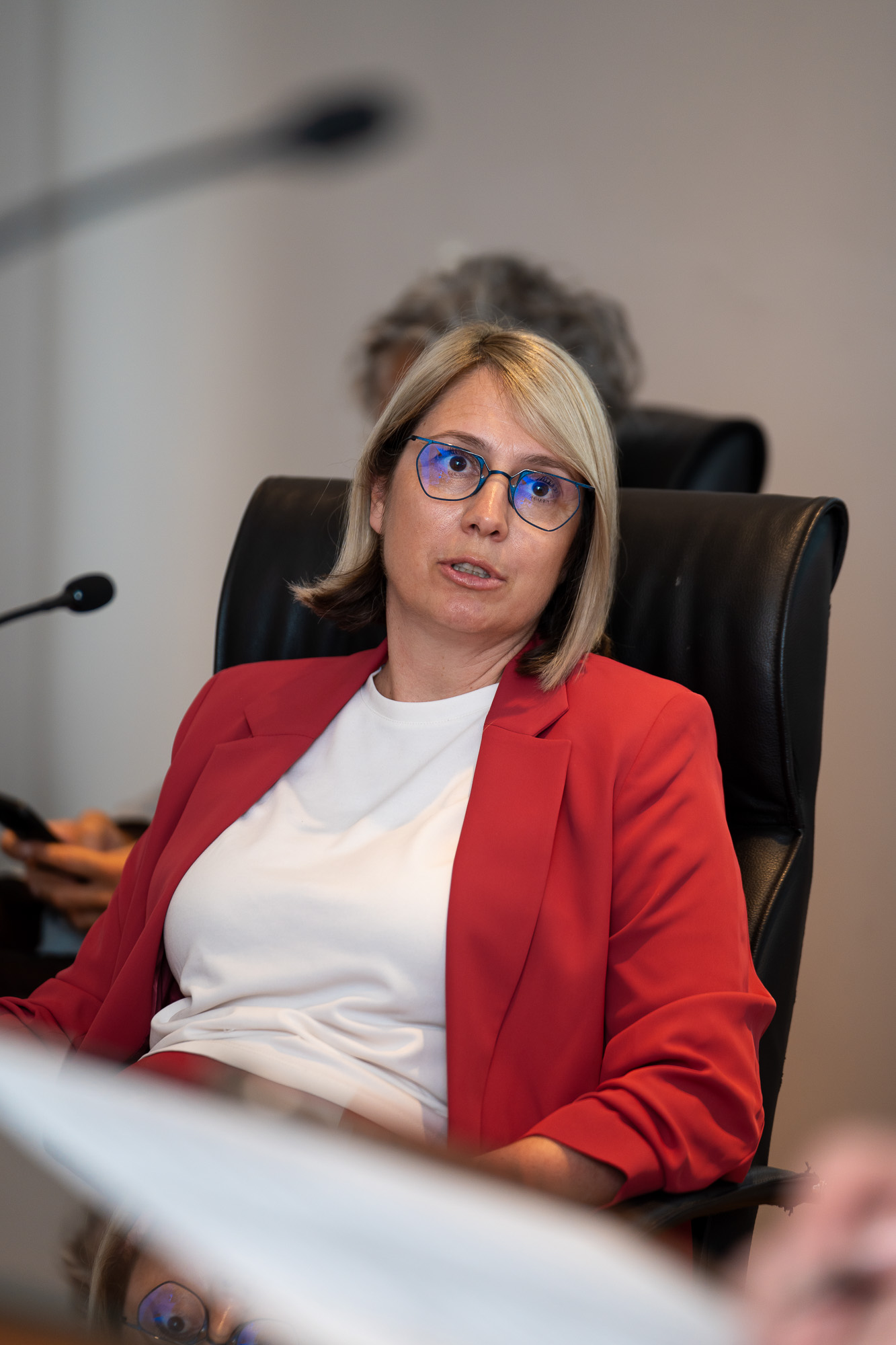
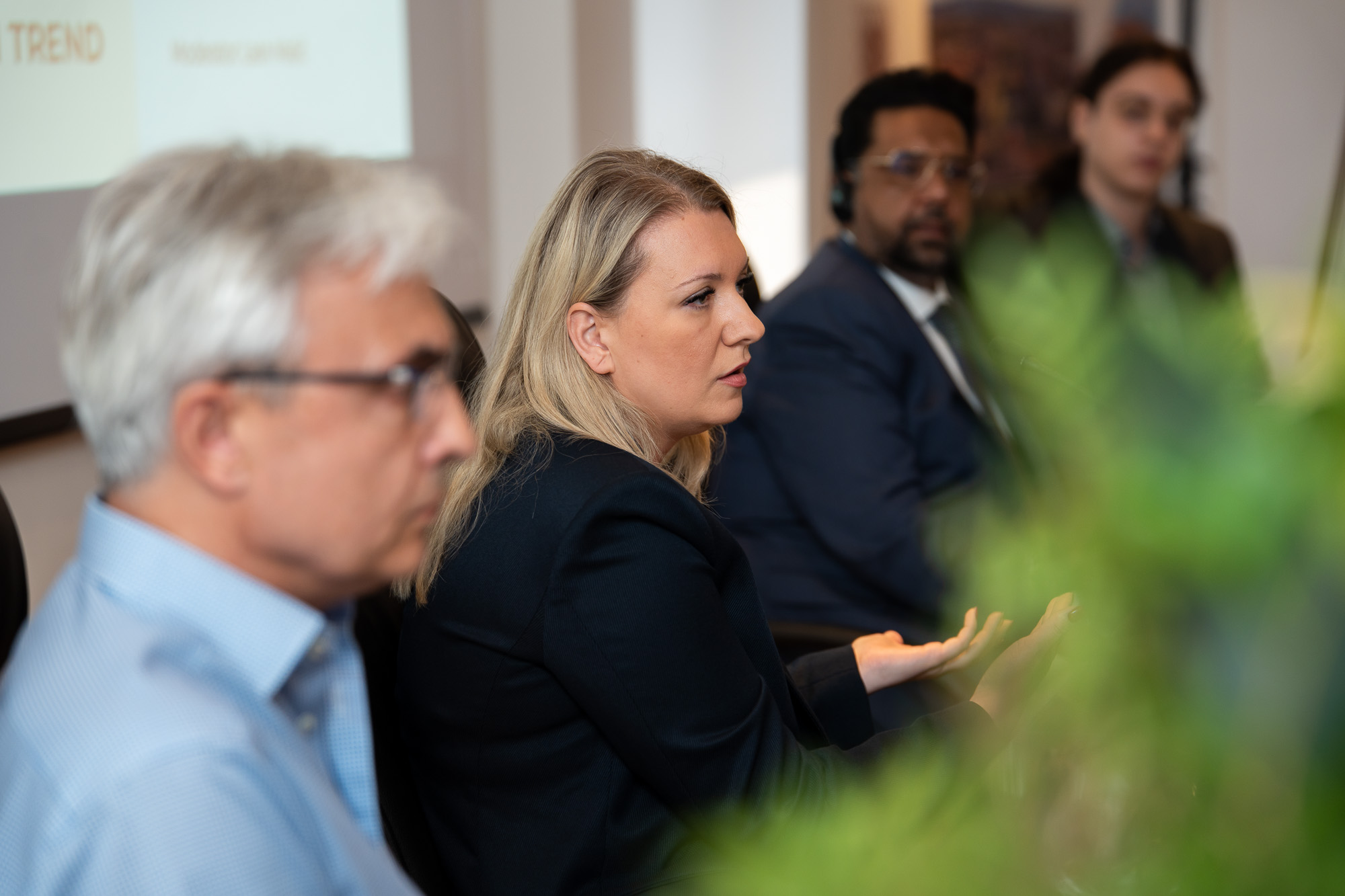
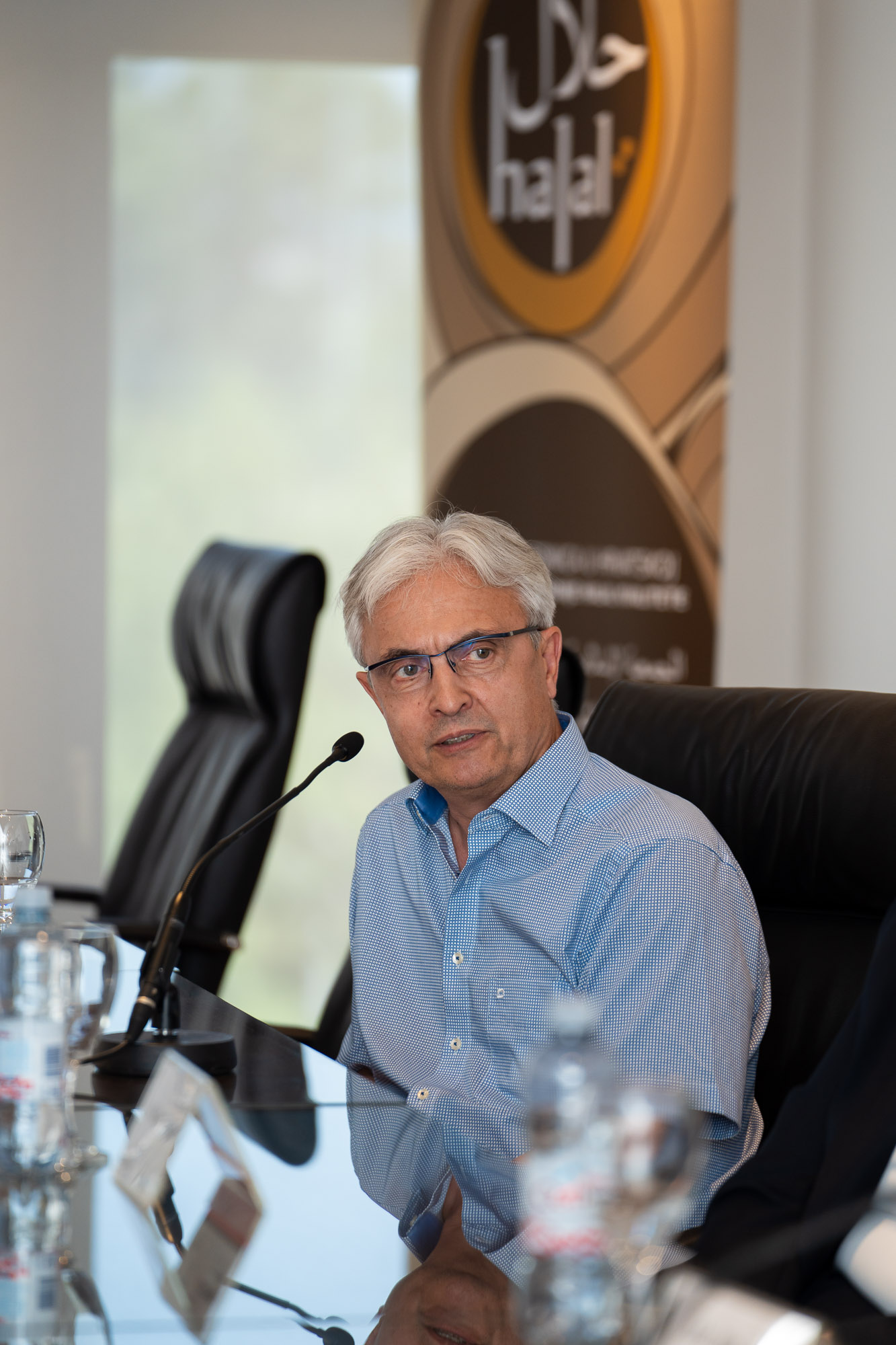
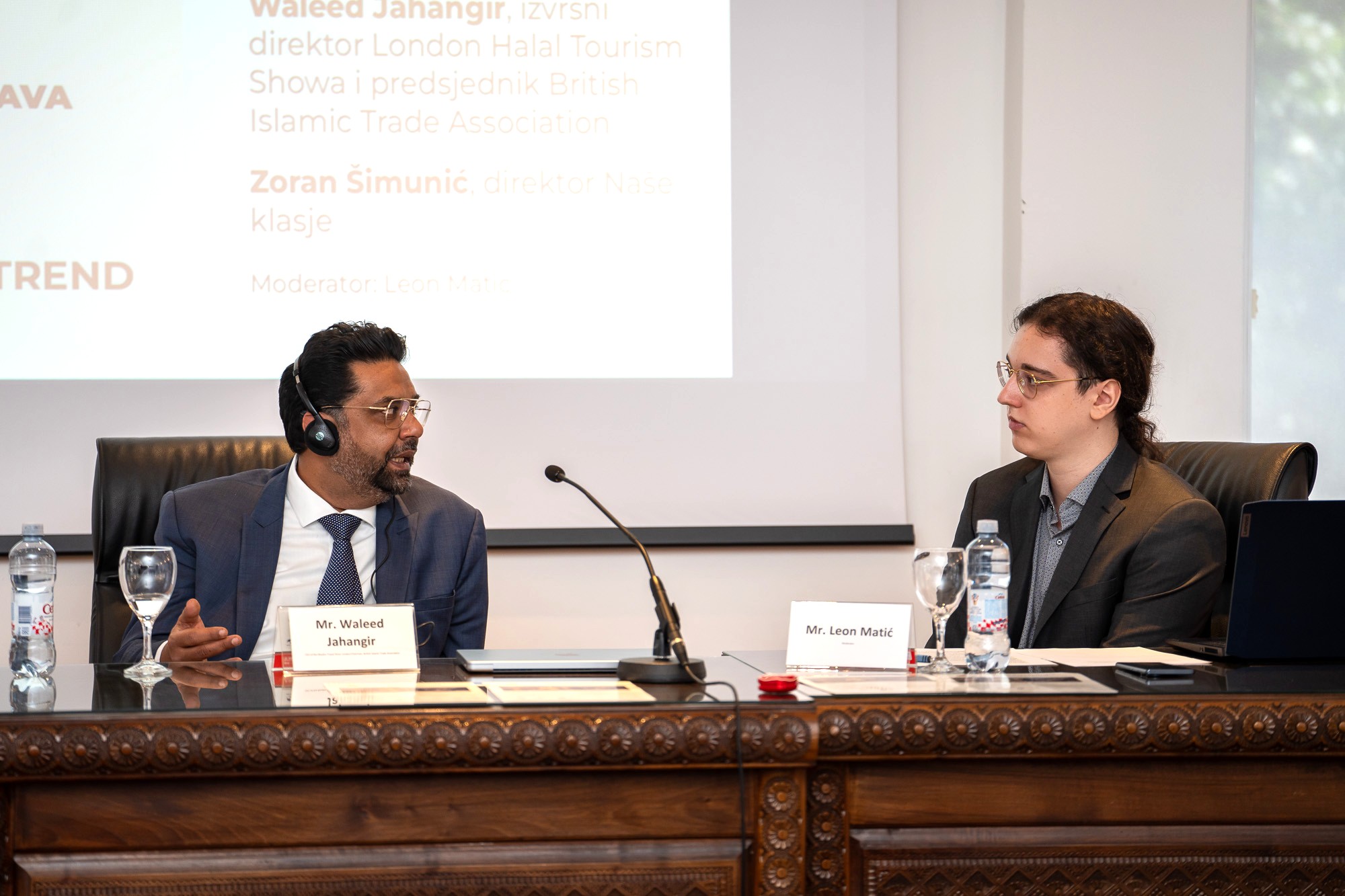
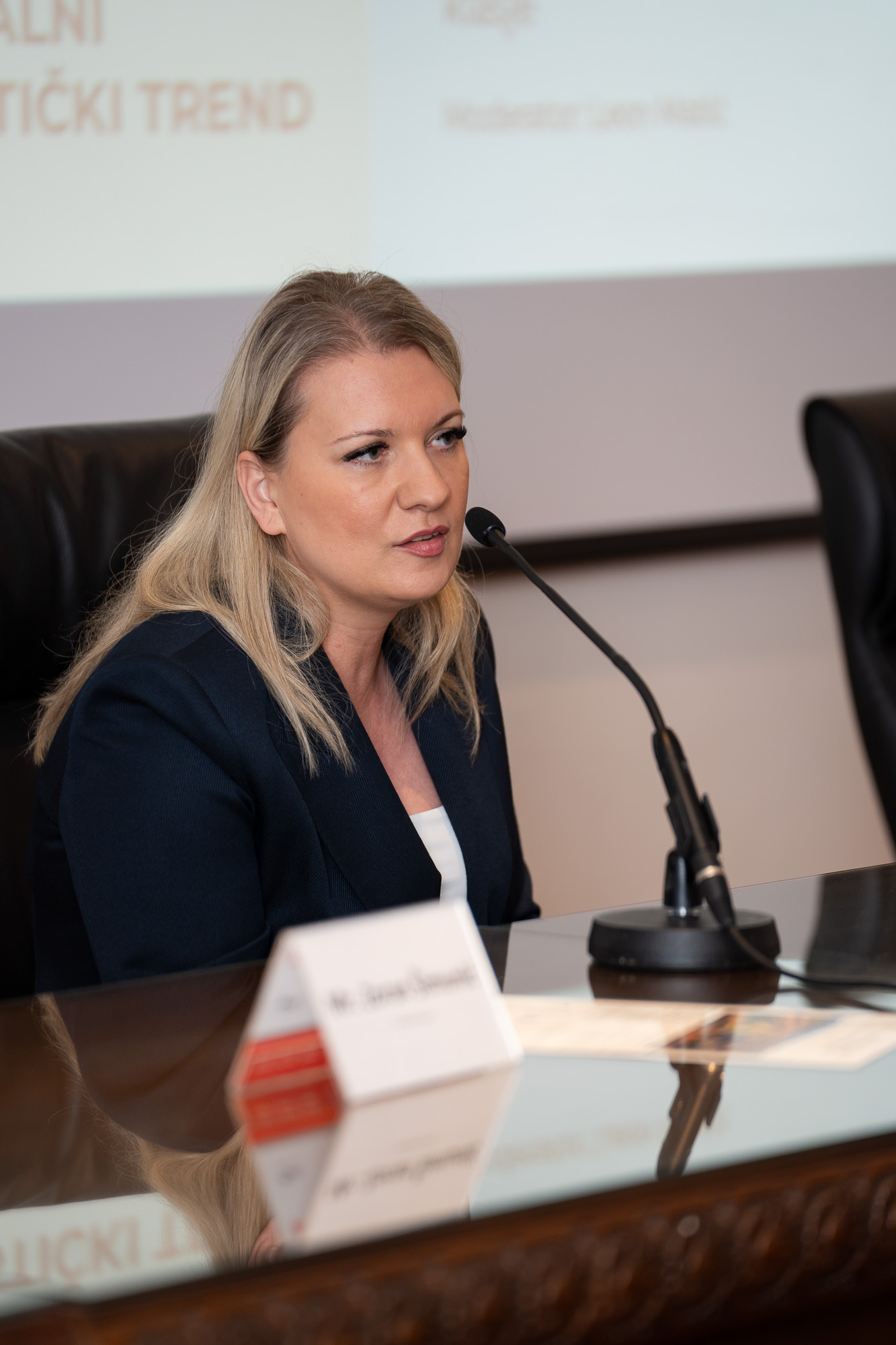
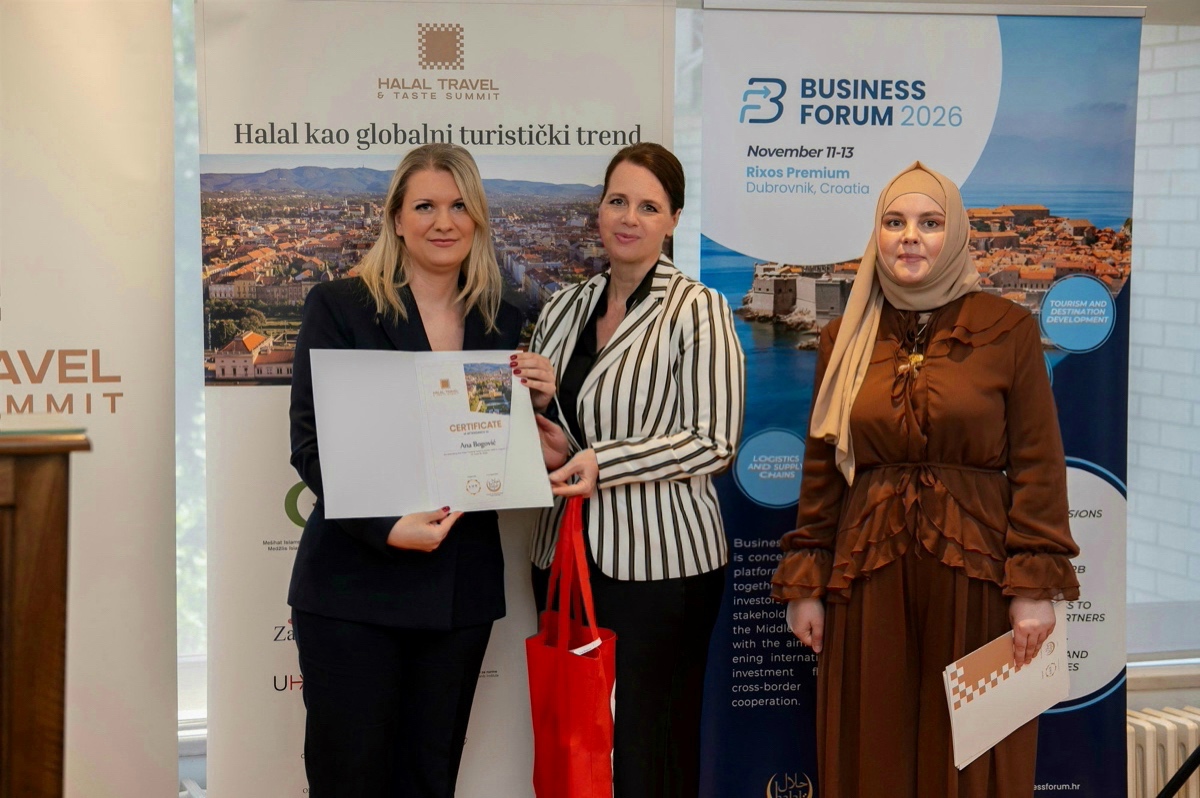
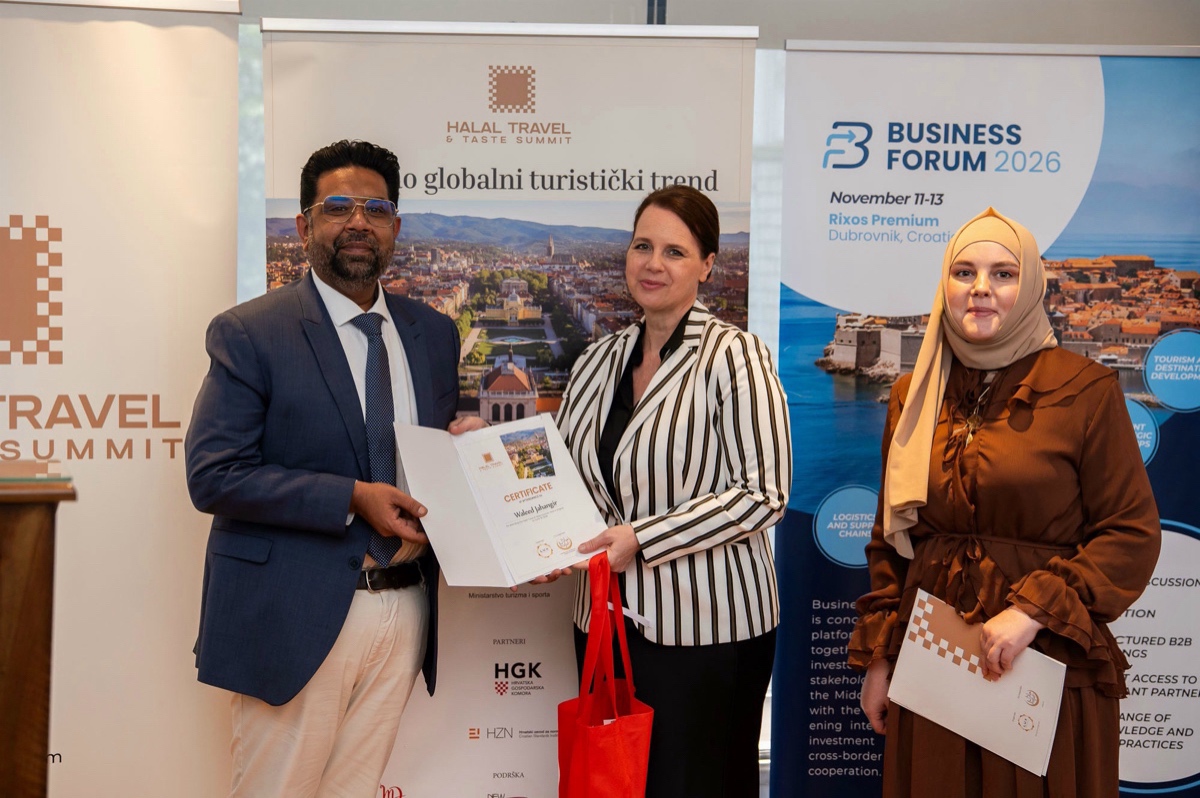
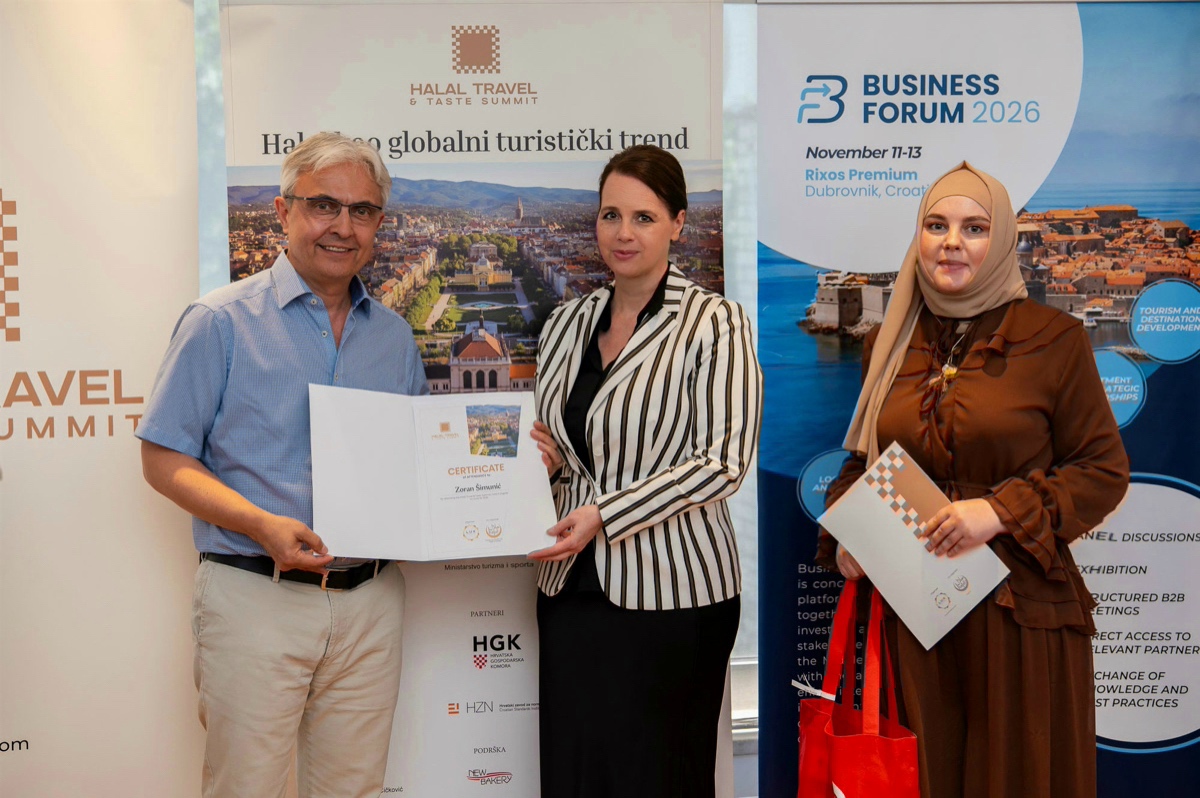
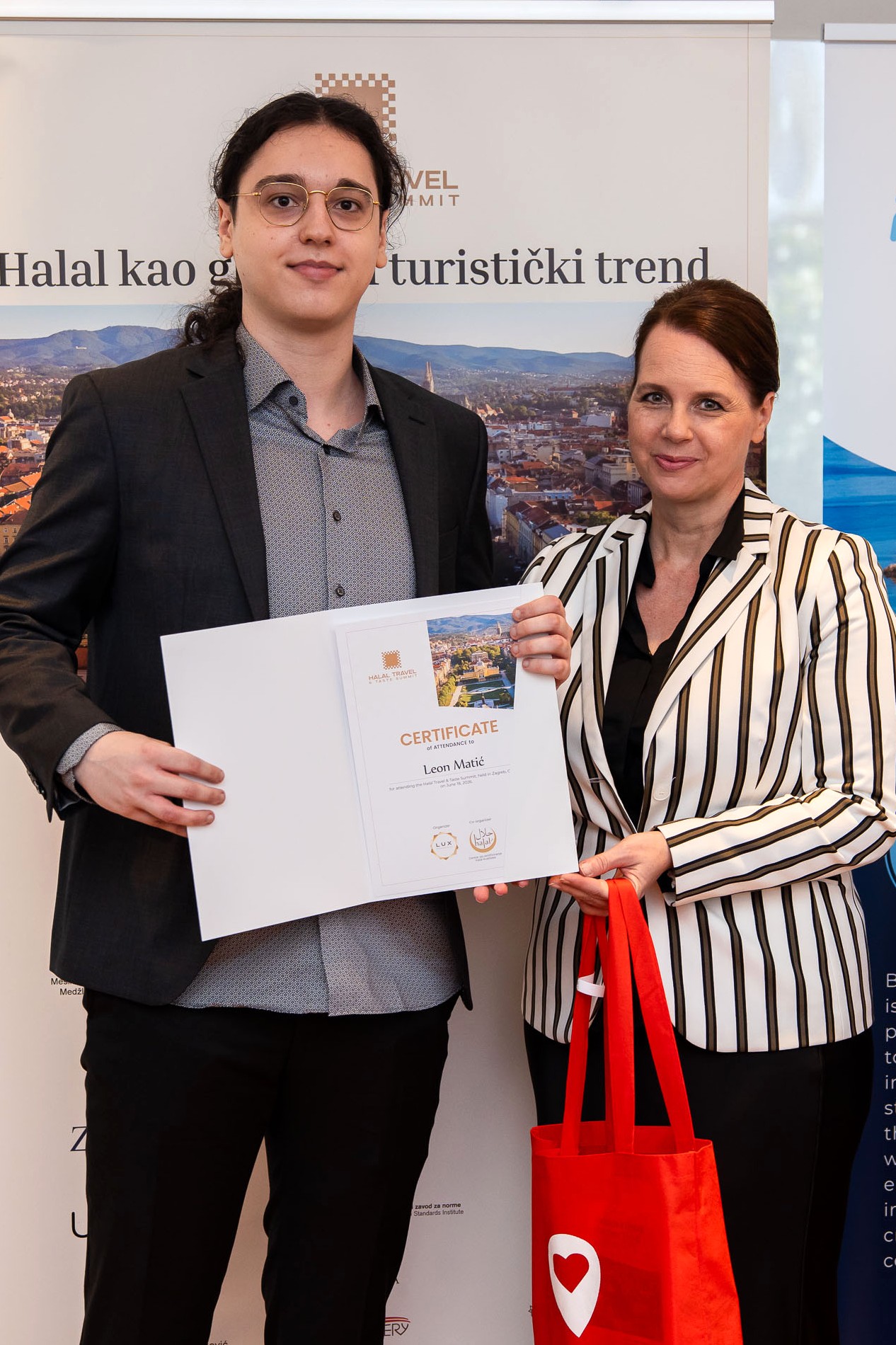
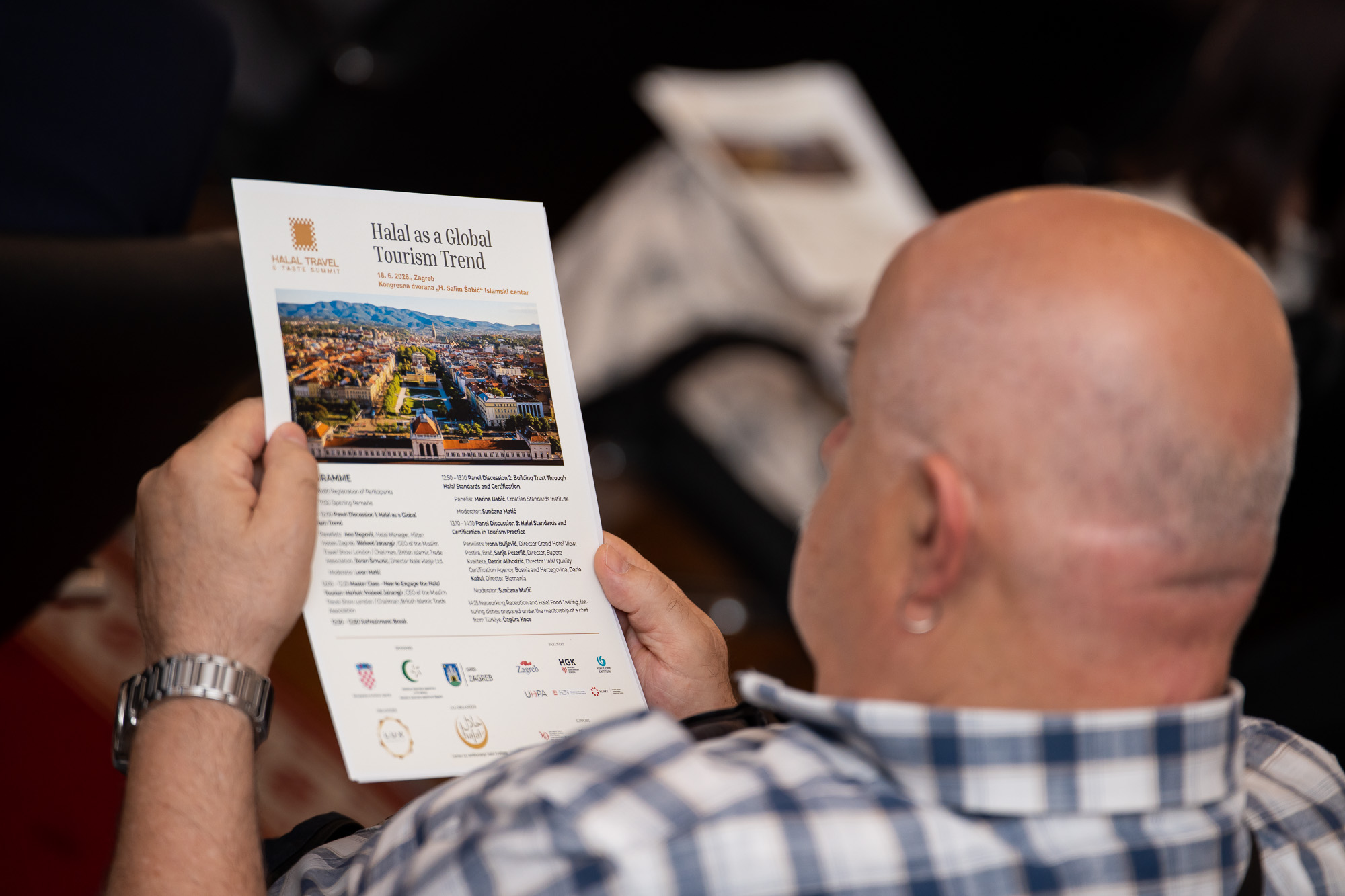
The Summit programme was designed to provide an overview of global trends, market potential and practical business experience. The first panel discussion, entitled "Halal as a Global Tourism Trend", explored the development of new tourism models and market opportunities. Panellists included Ana Bogović, Hotel Manager at Hilton Hotels Zagreb; Waleed Jahangir, CEO of the London Halal Tourism Show and President of the British Islamic Trade Association; and Zoran Šimunić, Director of Naše klasje. The panel was moderated by Leon Matić.
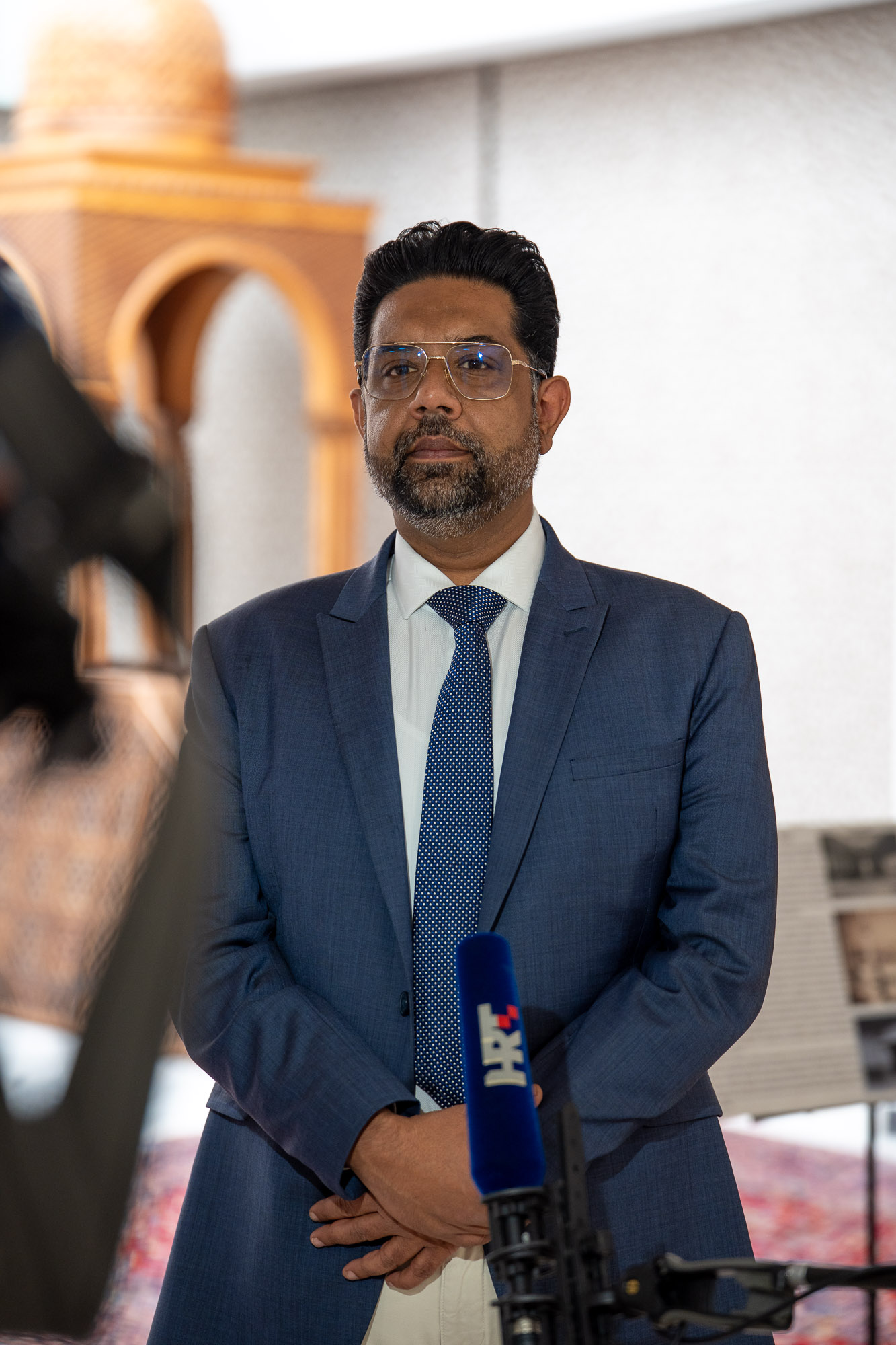
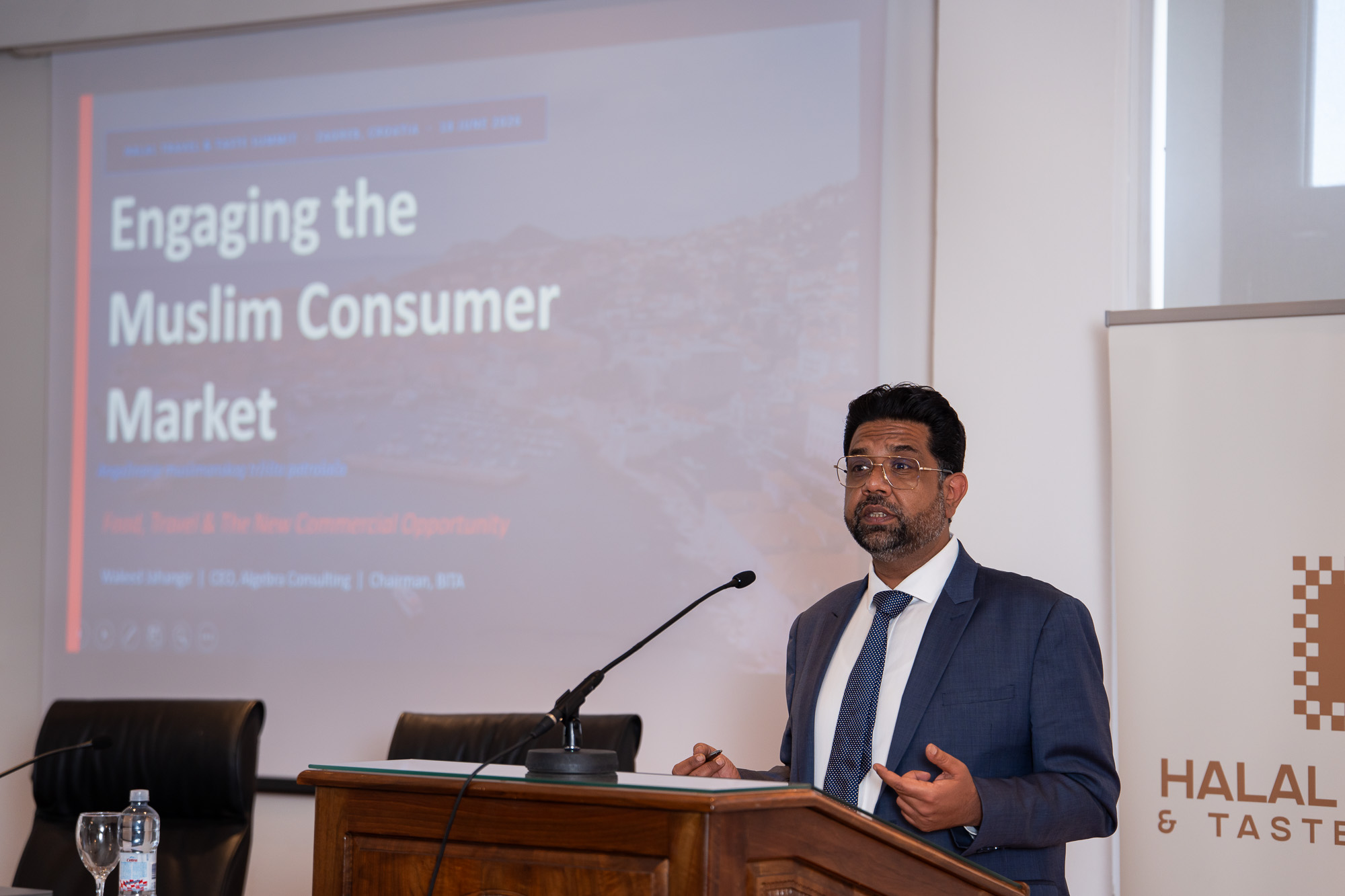
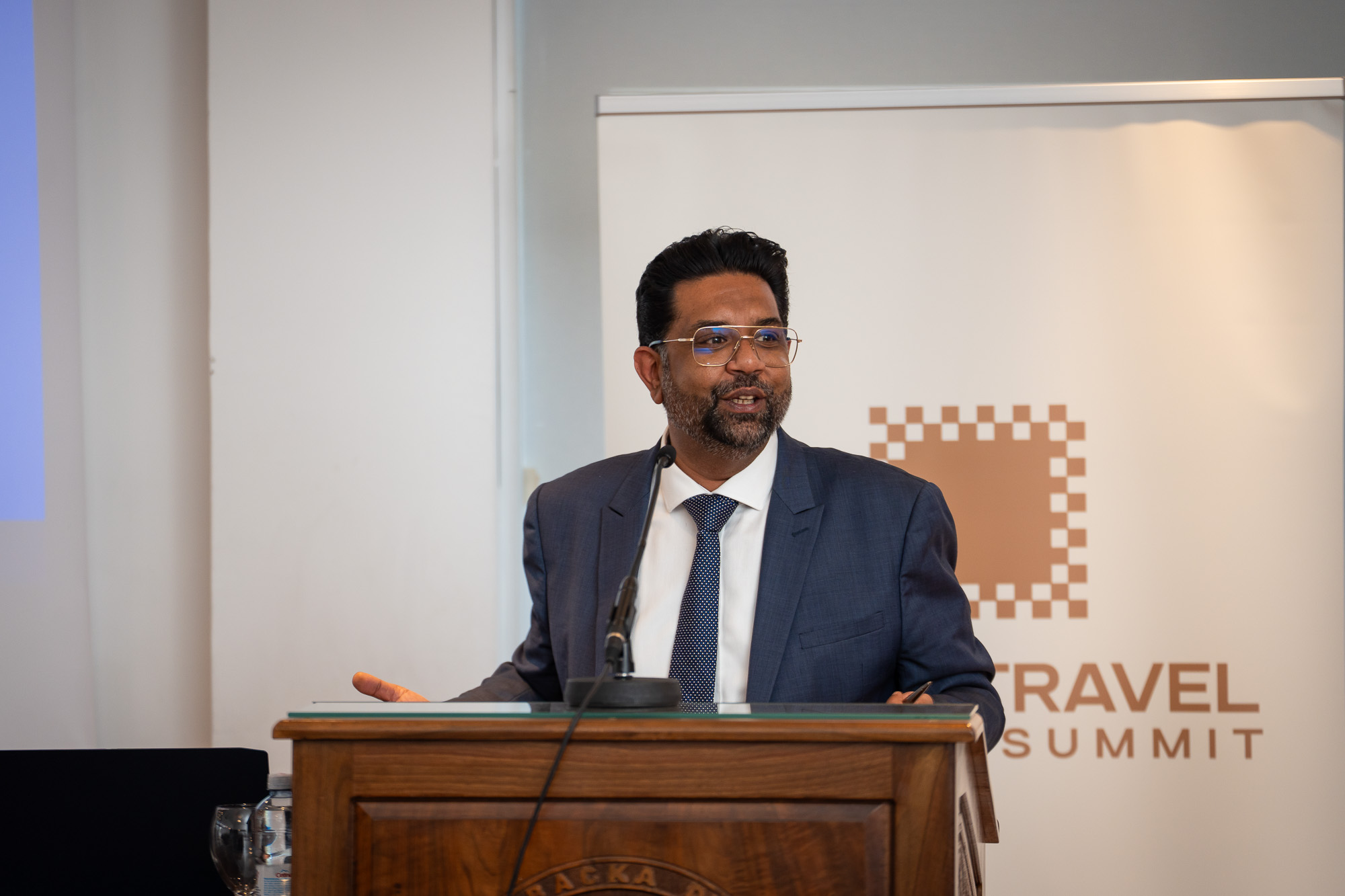
The international perspective was further enriched by Waleed Jahangir, one of Europe's prominent Muslim business and tourism figures, who delivered an engaging Masterclass on opportunities for Croatia to enter the growing halal tourism market. He stated that Croatia could soon become a major halal tourism success story and attract a significant market beyond the main summer season, emphasising the need to prepare and educate the tourism sector and to further promote Croatia as a halal-friendly destination.
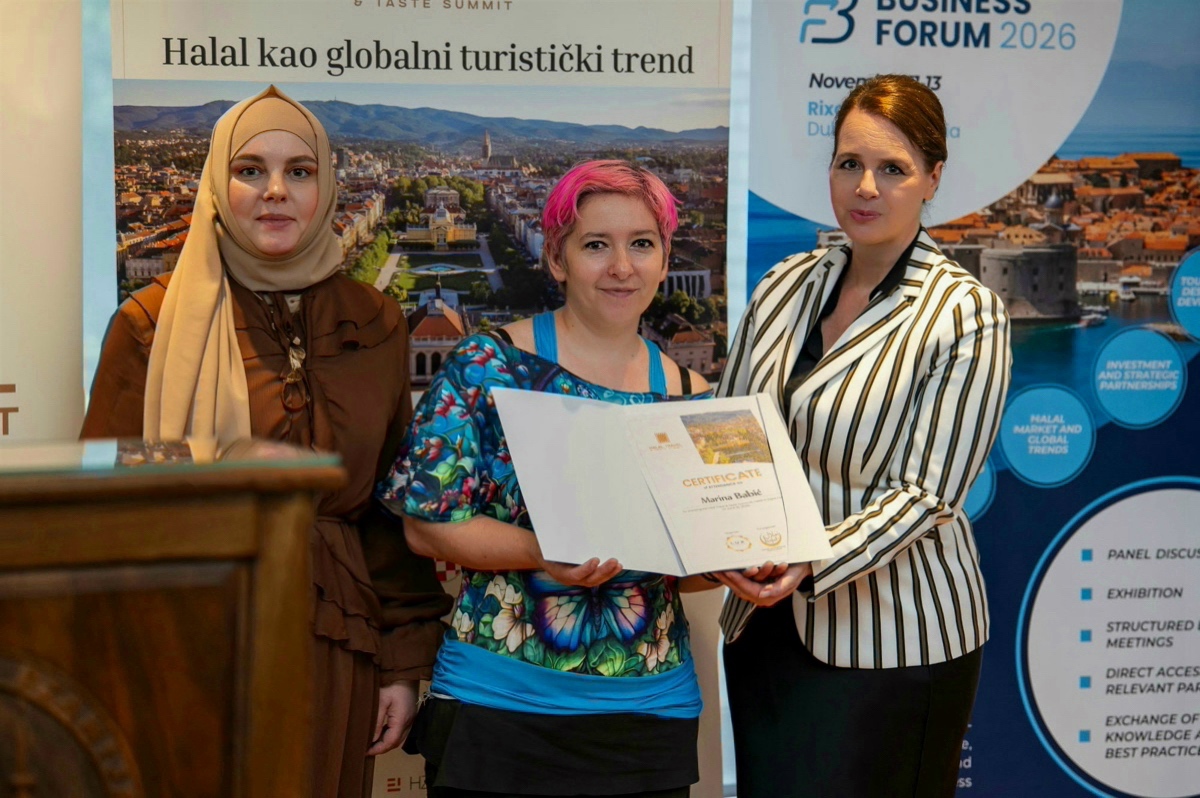
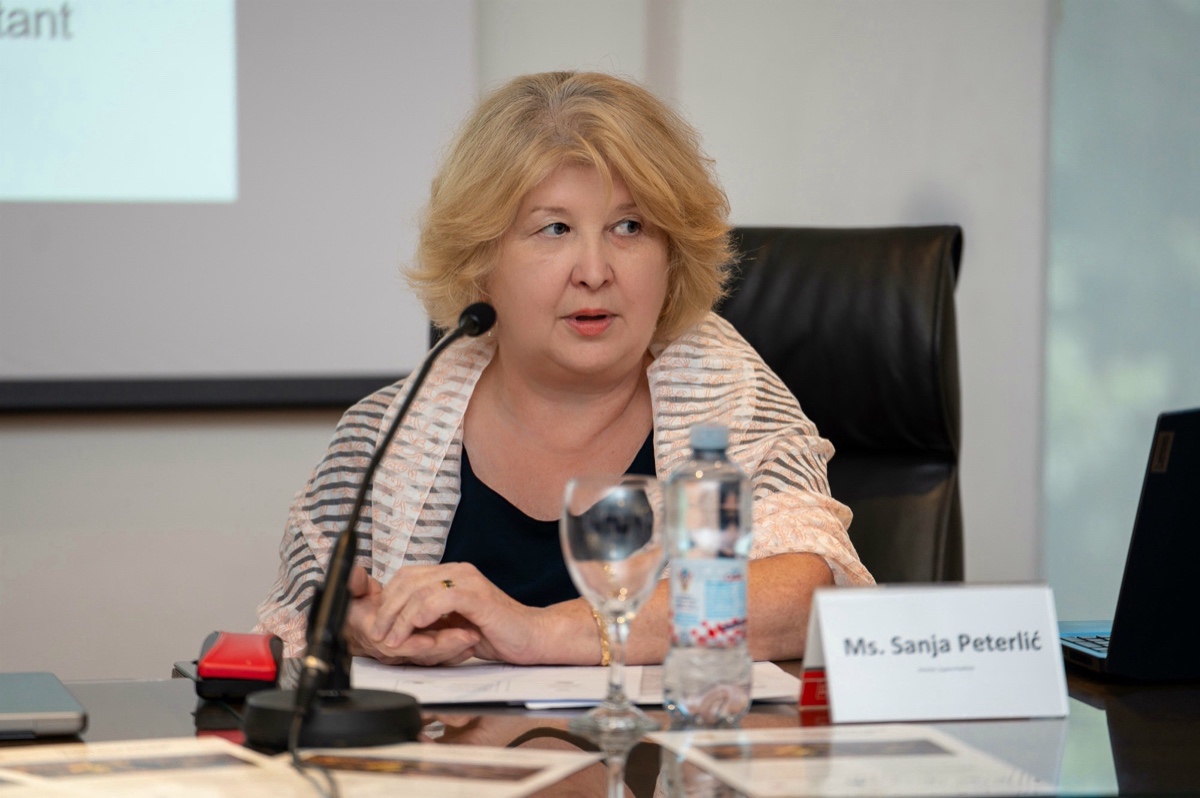
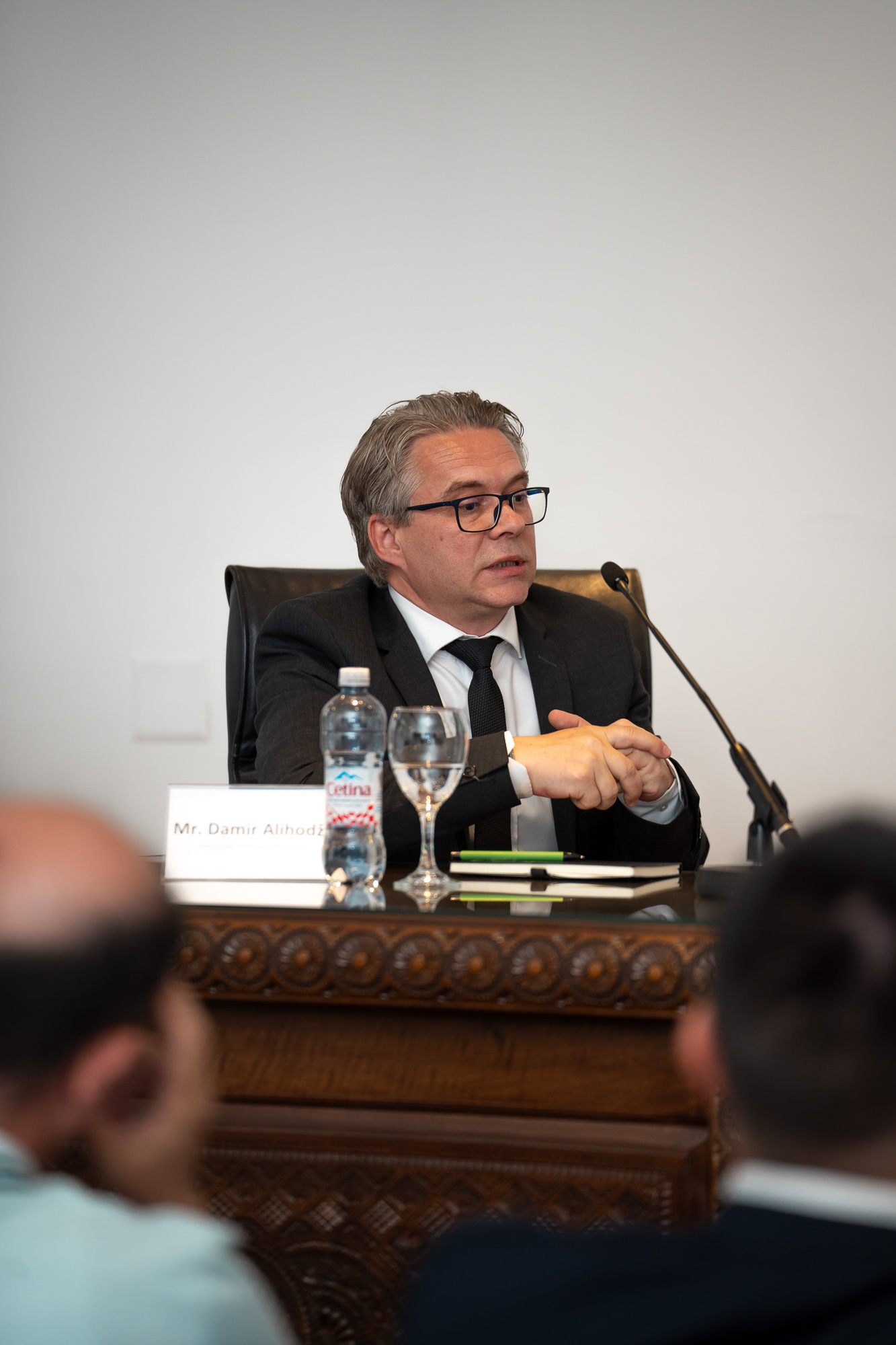
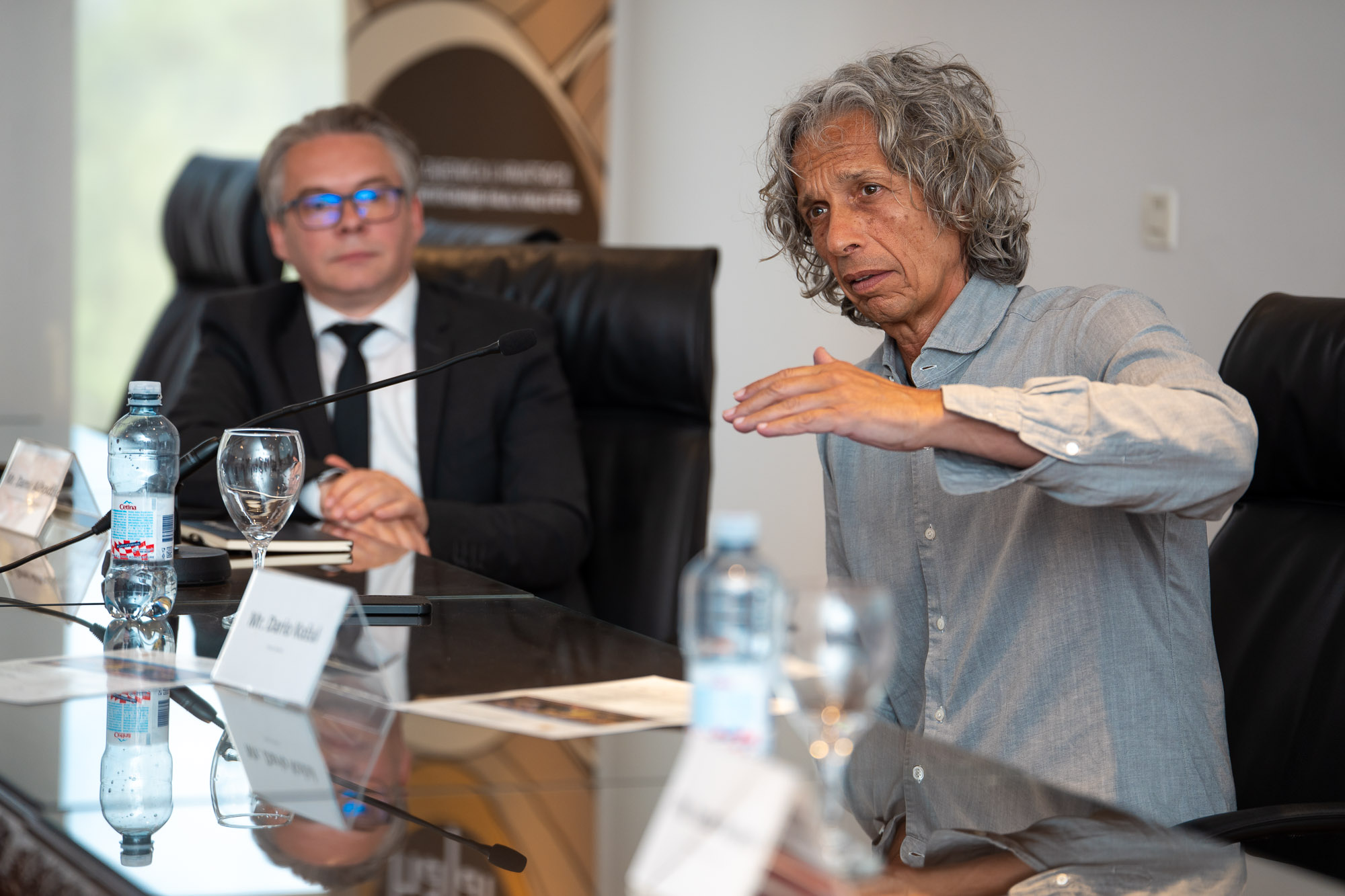
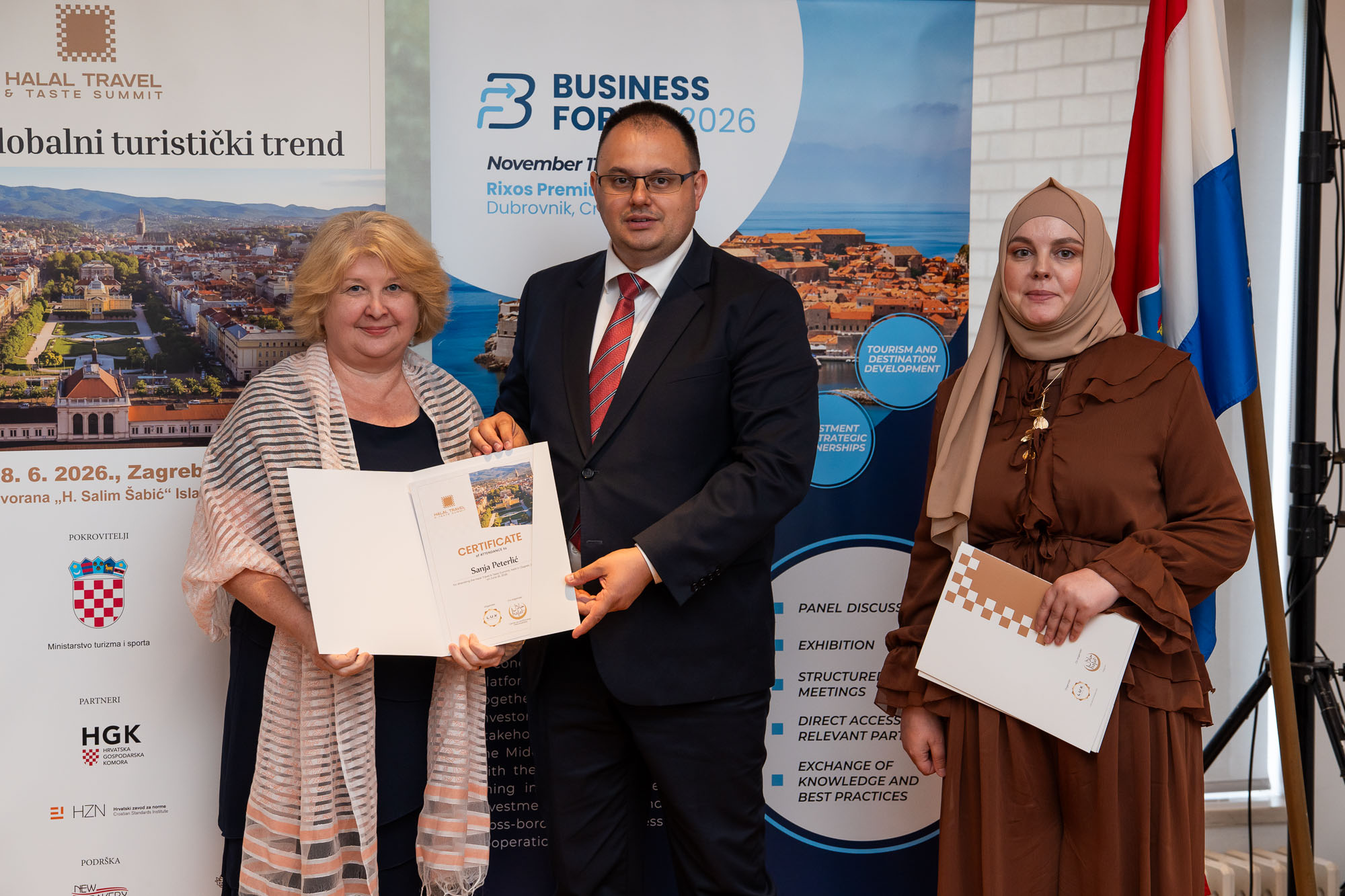
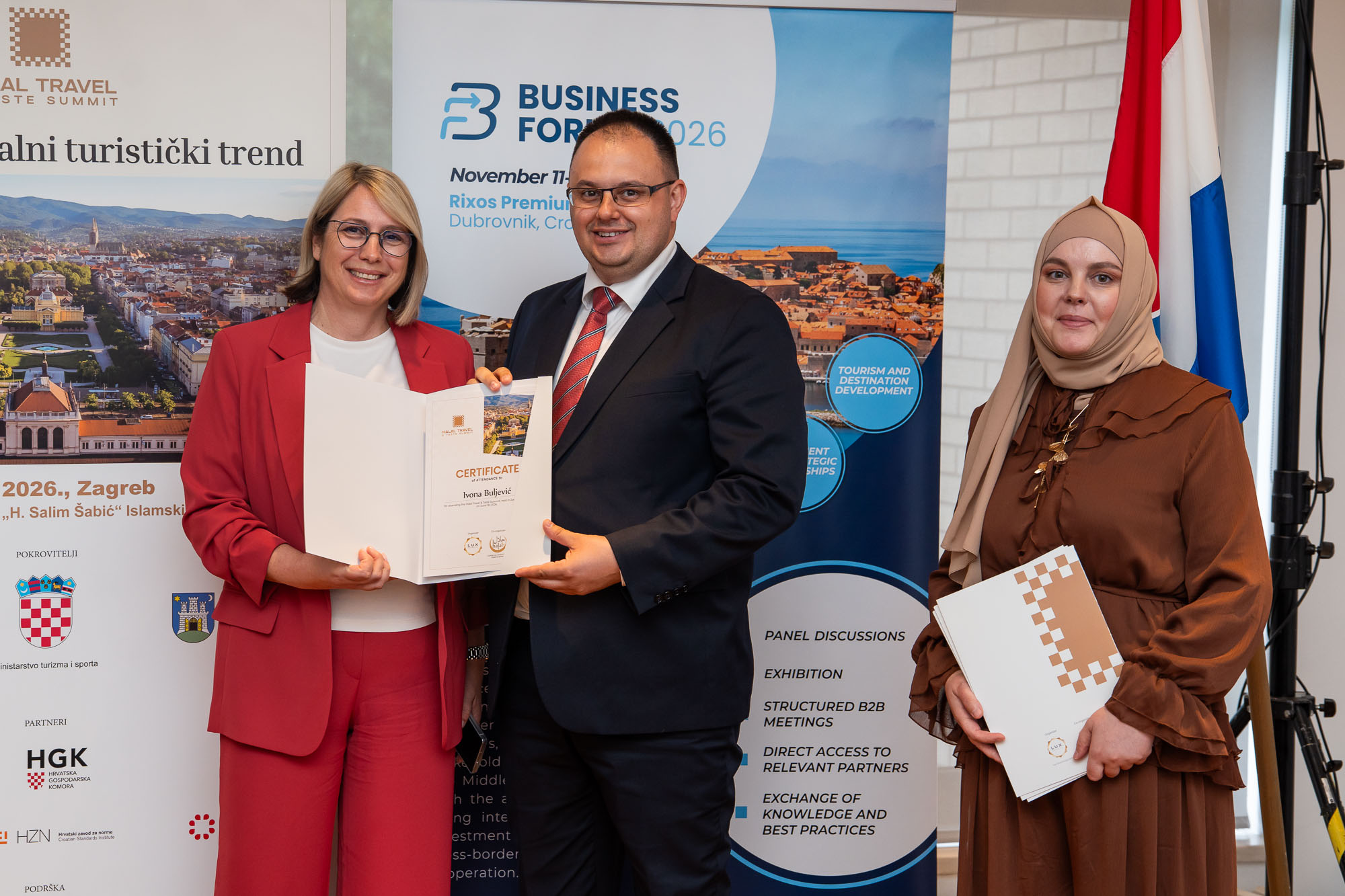
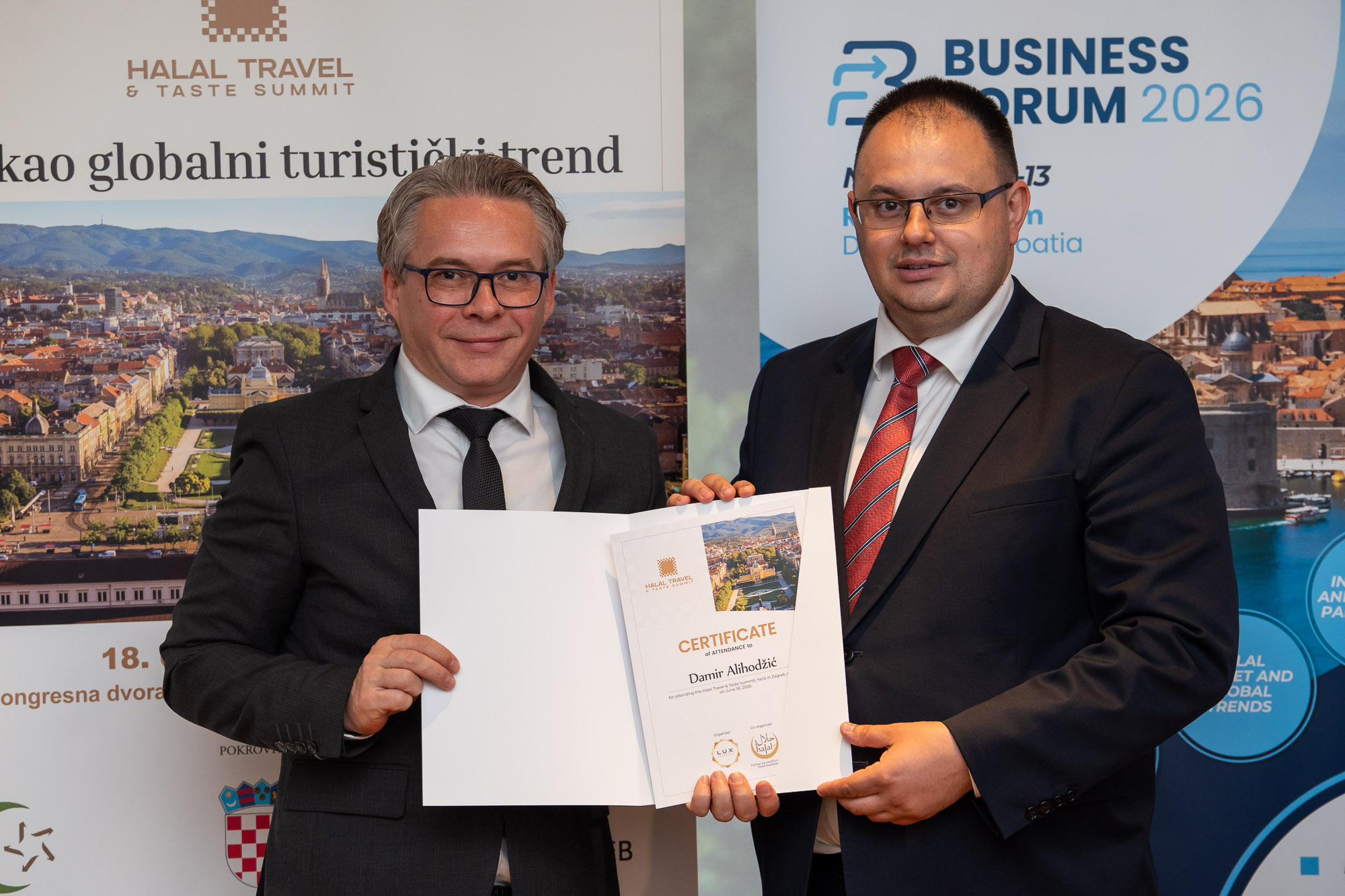
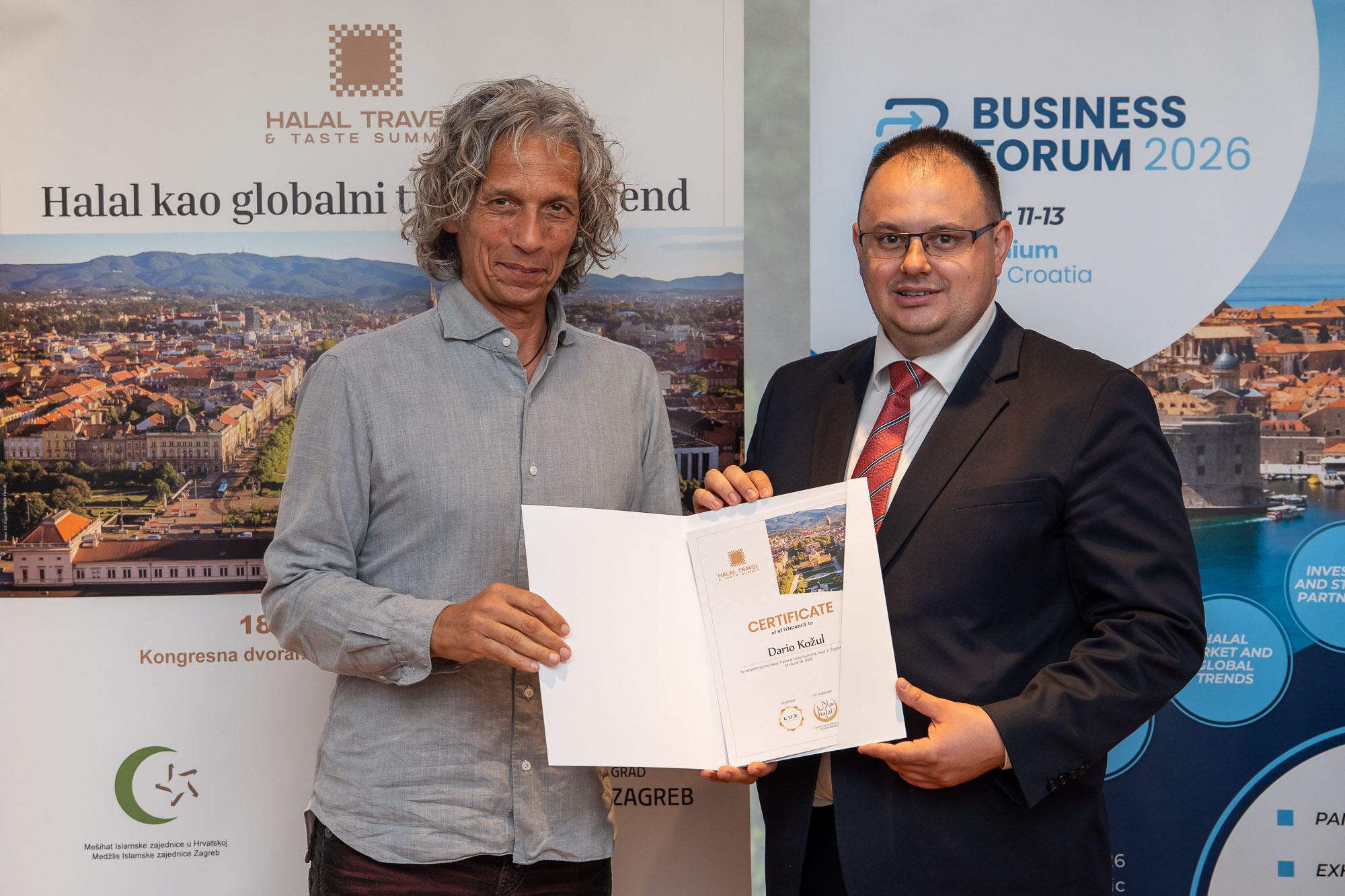
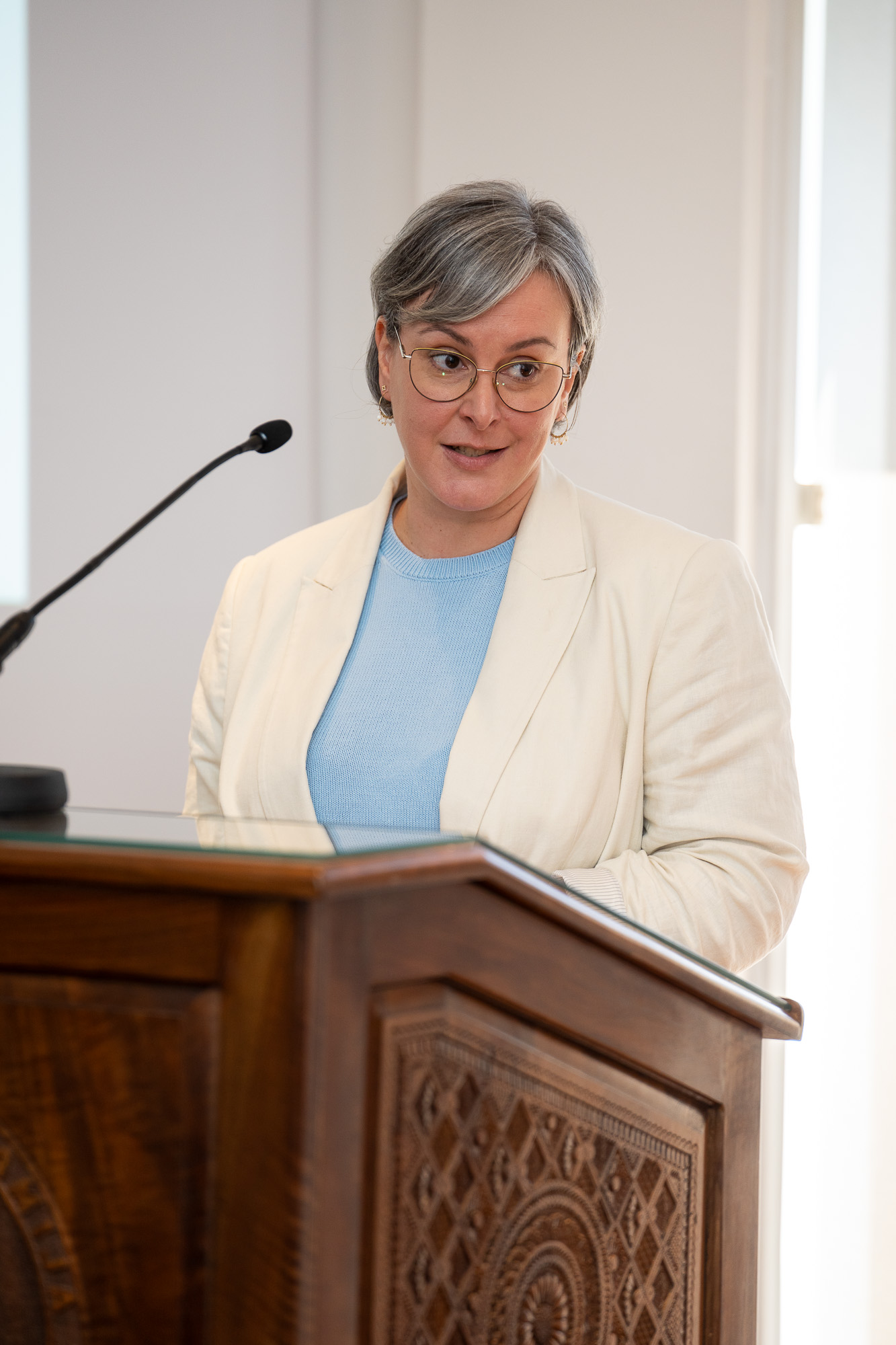
The second panel, entitled "Building Trust through Halal Standards and Certification", focused on standardisation and trust. Marina Babić from the Croatian Standards Institute spoke about the role of standards and certification in building safety and transparency in halal services, with a particular focus on tourism. The third panel, "Halal Standards and Certification in Tourism Practice", presented practical experiences from the hotel and hospitality sectors. Experiences were shared by Ivona Buljević, Hotel Manager of Grand Hotel View in Postira on the island of Brač; Sanja Peterlić from Supera kvaliteta; Damir Alihodžić, Director of the Agency for Halal Quality Certification of Bosnia and Herzegovina; and Dario Kožul, founder of the BioMania brand and restaurant. The panels were prepared and moderated by Sunčana Matić.
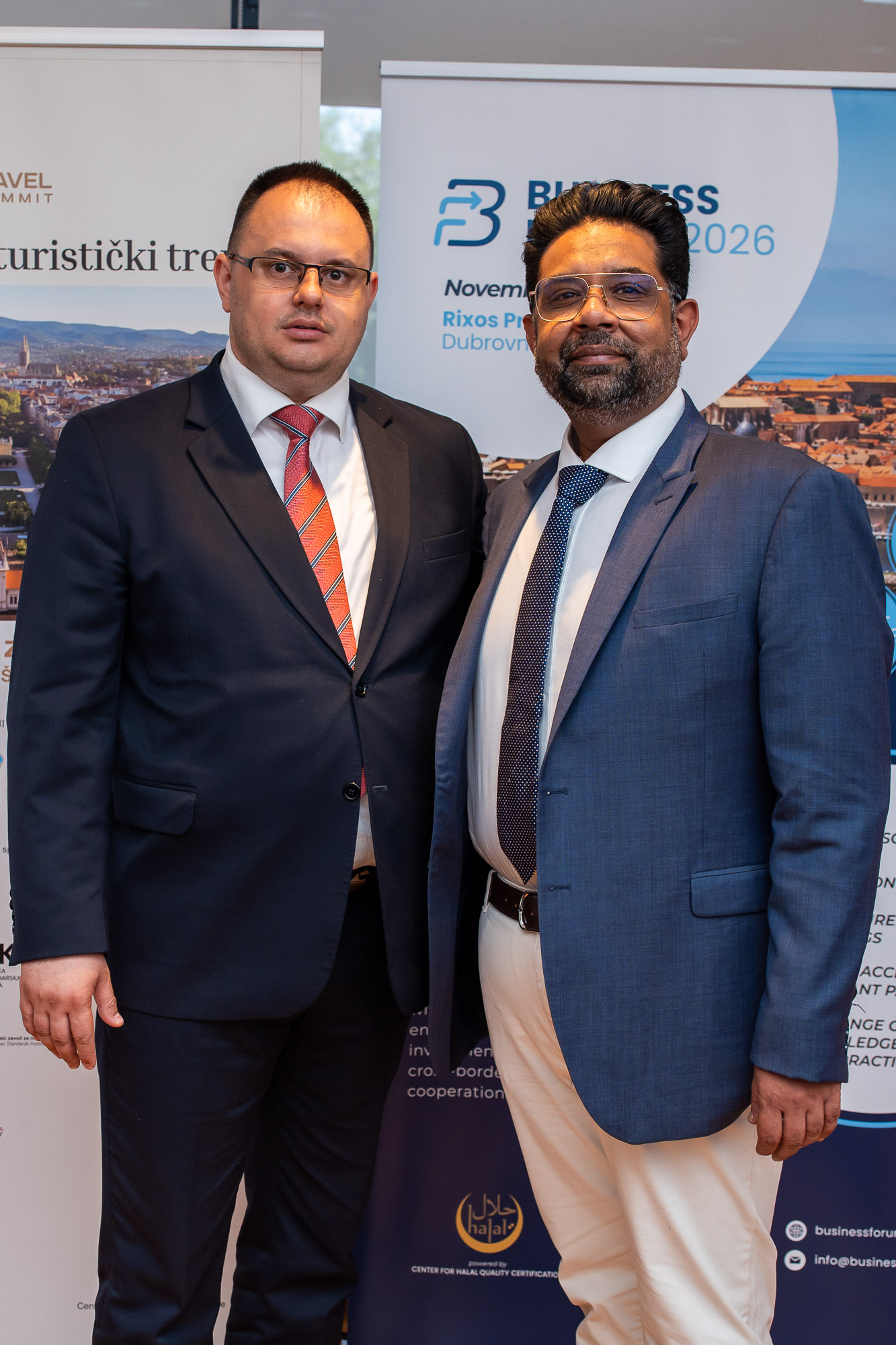
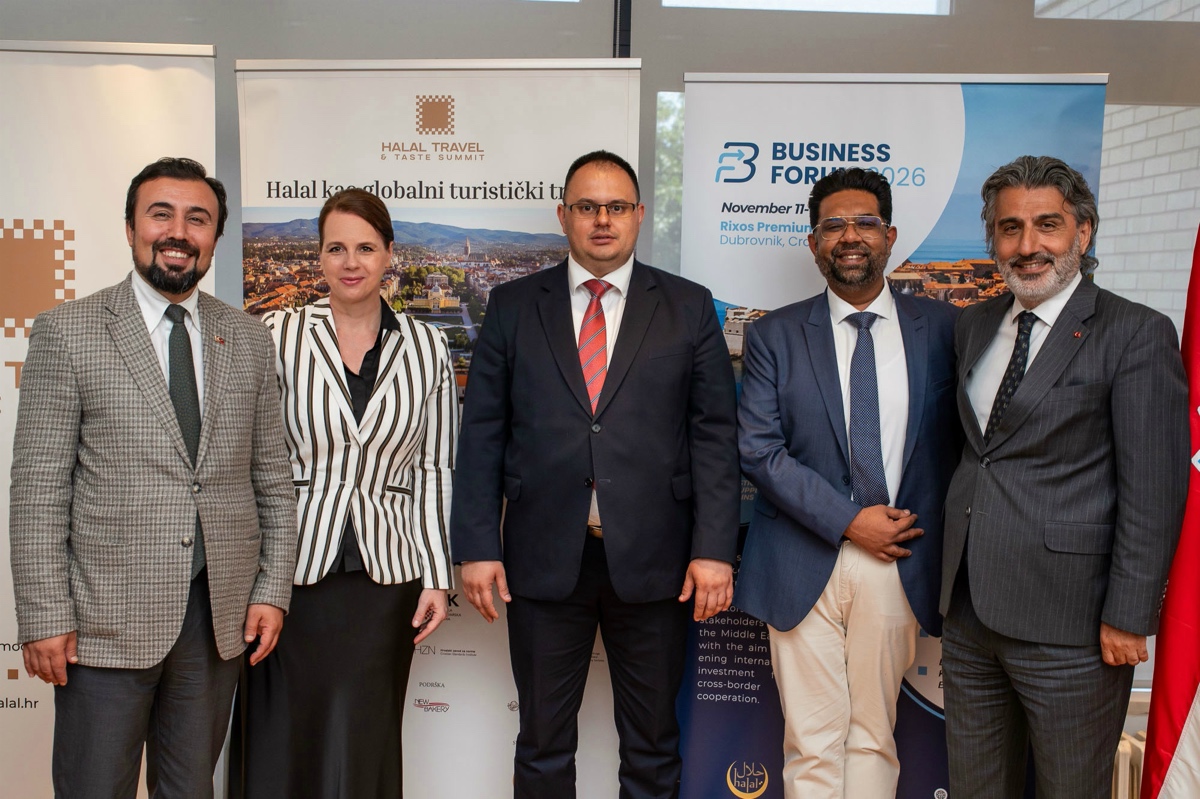
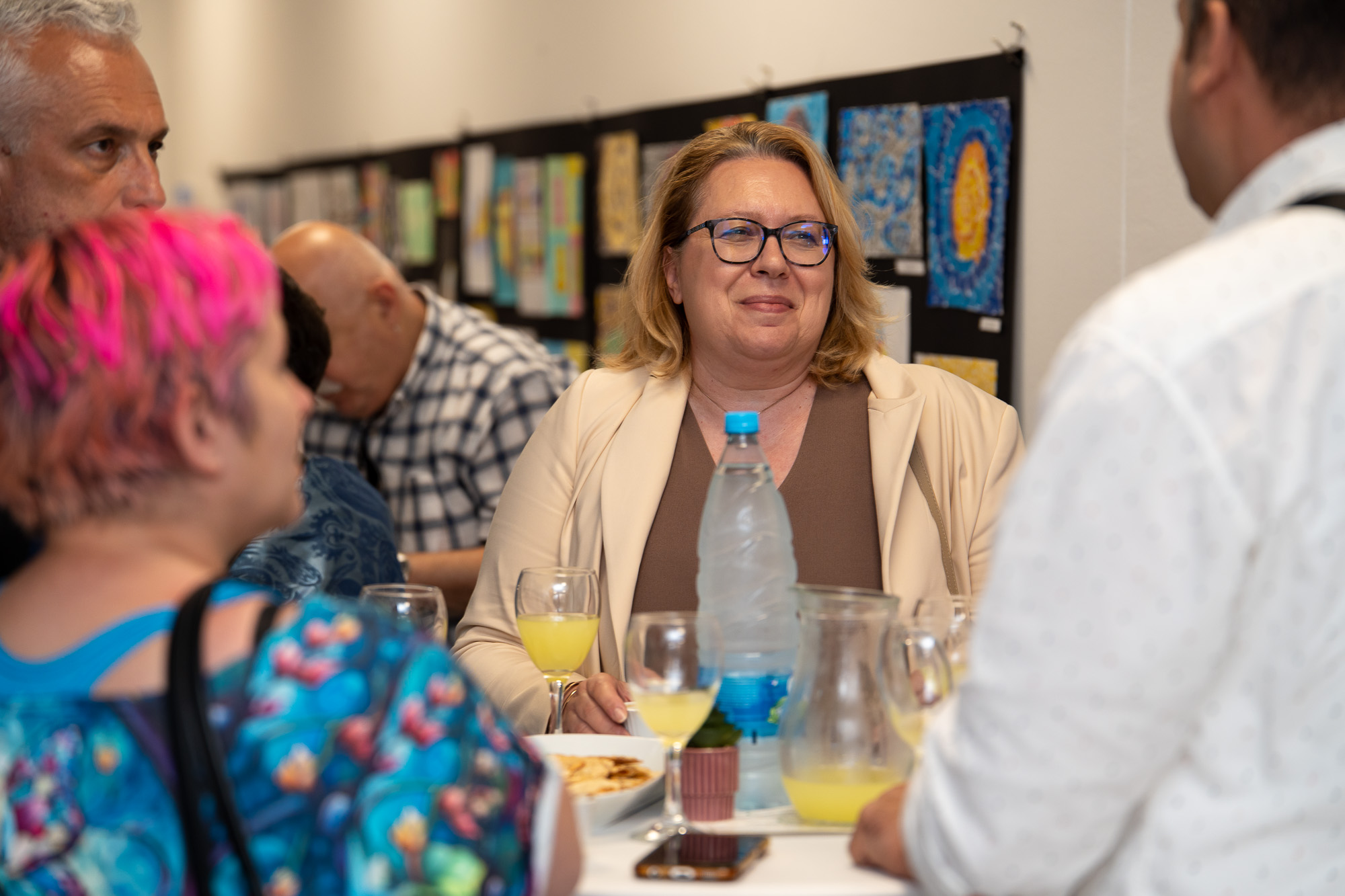
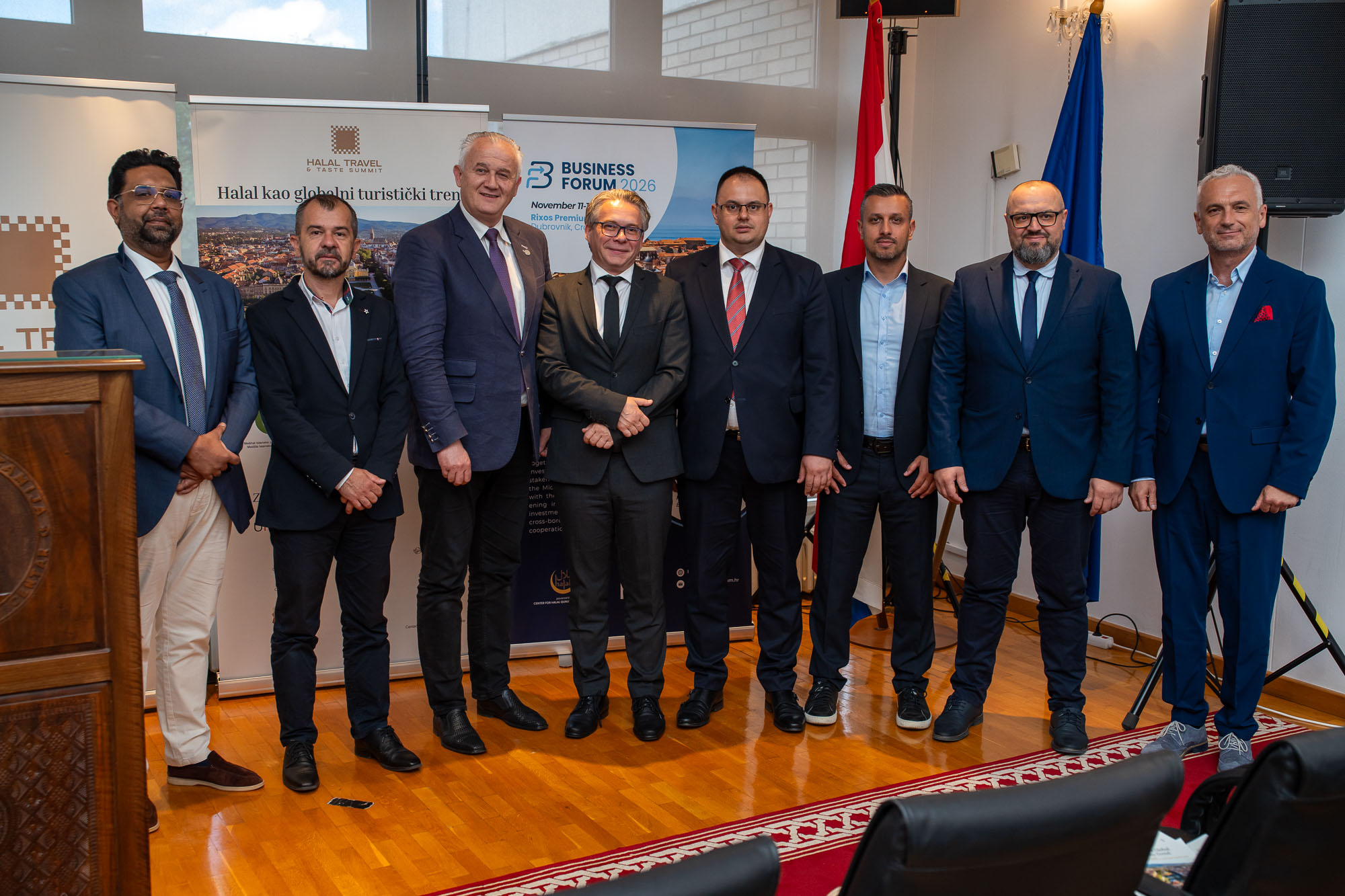
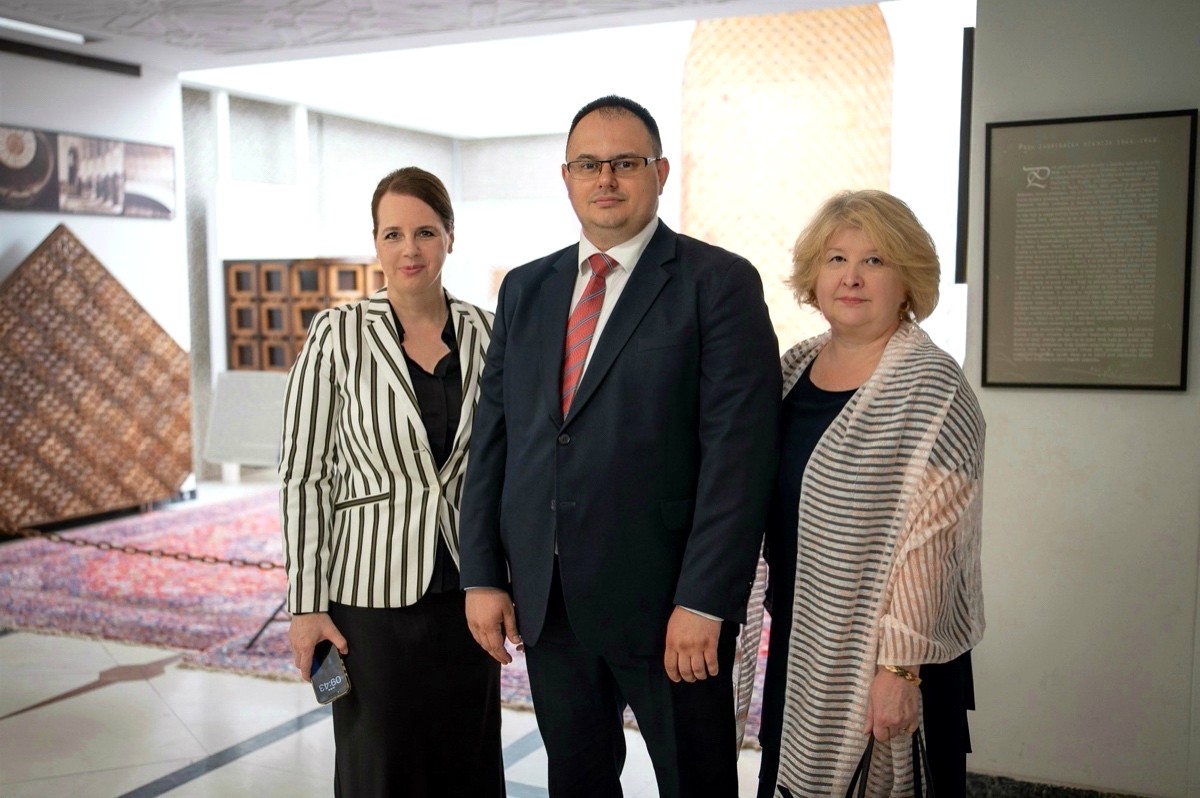
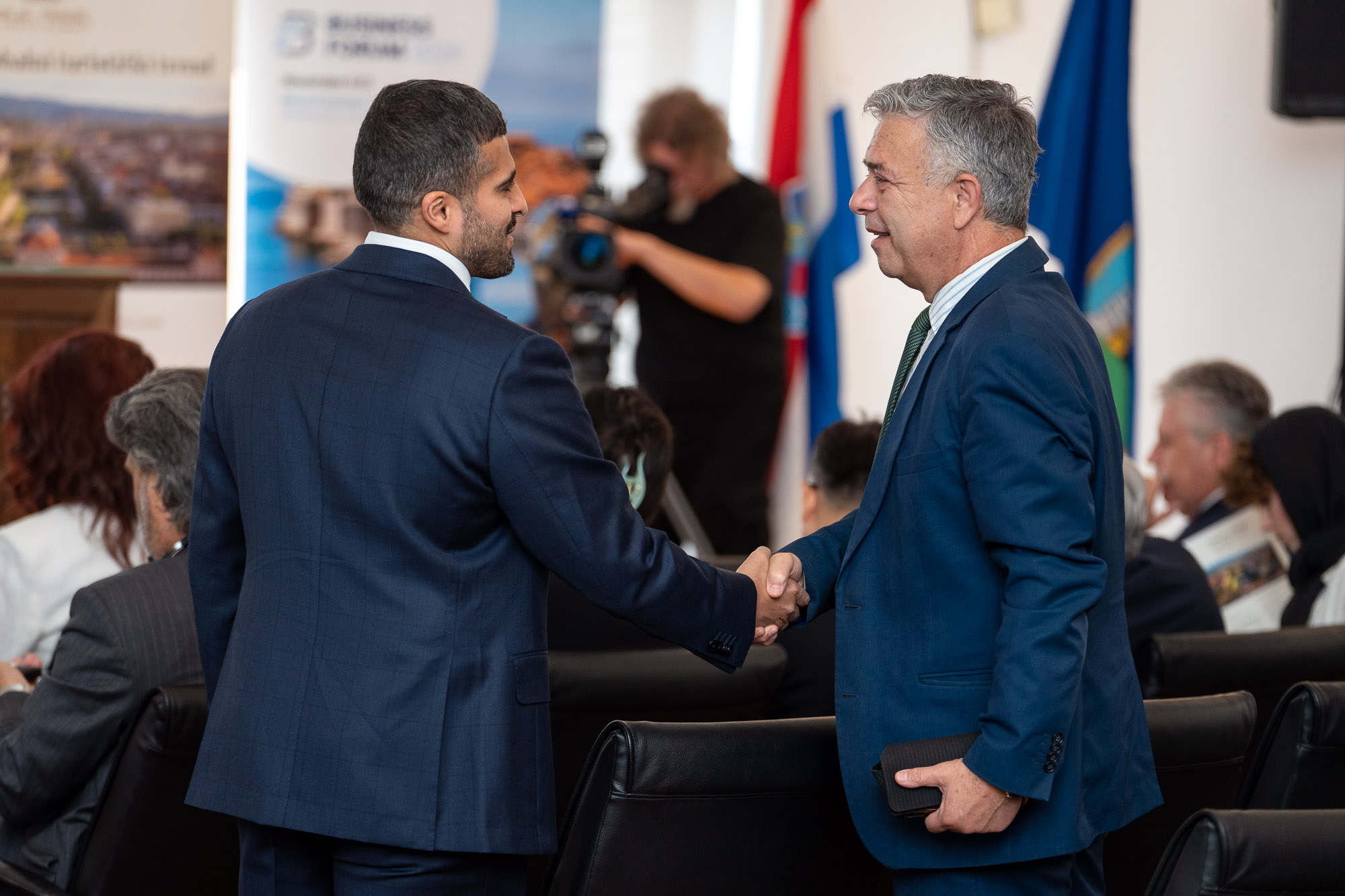
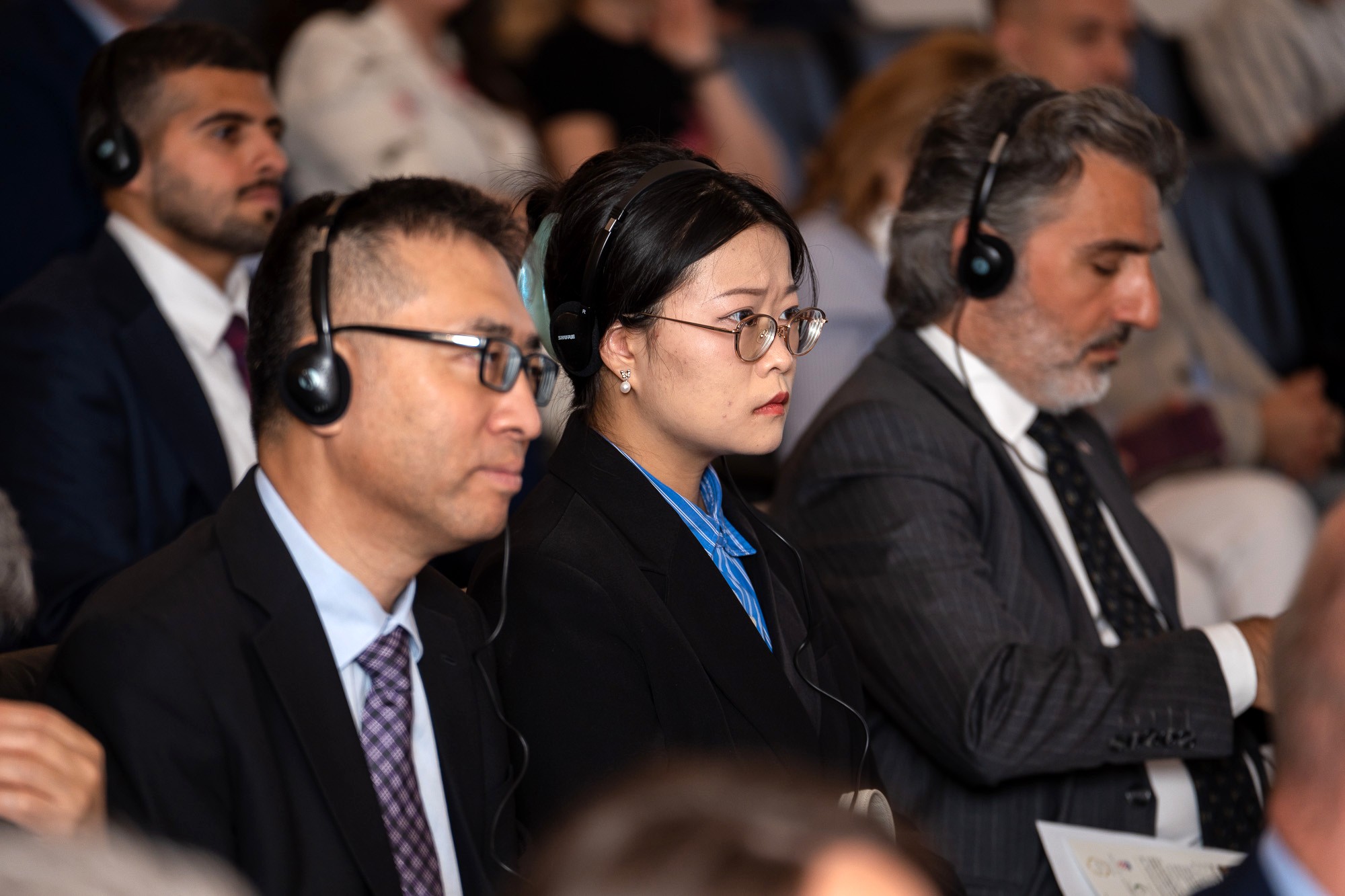
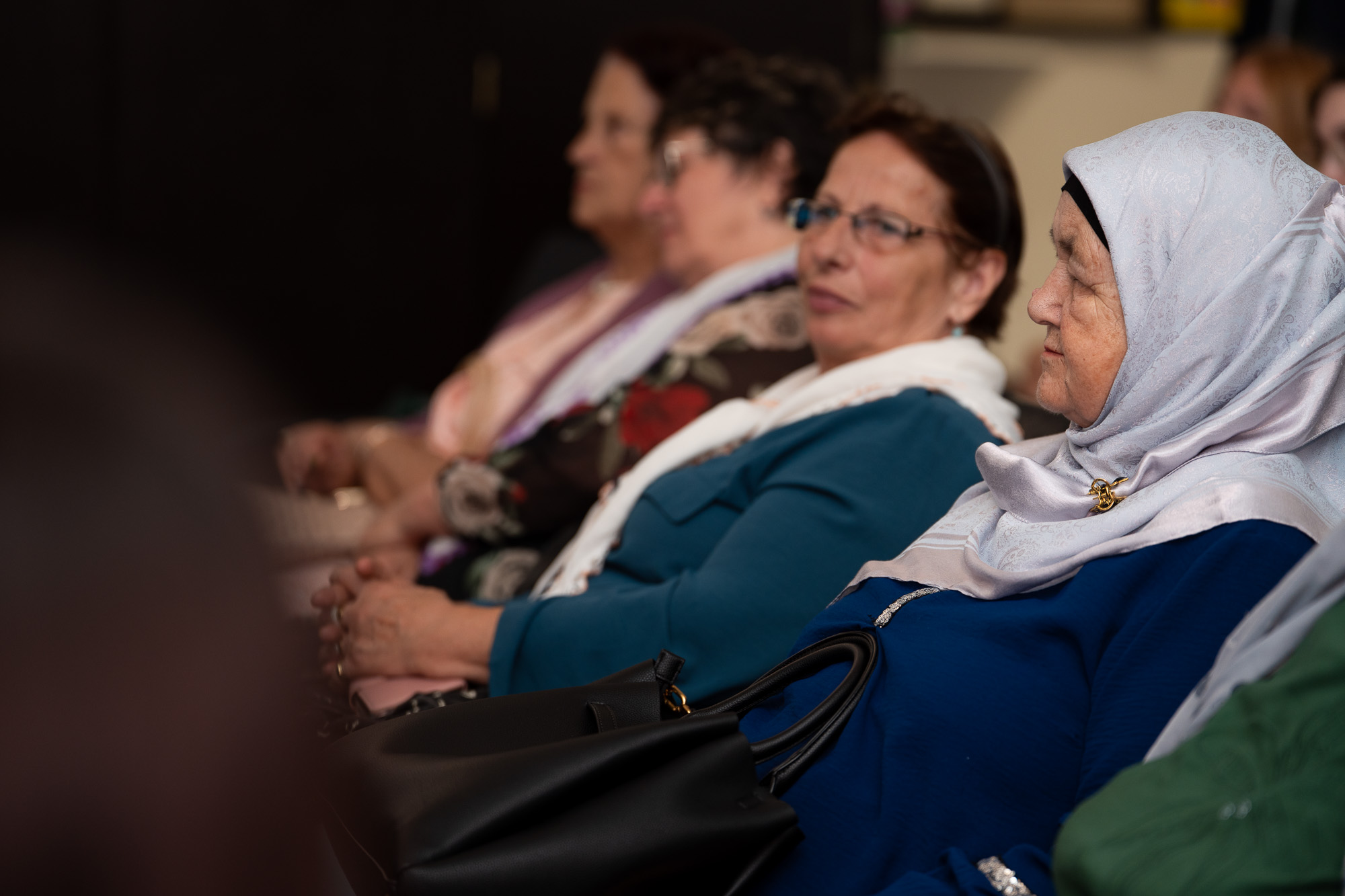
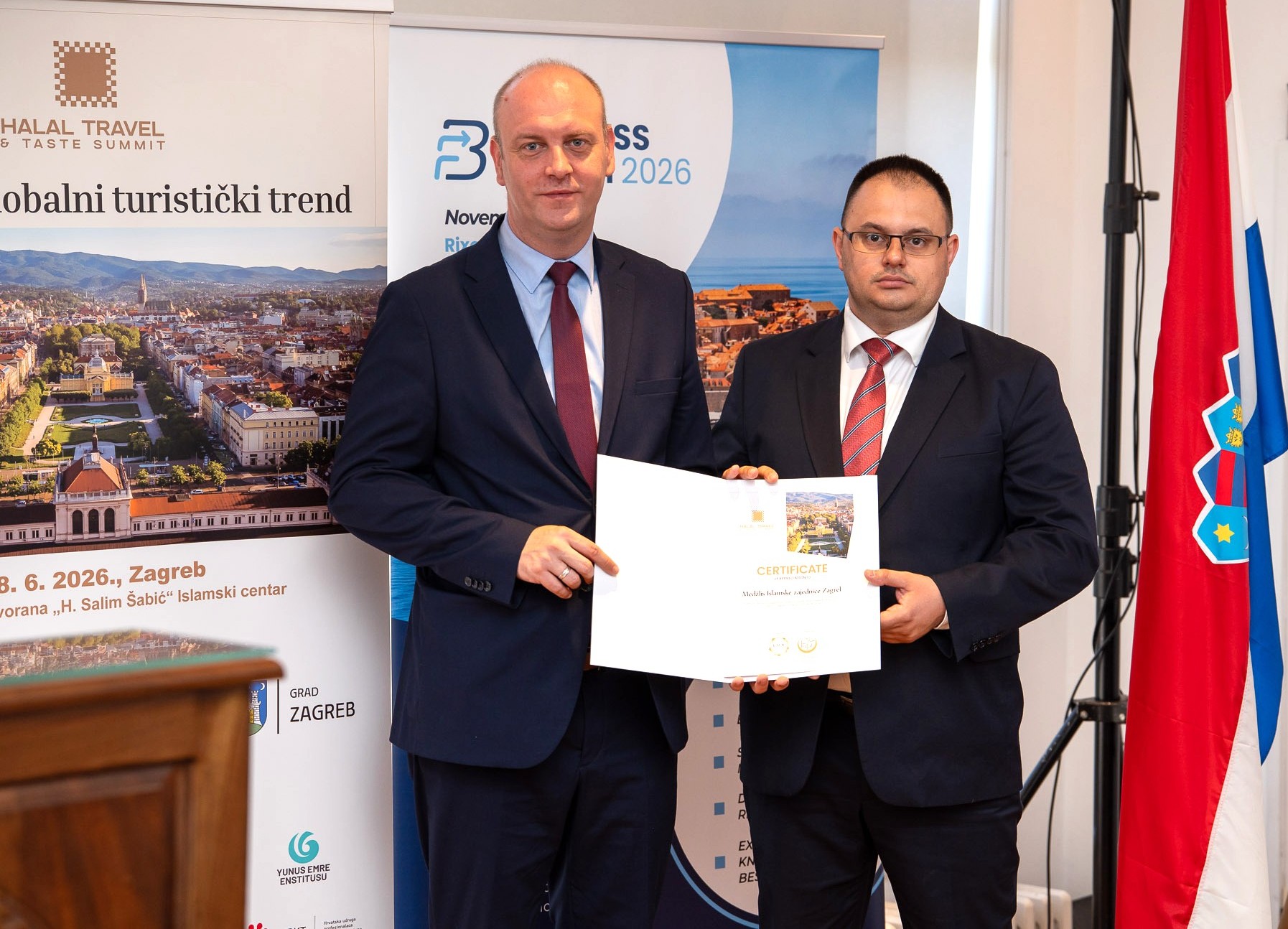
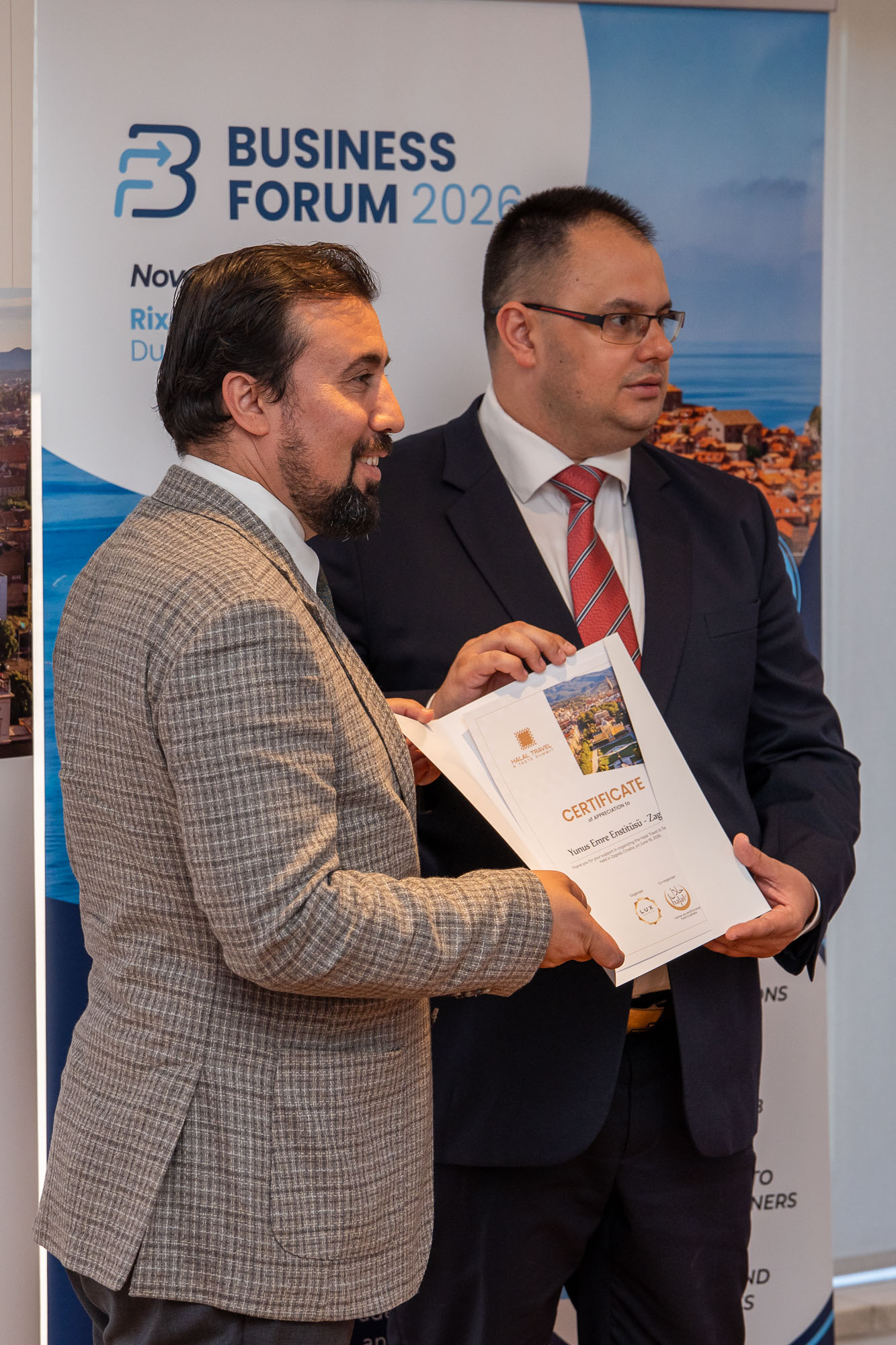
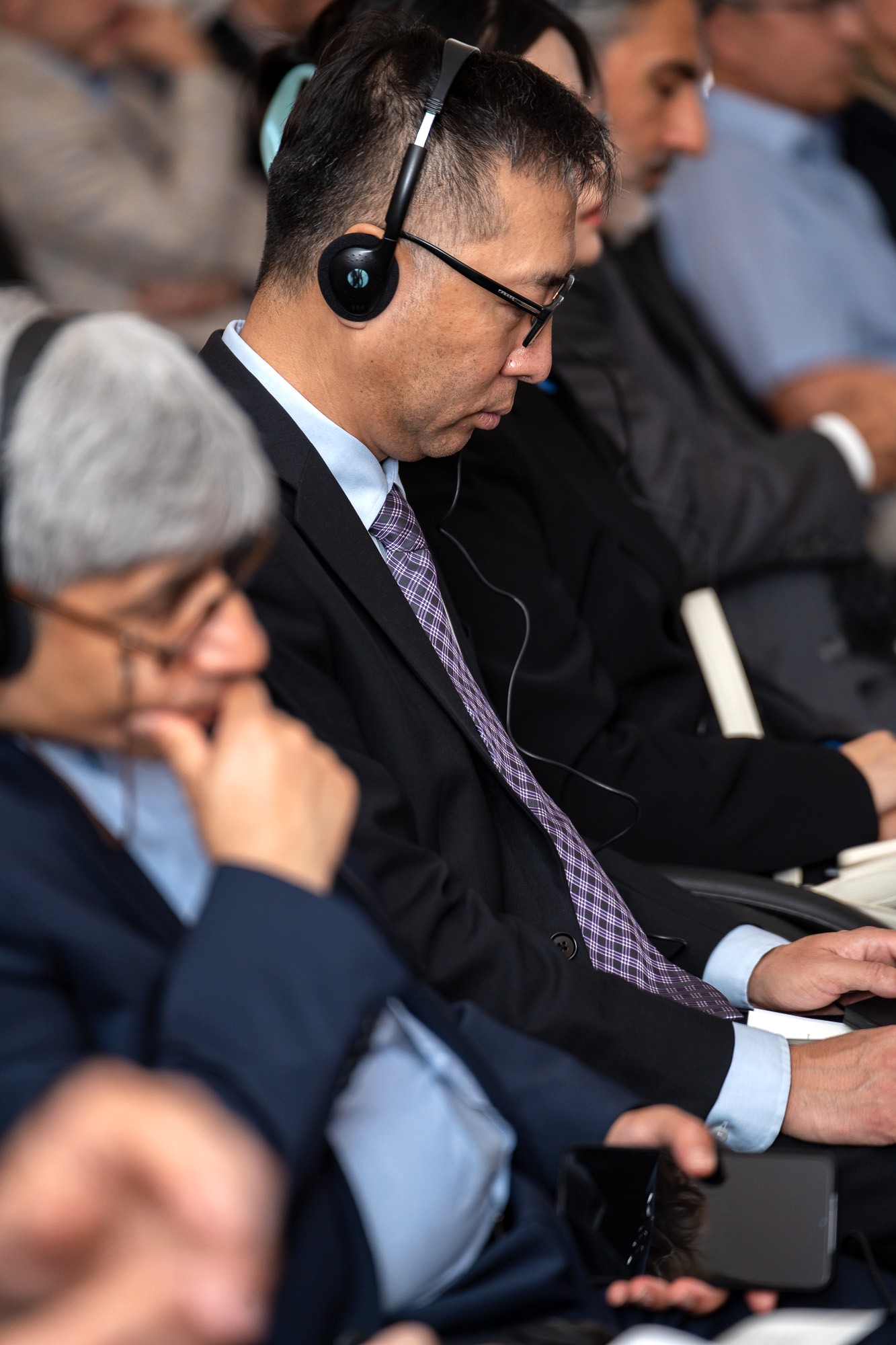
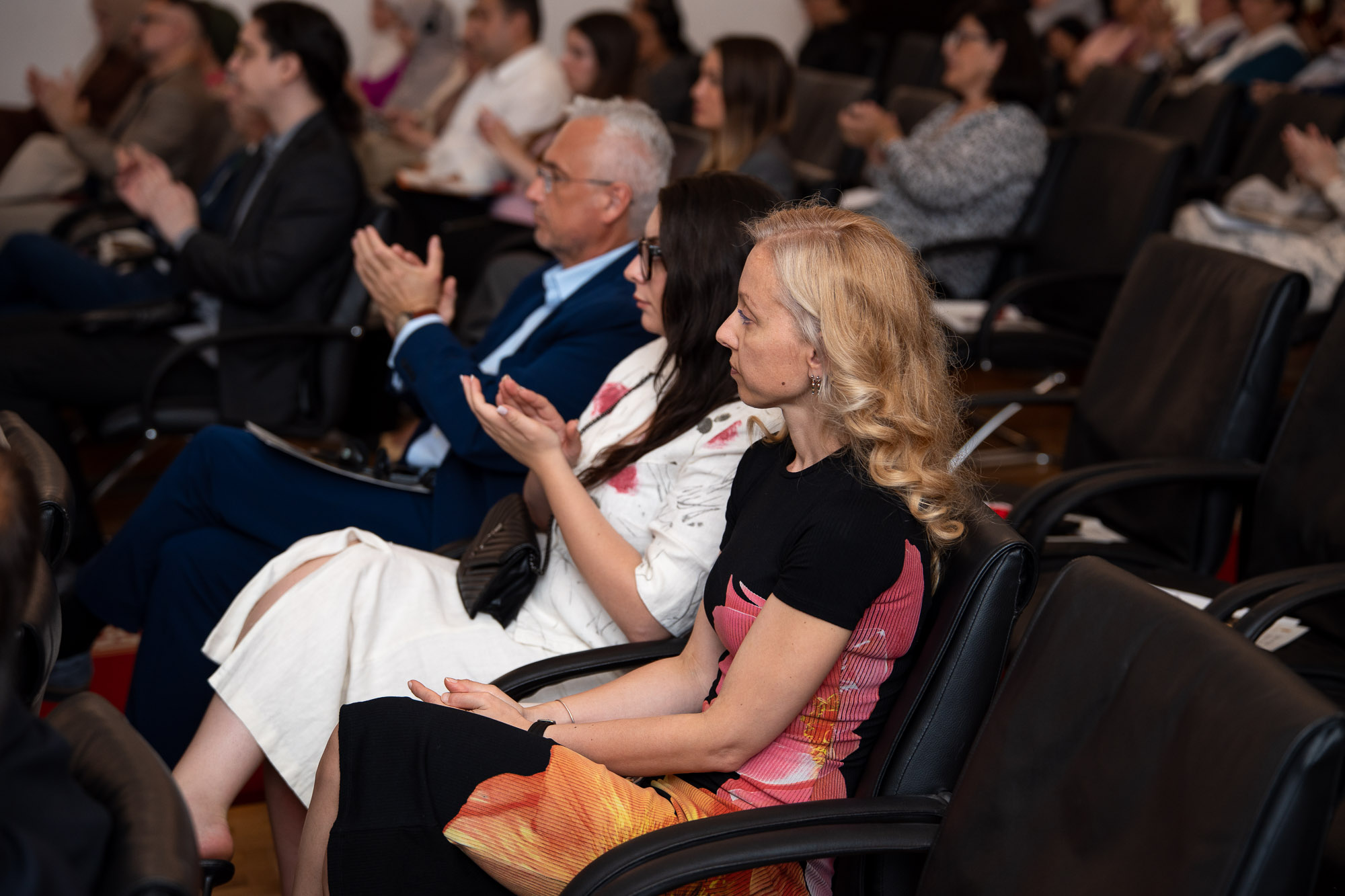
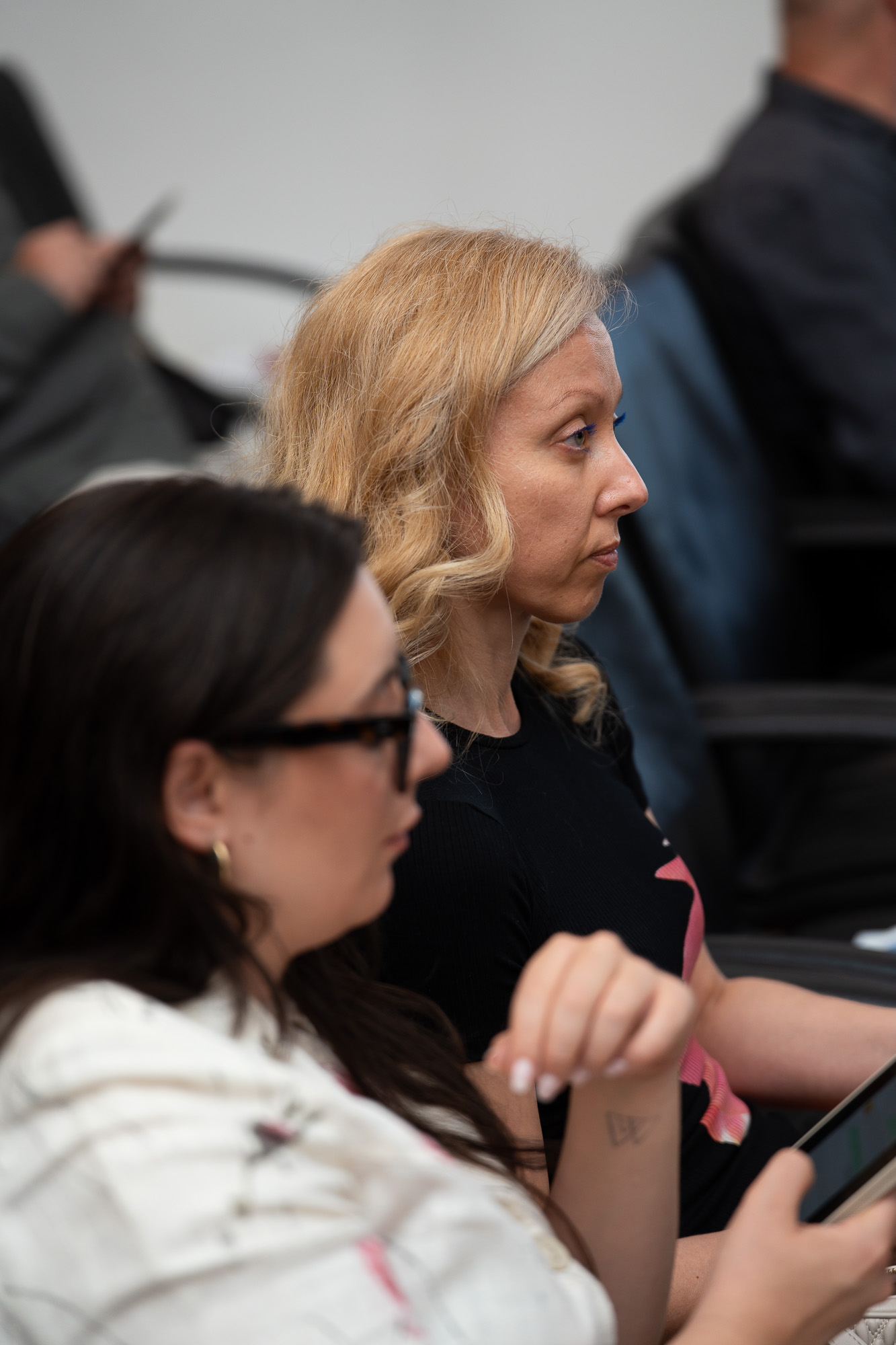
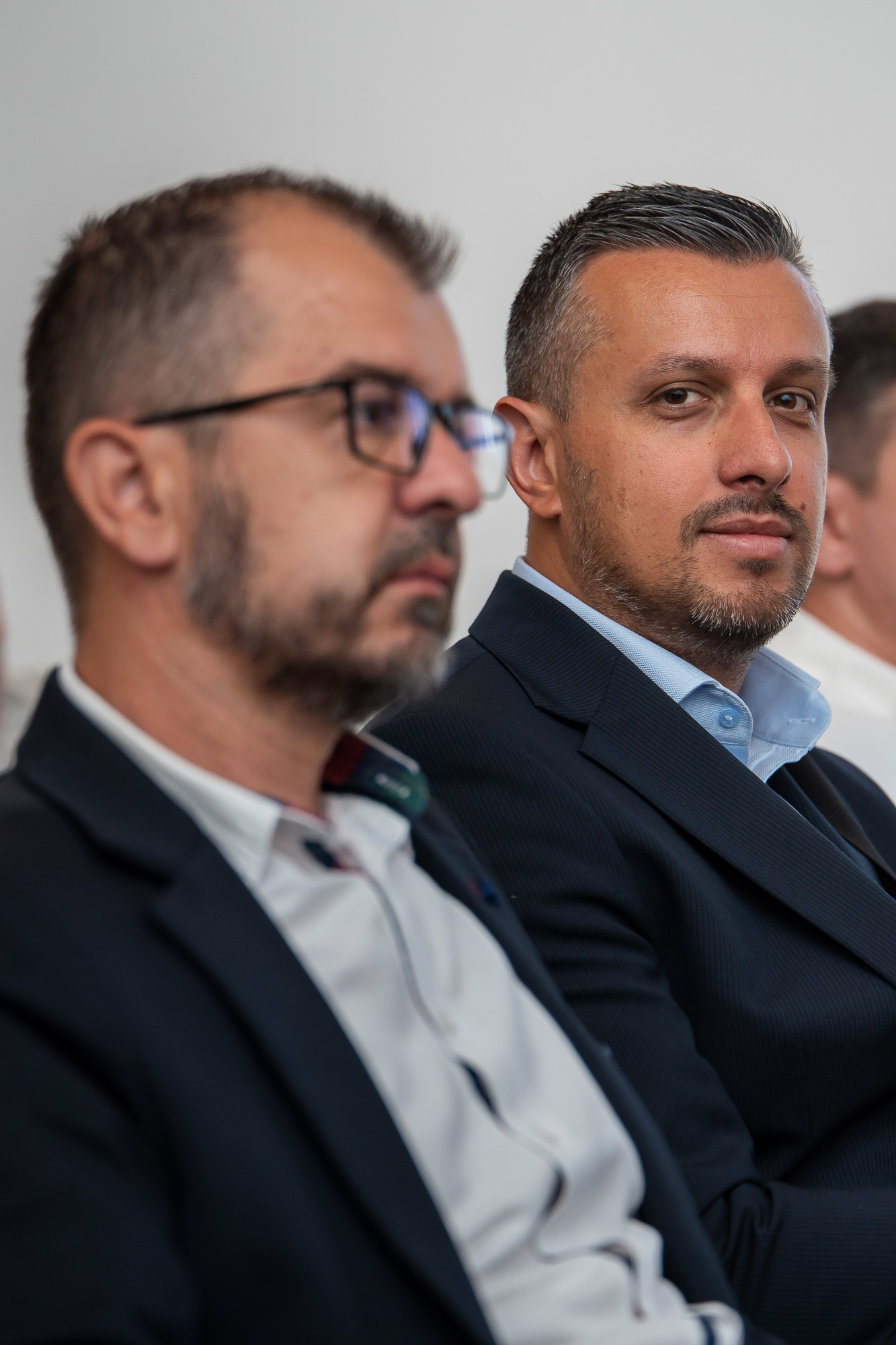
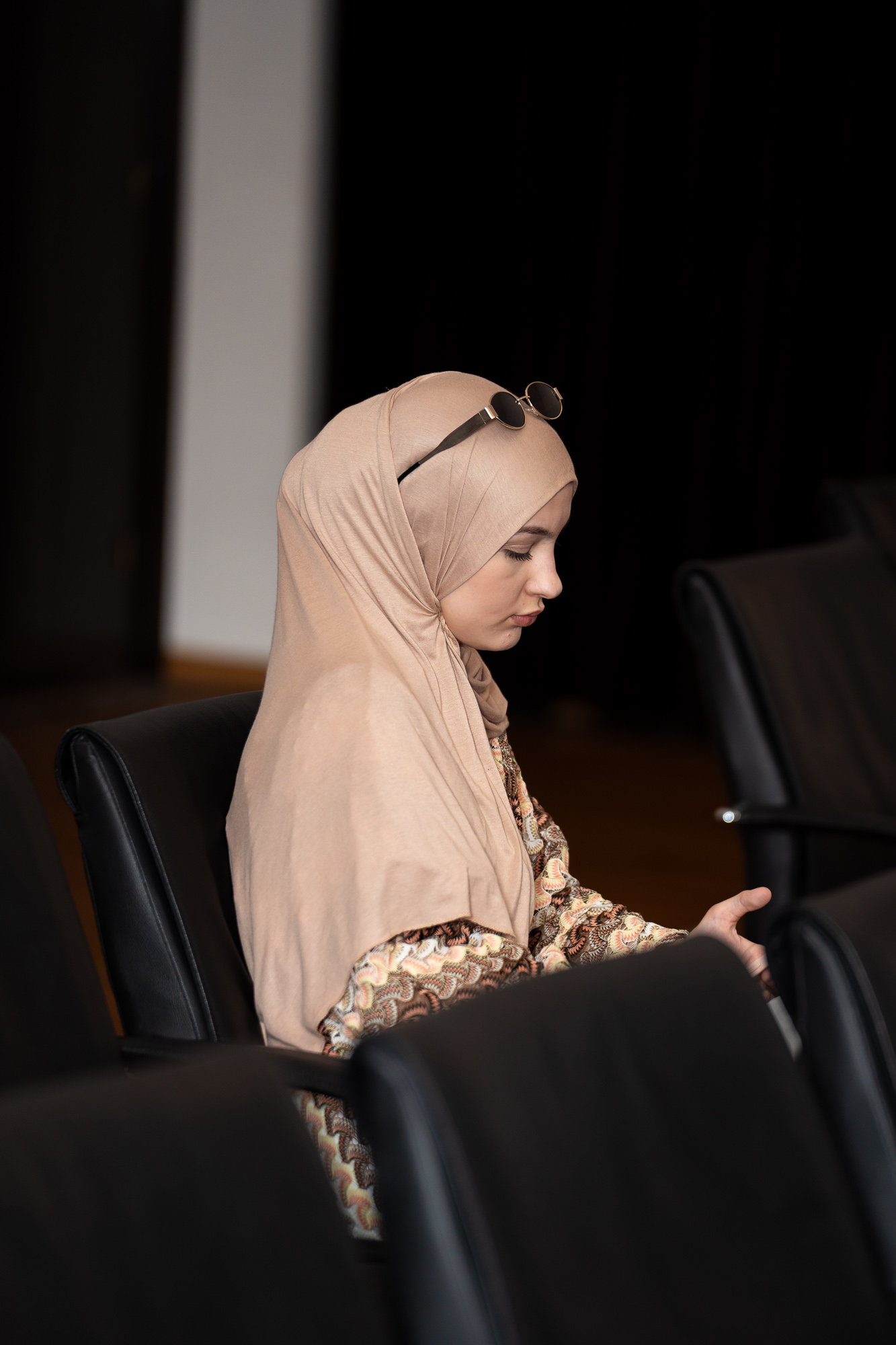
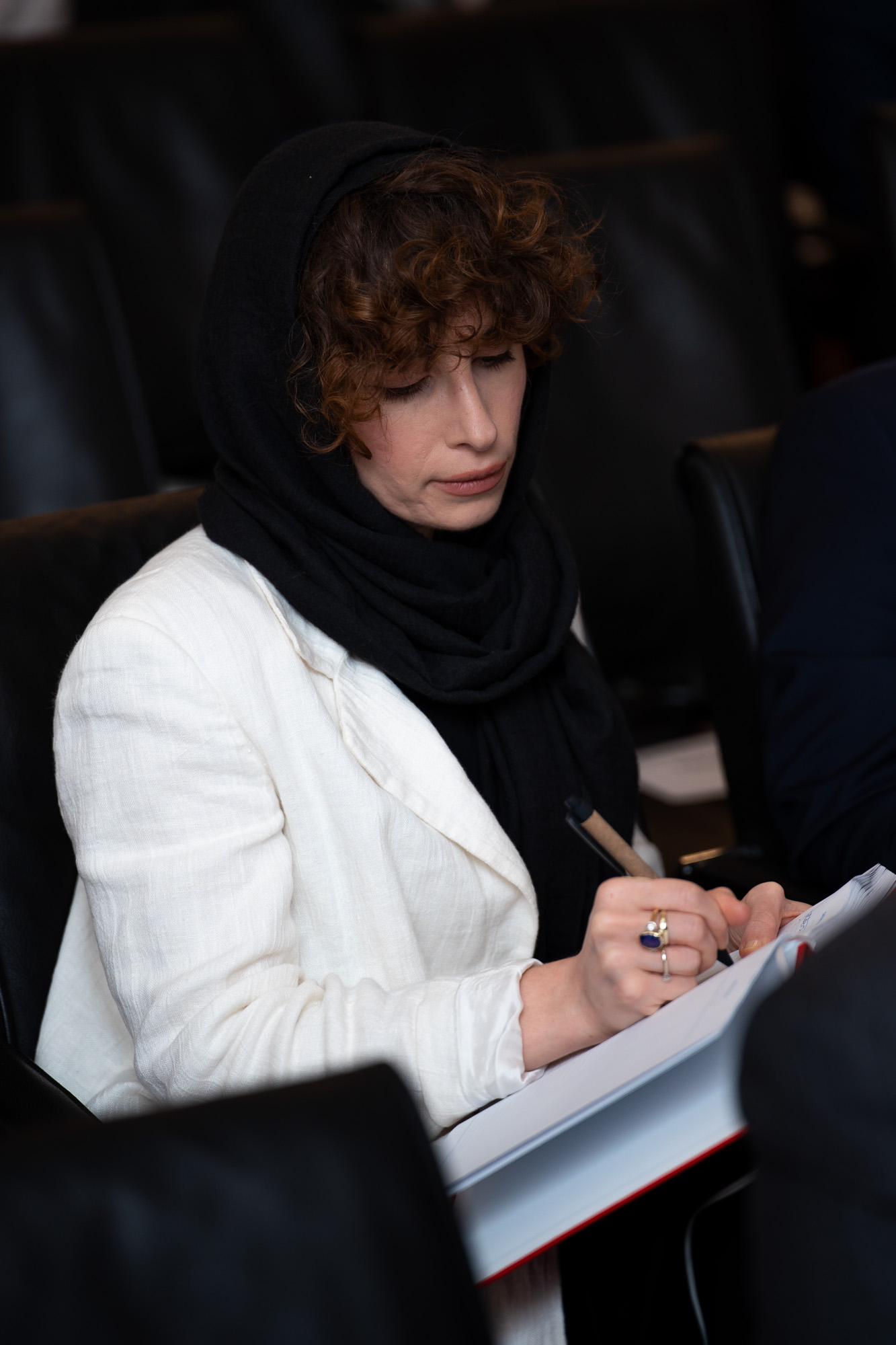
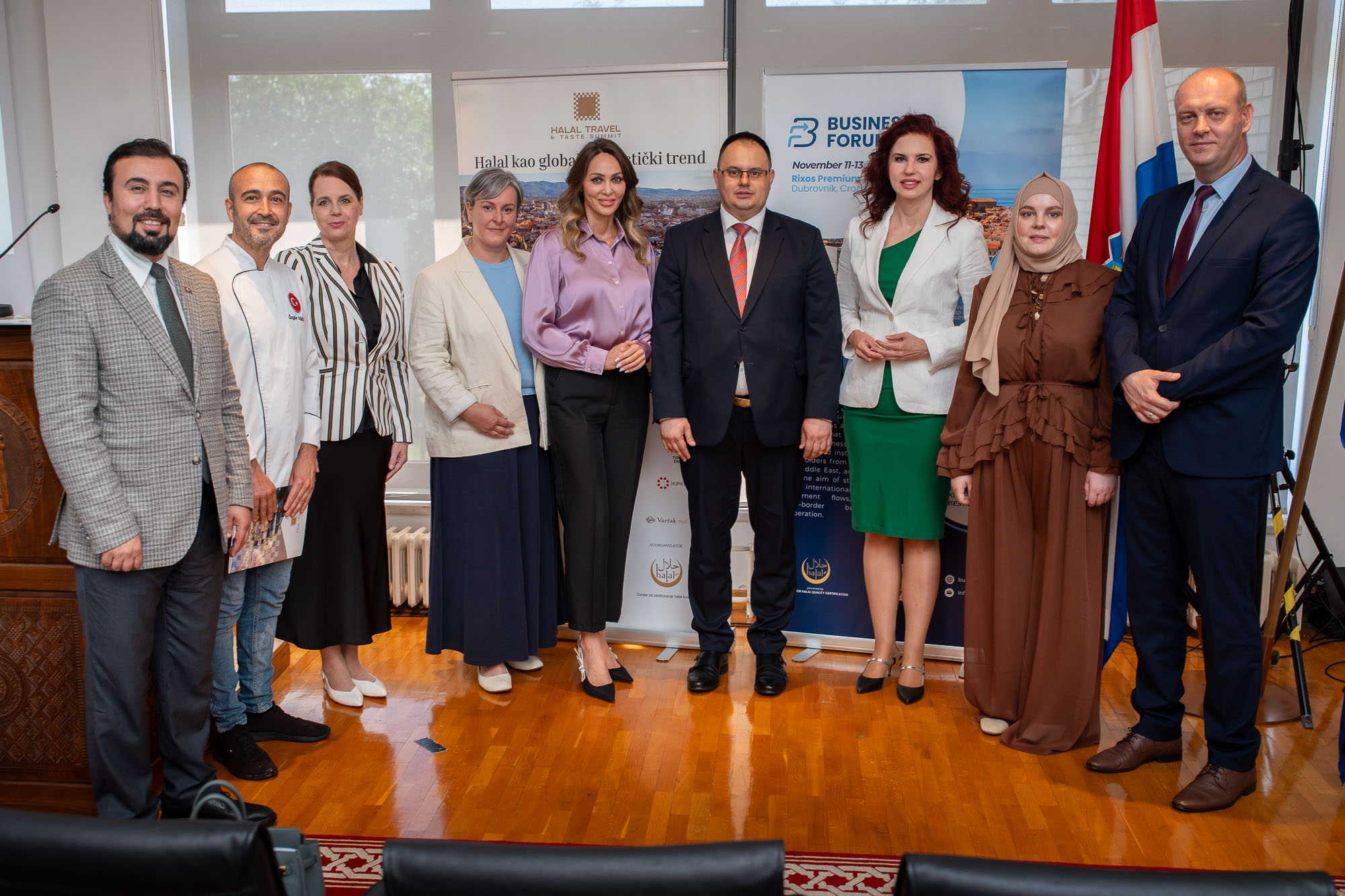
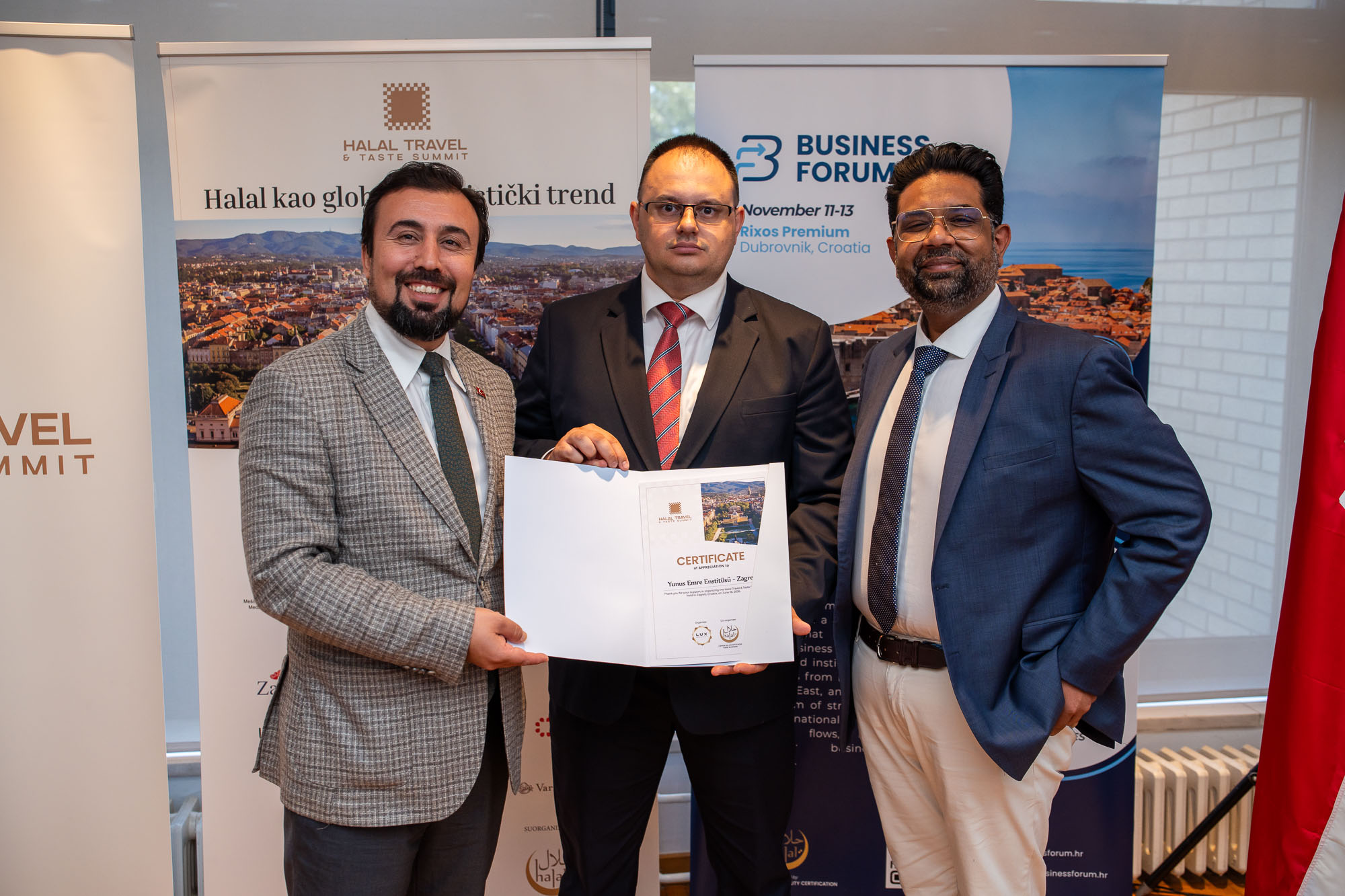
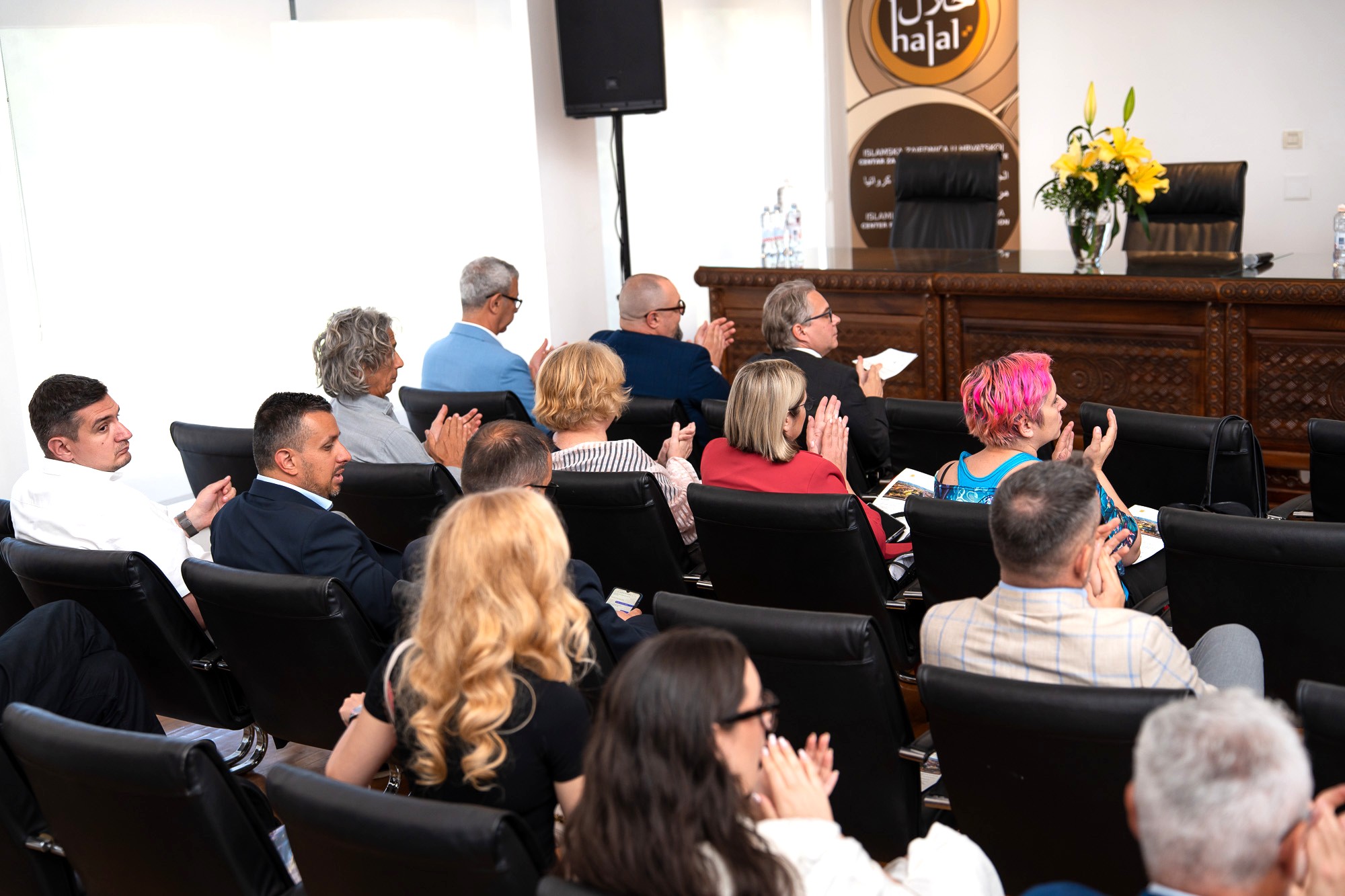
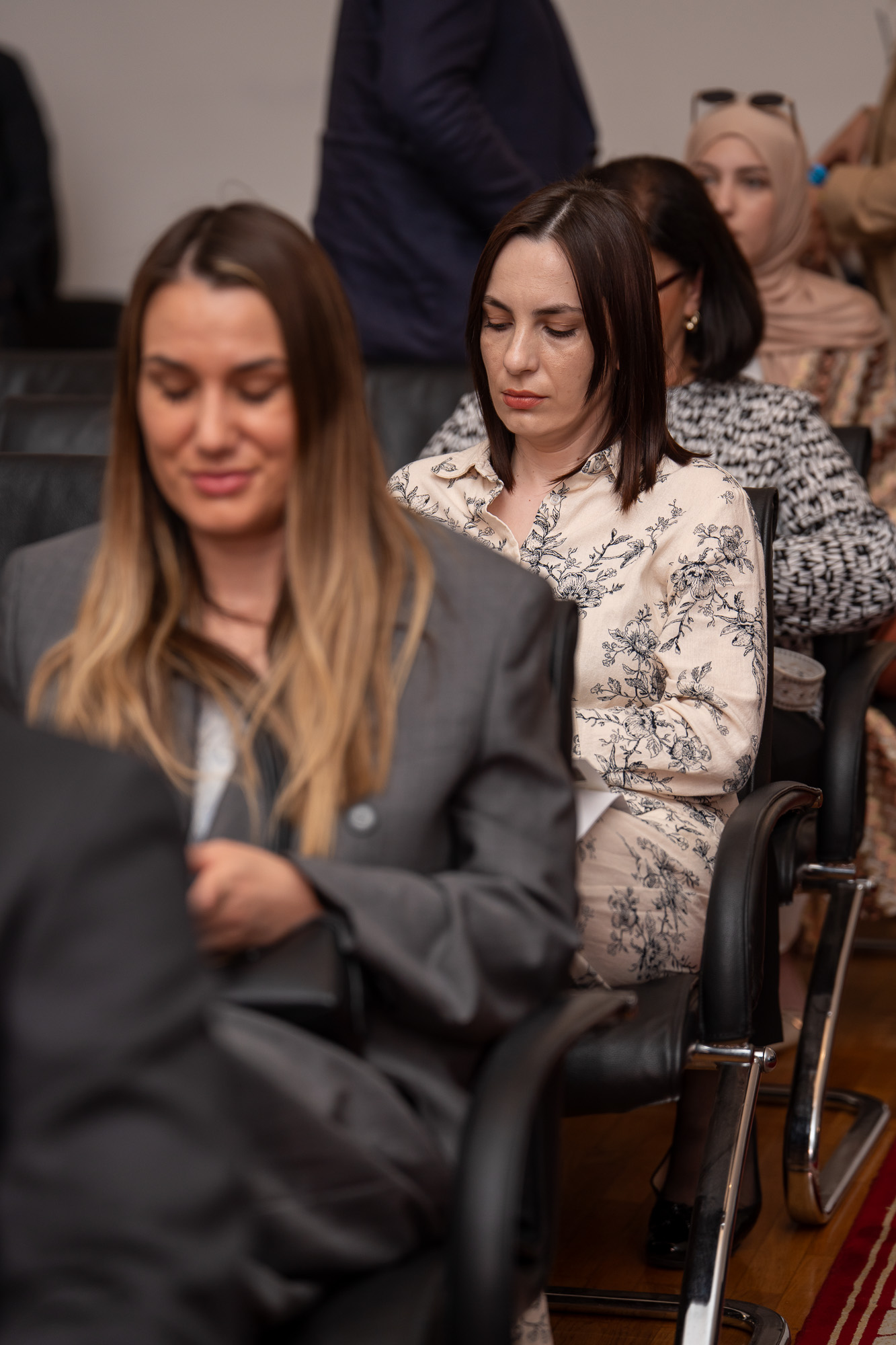
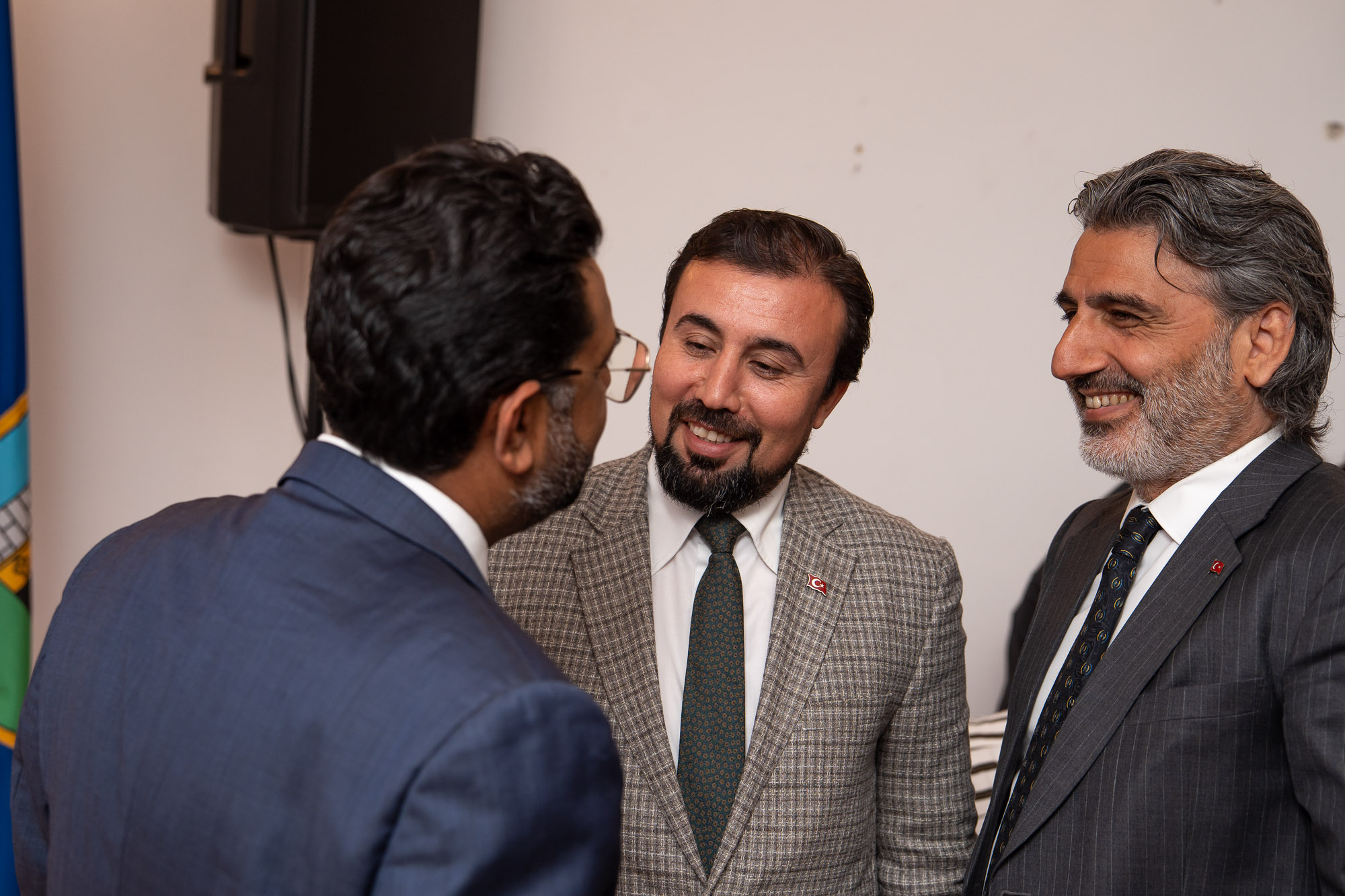
The event was attended by members of the diplomatic corps, representatives of international organisations, business leaders, and numerous guests from the public and tourism sectors. The organisers expressed their gratitude to everyone who contributed to the successful realisation of the Summit, particularly H.E. Nurdan Erpulat Altuntaş, Ambassador of the Republic of Türkiye to Croatia; Fuat Korkmaz, Coordinator of the Yunus Emre Turkish Cultural Centre in Zagreb, a partner of the Summit; and Ahmet Hamdi Şuşoğlu, Religious Affairs Counsellor at the Embassy of the Republic of Türkiye in Zagreb, for their support.
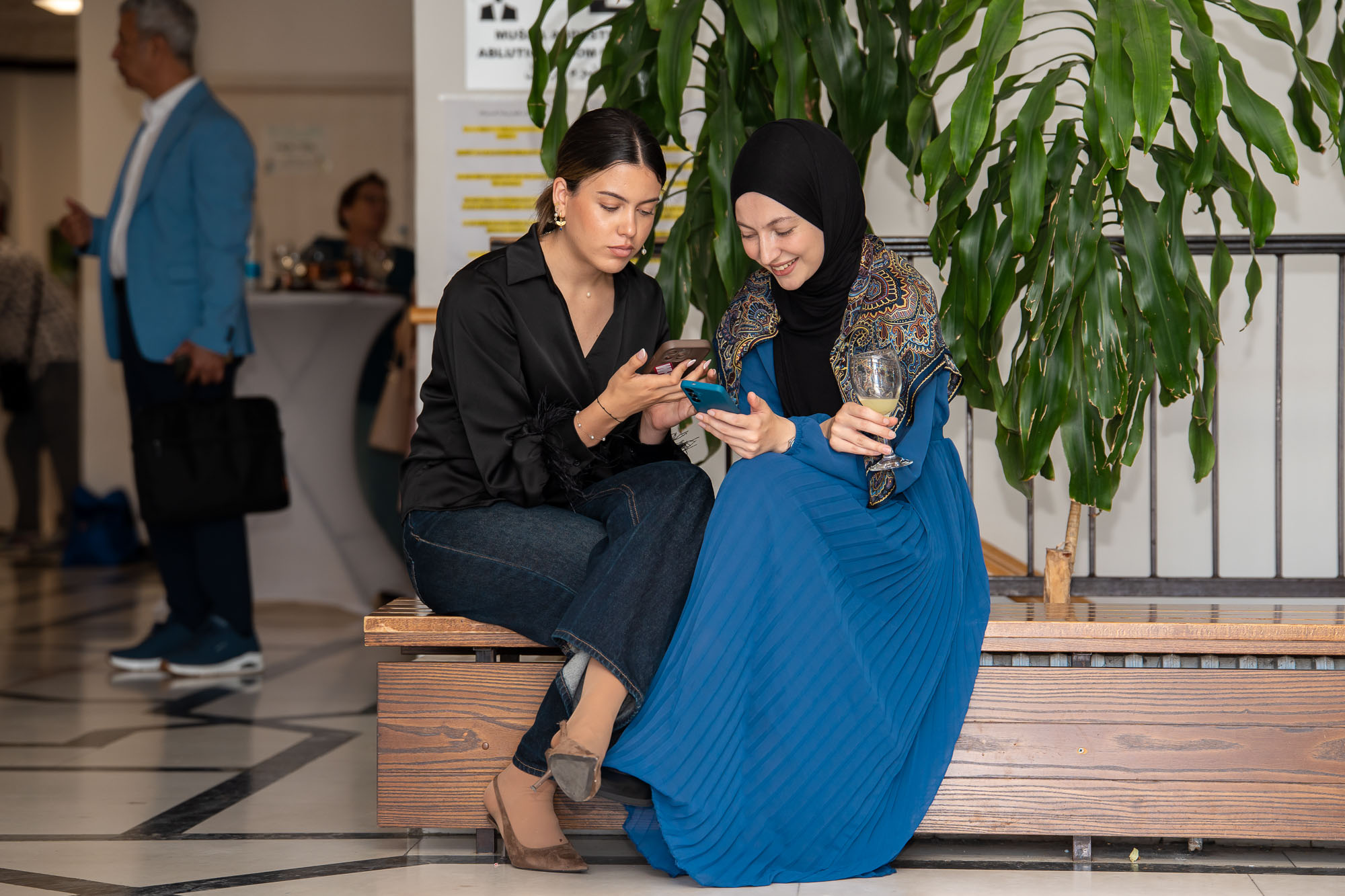
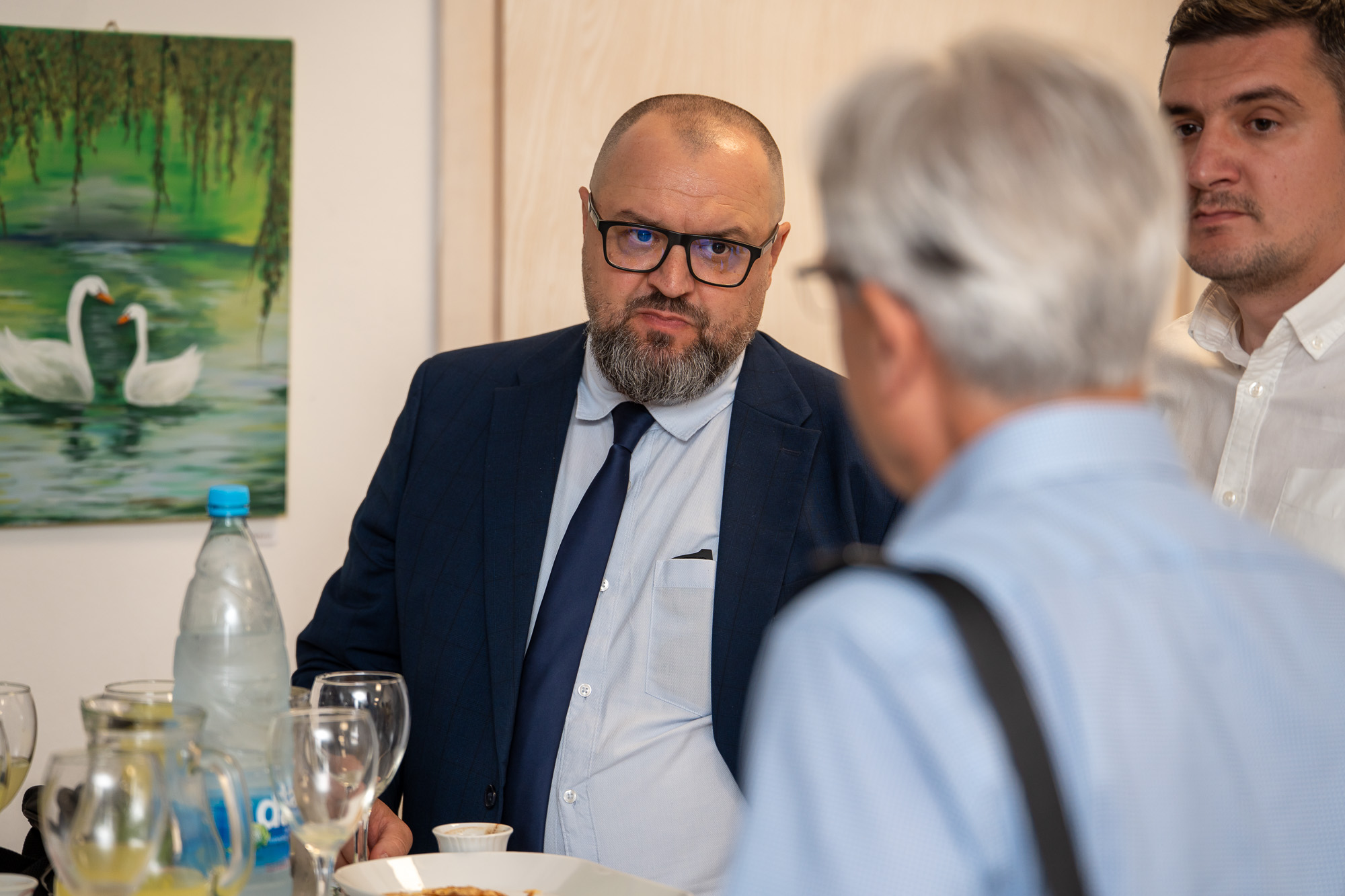
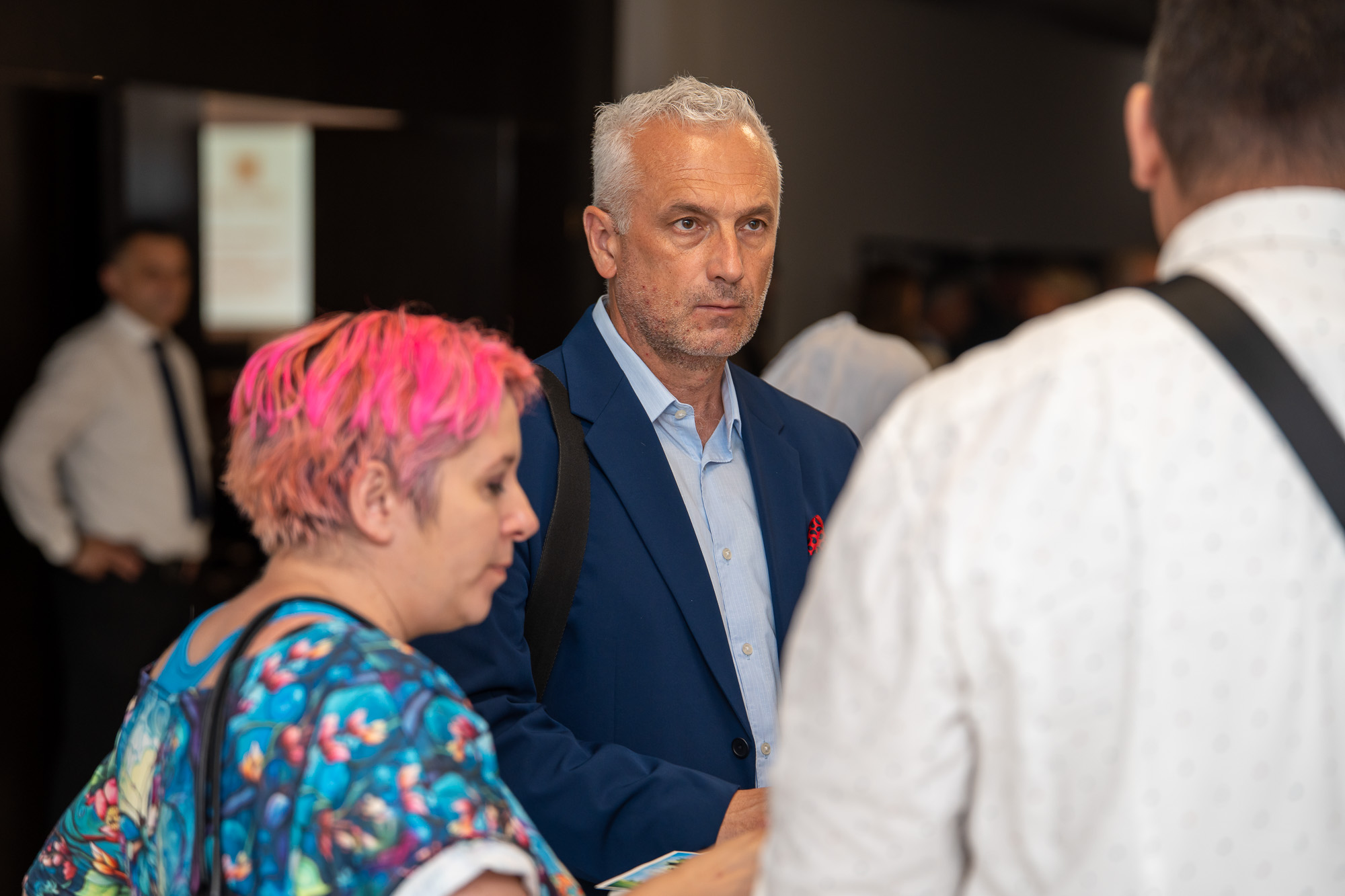
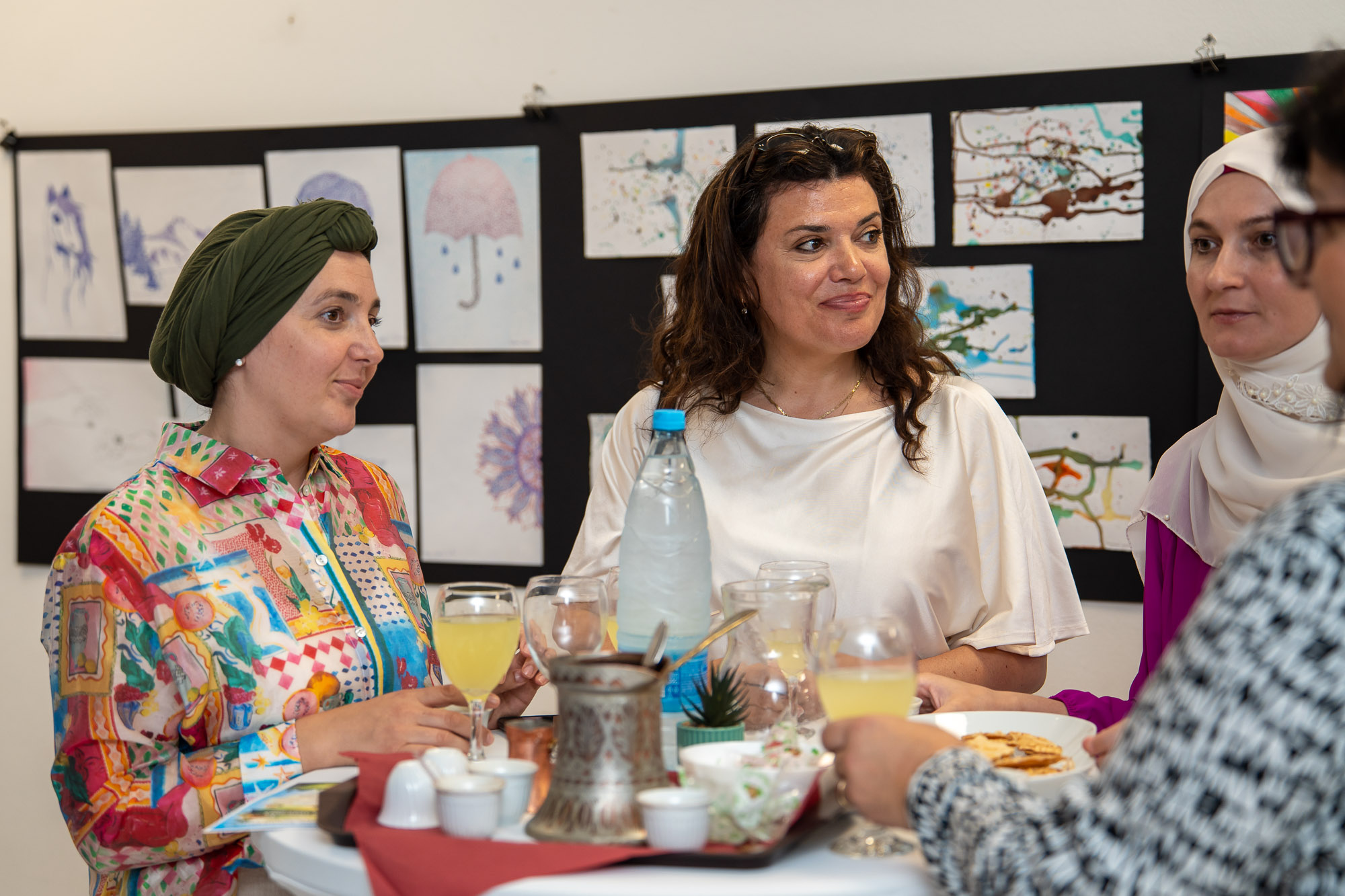
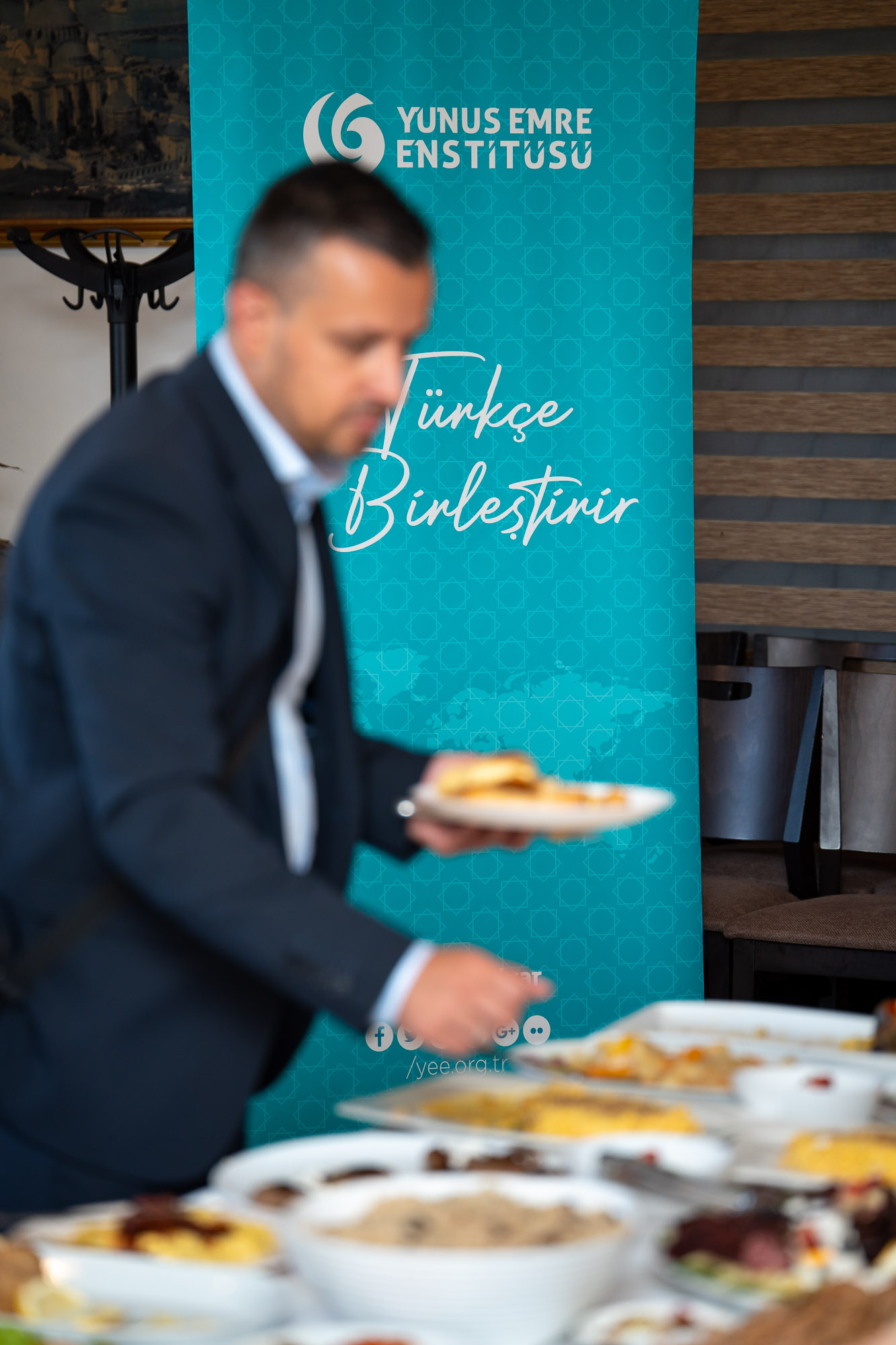
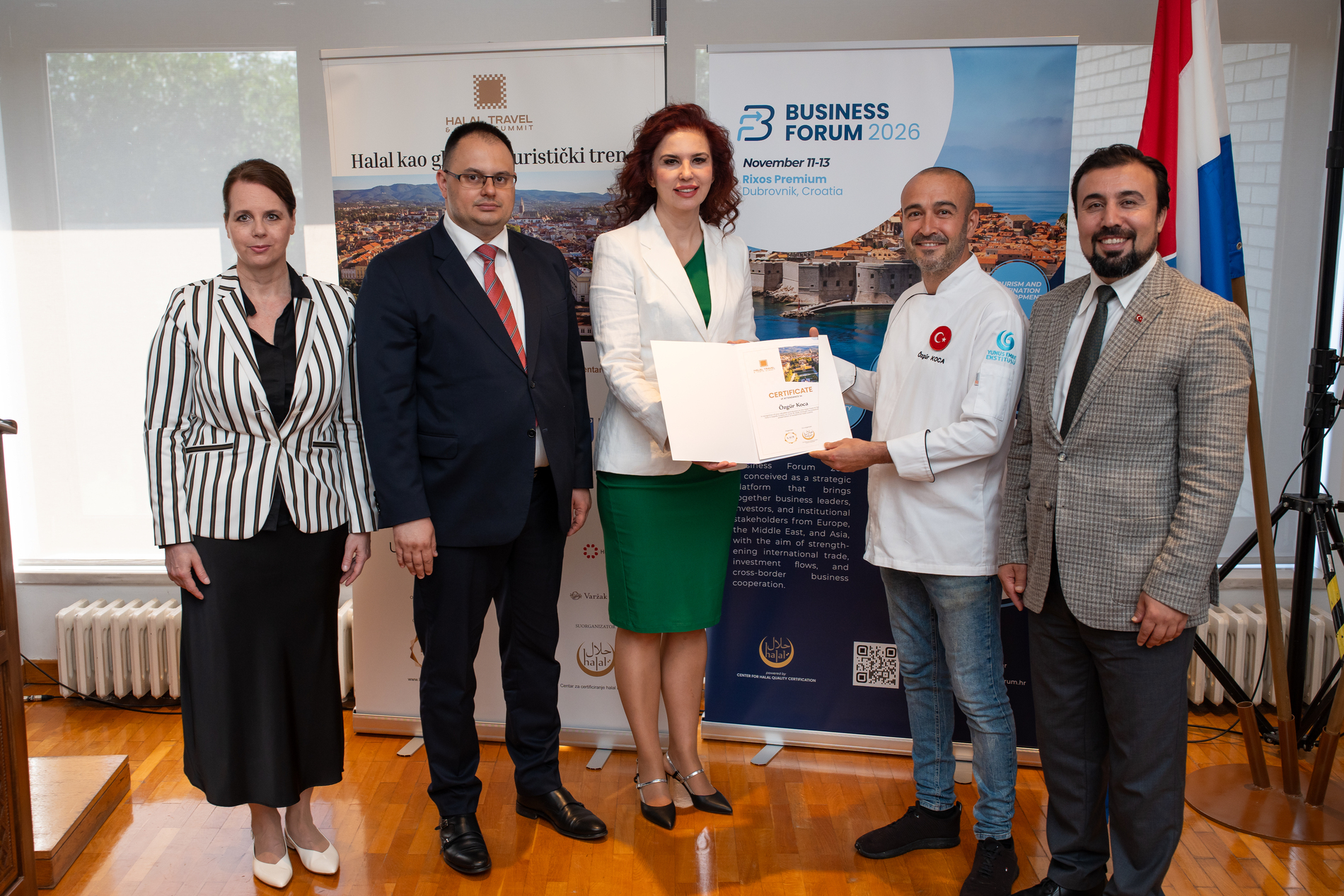
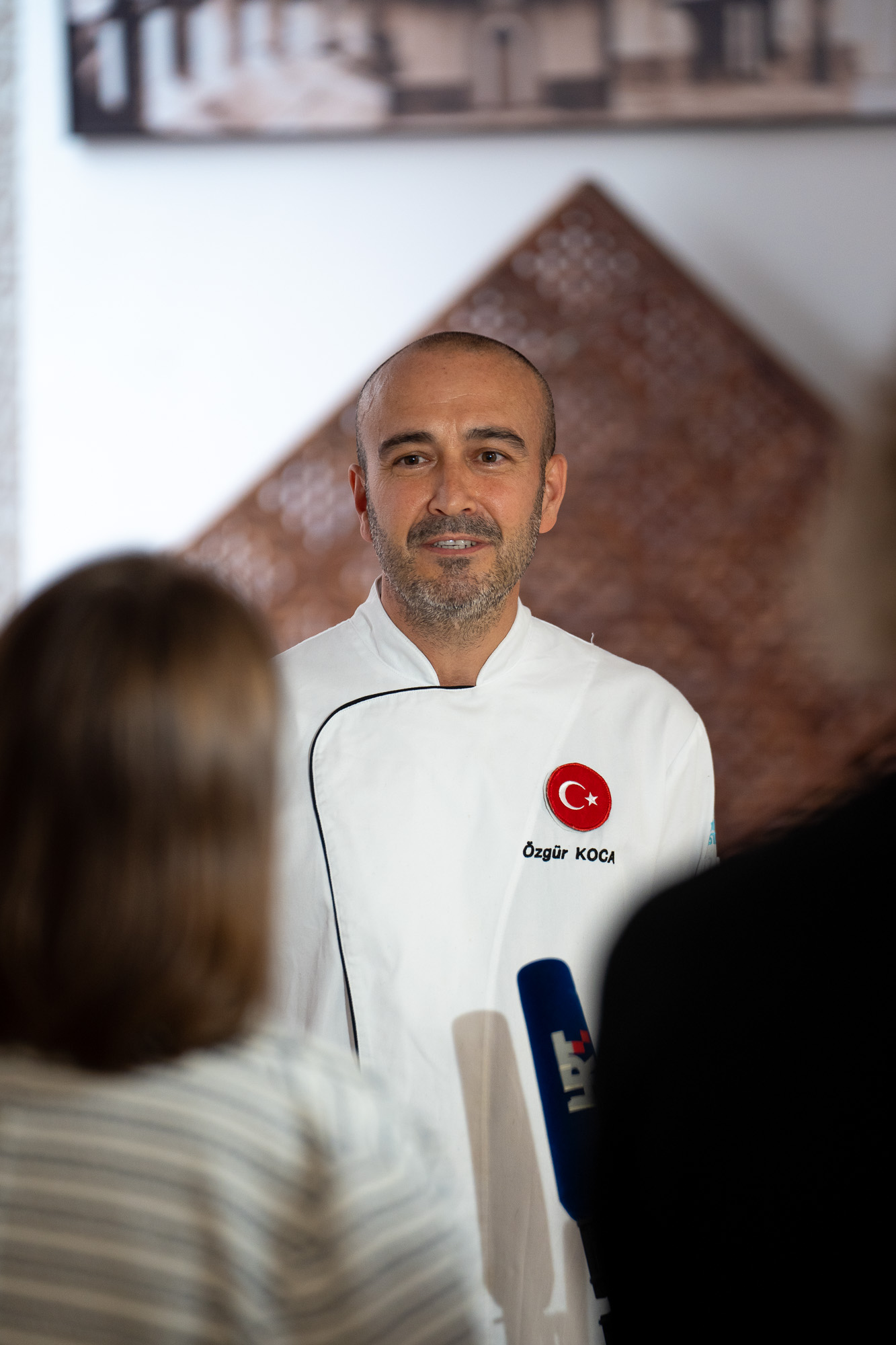
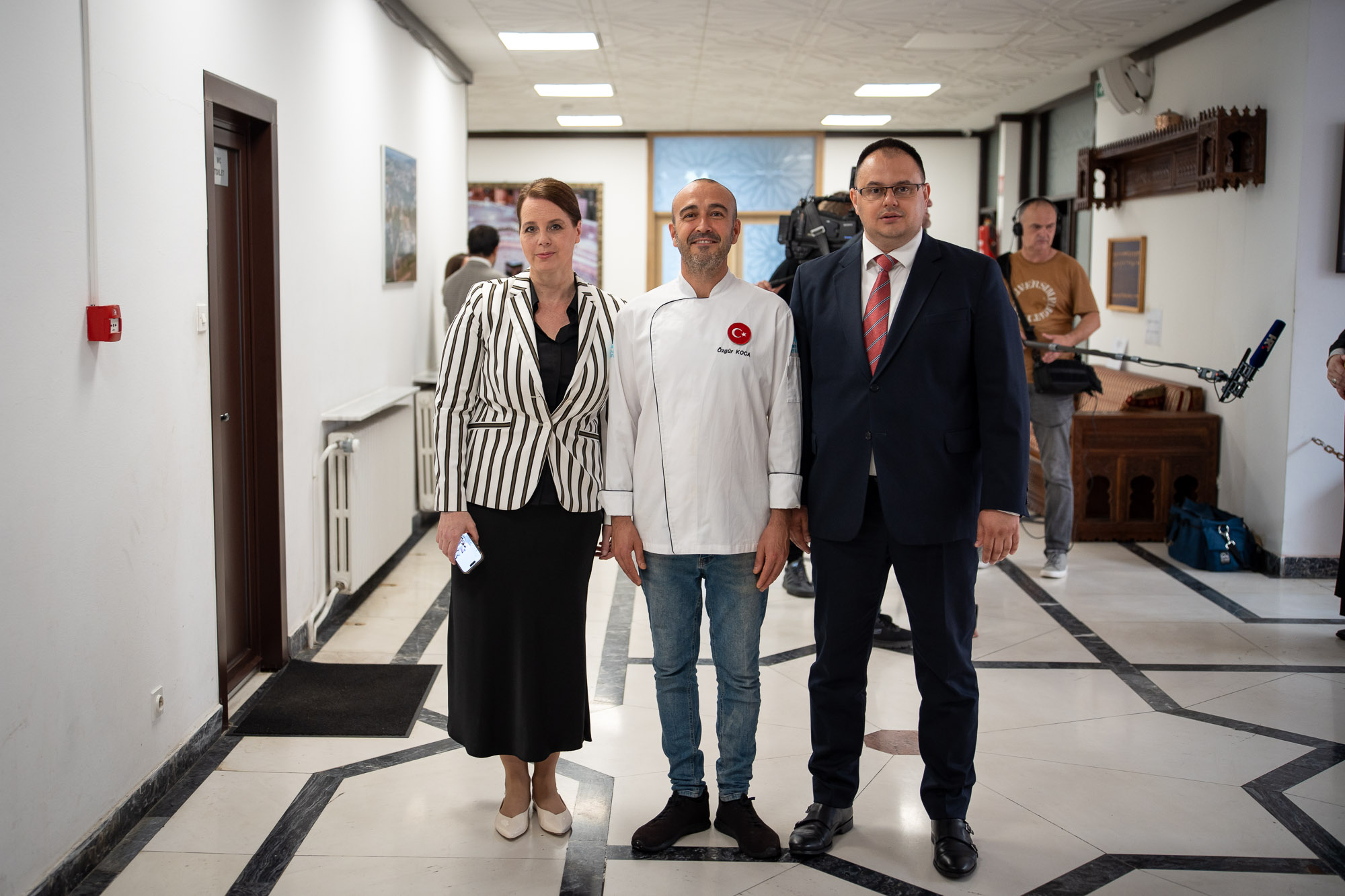
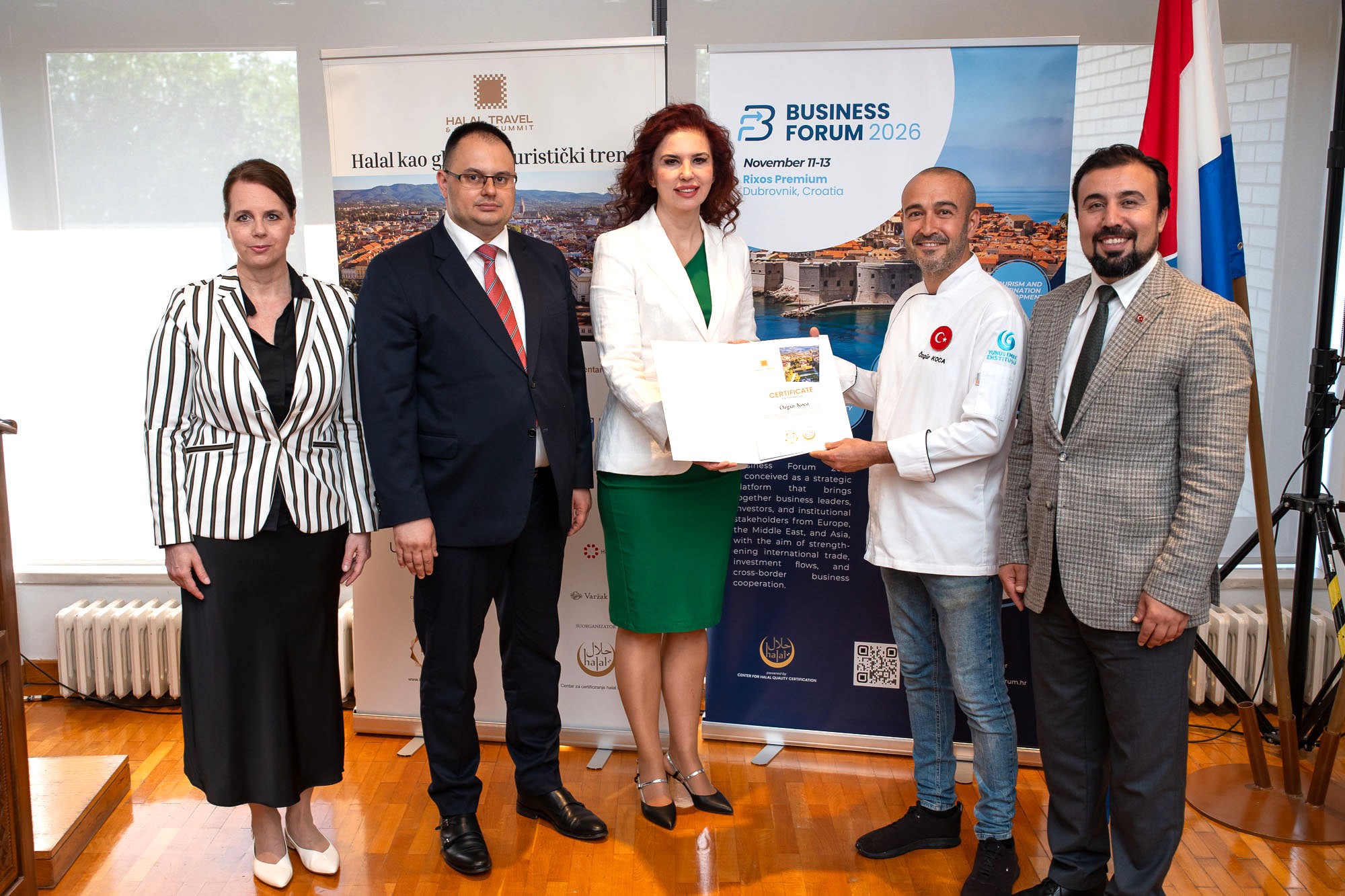
In the experiential and gastronomic segment of the programme, organised in co-operation with the Yunus Emre Turkish Cultural Centre in Zagreb, Turkish chef Özgür Koca presented a selection of specialities from Anatolian cuisine. Participants had the opportunity to taste authentic flavours from the heart of Türkiye and discover the richness and diversity of Turkish culinary heritage. The gastronomic experience further reinforced one of the Summit's key messages: gastronomy is no longer merely a component of the tourism offering, but also a powerful cultural and economic tool for connecting people, identities and destinations, as well as an important means of promotion.
Alongside the initiative to further develop standardisation and regulatory frameworks related to halal tourism, the conclusion of the Summit was clear: Croatia has all the necessary foundations to establish itself as a recognised halal-friendly destination. At a time when travellers are increasingly seeking safety, authenticity and trust, recent statistics indicate that halal is no longer viewed merely as a standard, but is emerging as a language of contemporary tourism and an important economic instrument for the future. Croatia's tourism sector should therefore prepare for this opportunity through a strategic, coordinated and long-term approach.
Photo: LUX Promocija / Luka Mihačić
- Log in to post comments