 REQUEST FOR QUOTATION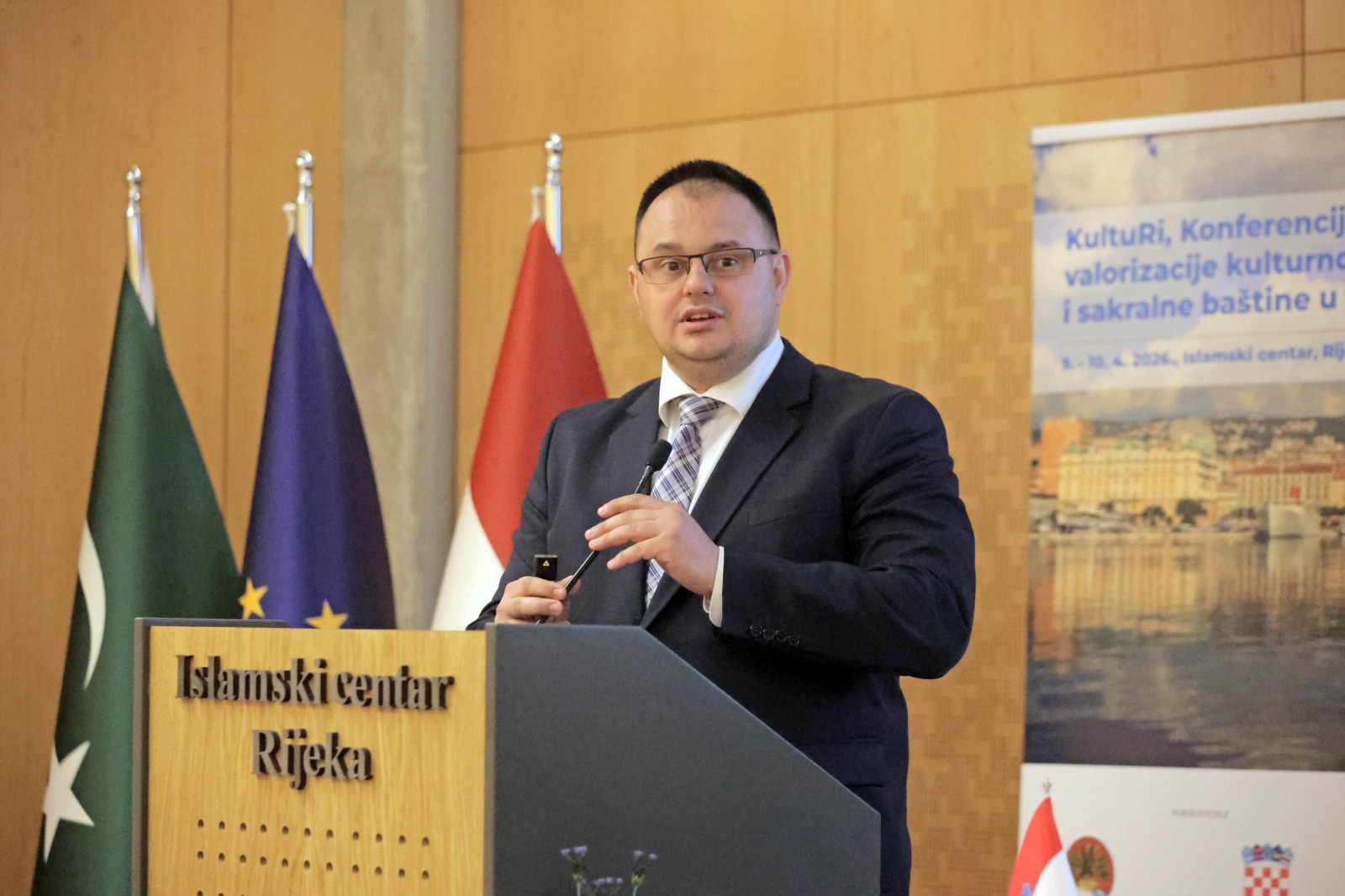
KultuRi 2026: From Culinary Heritage to Tourism Identity
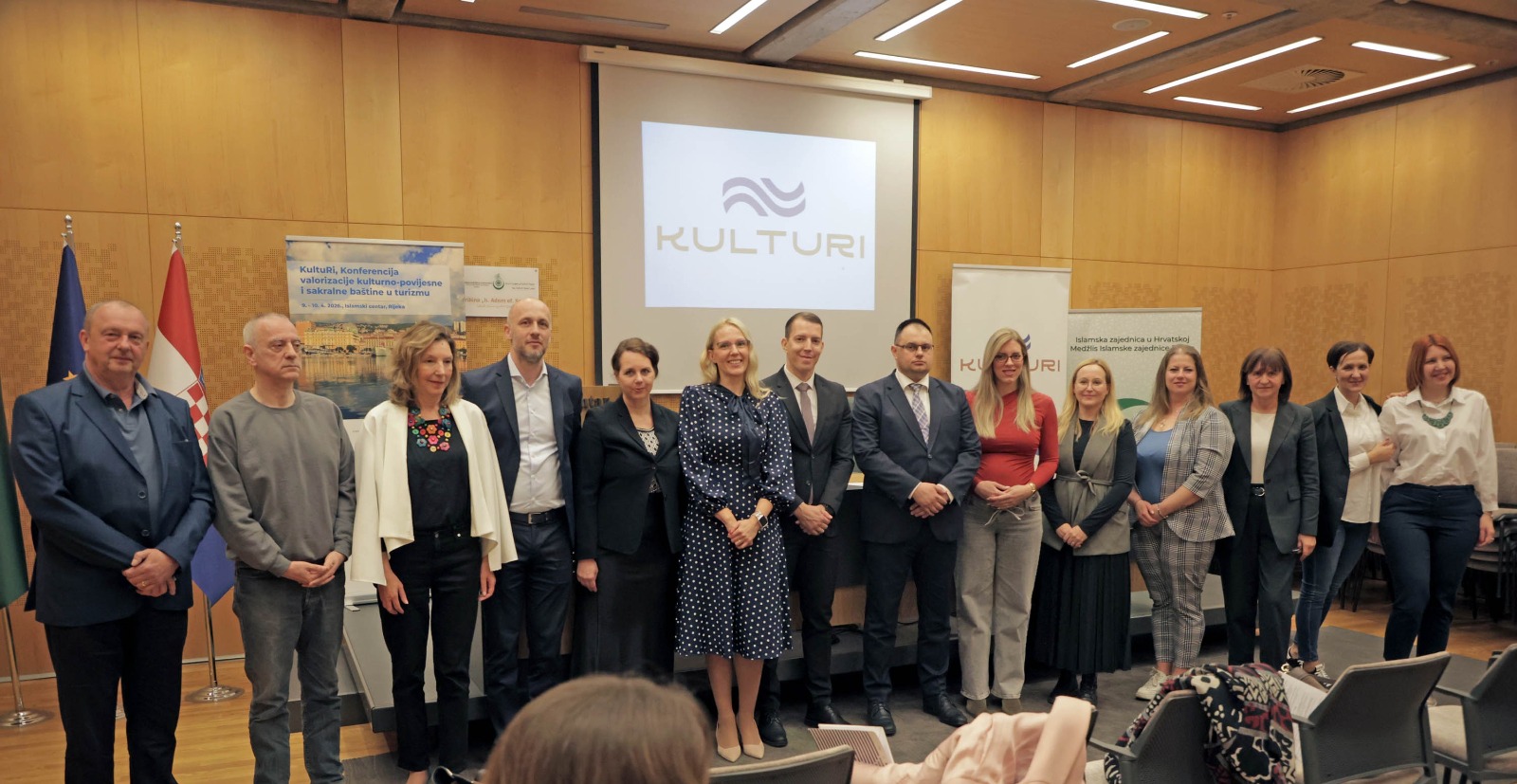
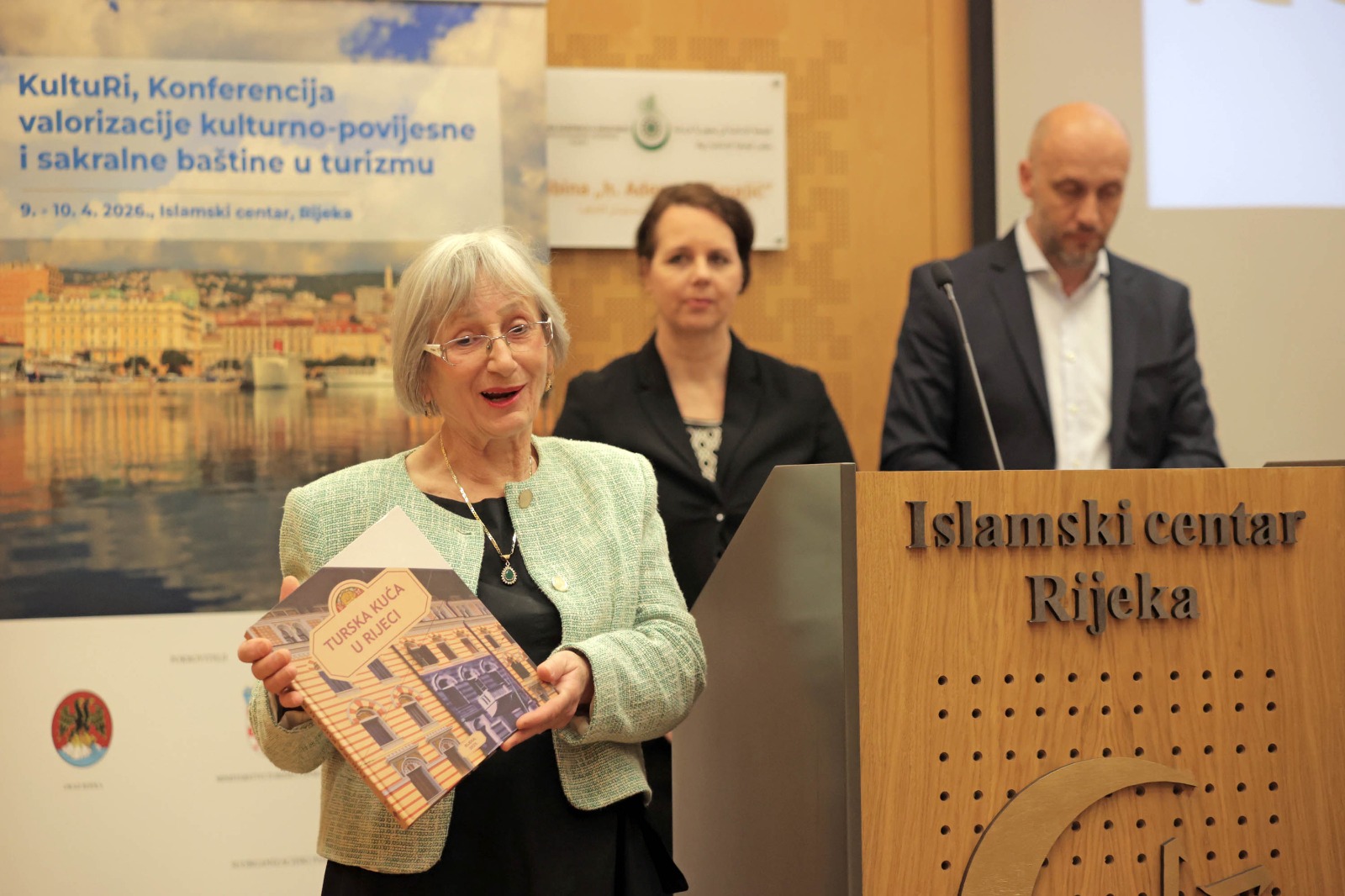
In her opening address, Sunčana Matić, representative of the organiser LUX Promocija, welcomed the participants and emphasised the importance of networking experts and raising awareness of the potential of cultural and gastronomic heritage in creating distinctive tourism narratives. As host of the conference, the opening speech was delivered by Hidajet ef. Hasanović, Chief Imam of the Islamic Community Council Rijeka, who presented the Islamic Centre as an example of a space where cultural, spiritual and tourism dimensions harmoniously intertwine, and as a symbol of openness and intercultural dialogue.
The first day of the conference was marked by a panel discussion on the possibilities for developing culinary heritage as a sustainable tourism product. Panel participants – Karin Mimica and Zlatko Puntijar – raised key questions on destination branding through gastronomy, the importance of preserving authenticity, and the role of the local community in creating recognisable gastronomic identities.
As part of the programme, special emphasis was placed on the presentation by Velid Đekić, who spoke about Rijeka's industrial and cultural-gastronomic heritage, focusing on how the city's historical narratives can be transformed into contemporary tourism interpretations. In particular, through the motif of the “Rijeka chocolate elephant”, he demonstrated how elements of the city's industrial and confectionery past can be used as a recognisable symbol and storytelling tool in destination branding.
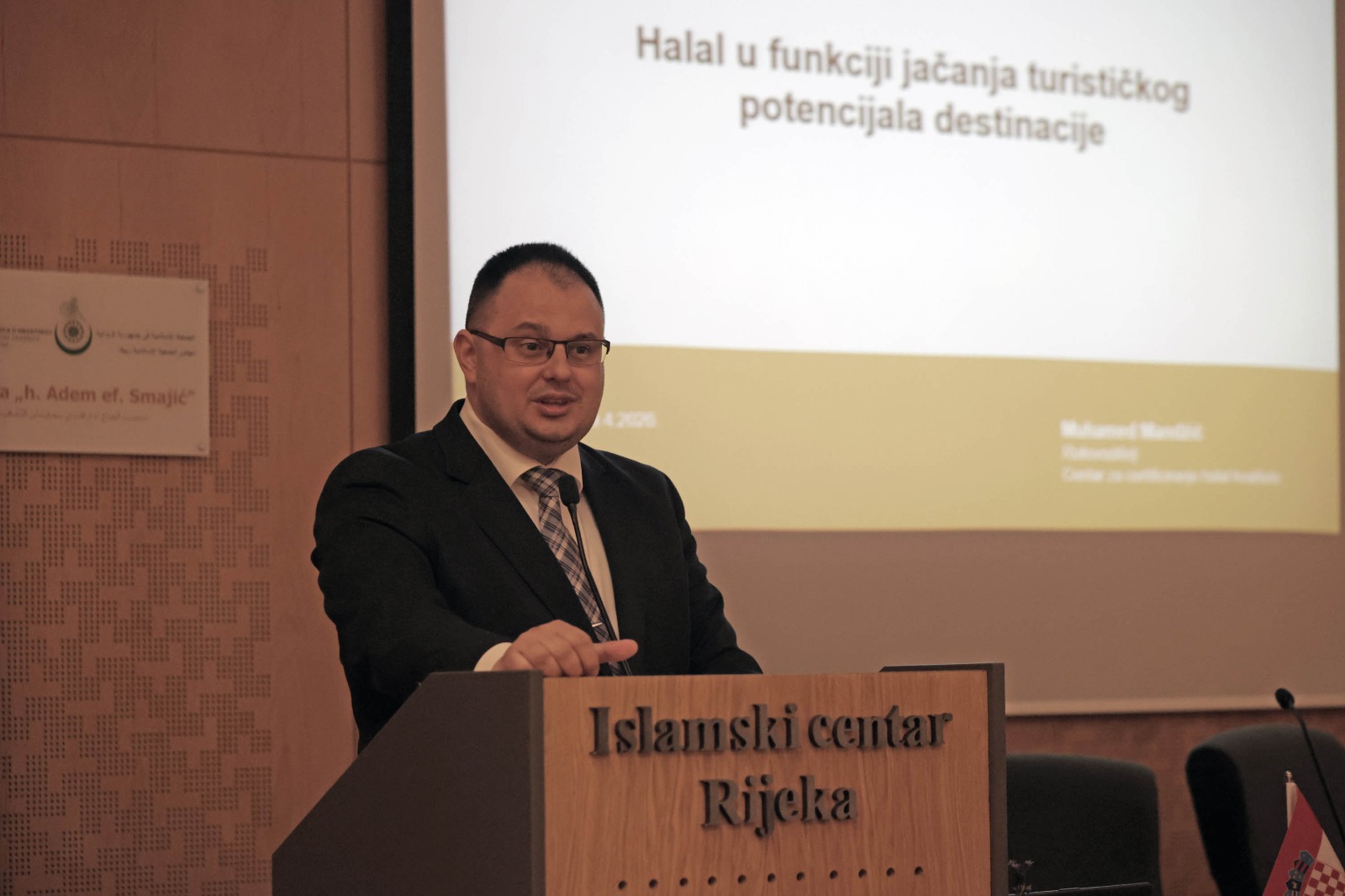
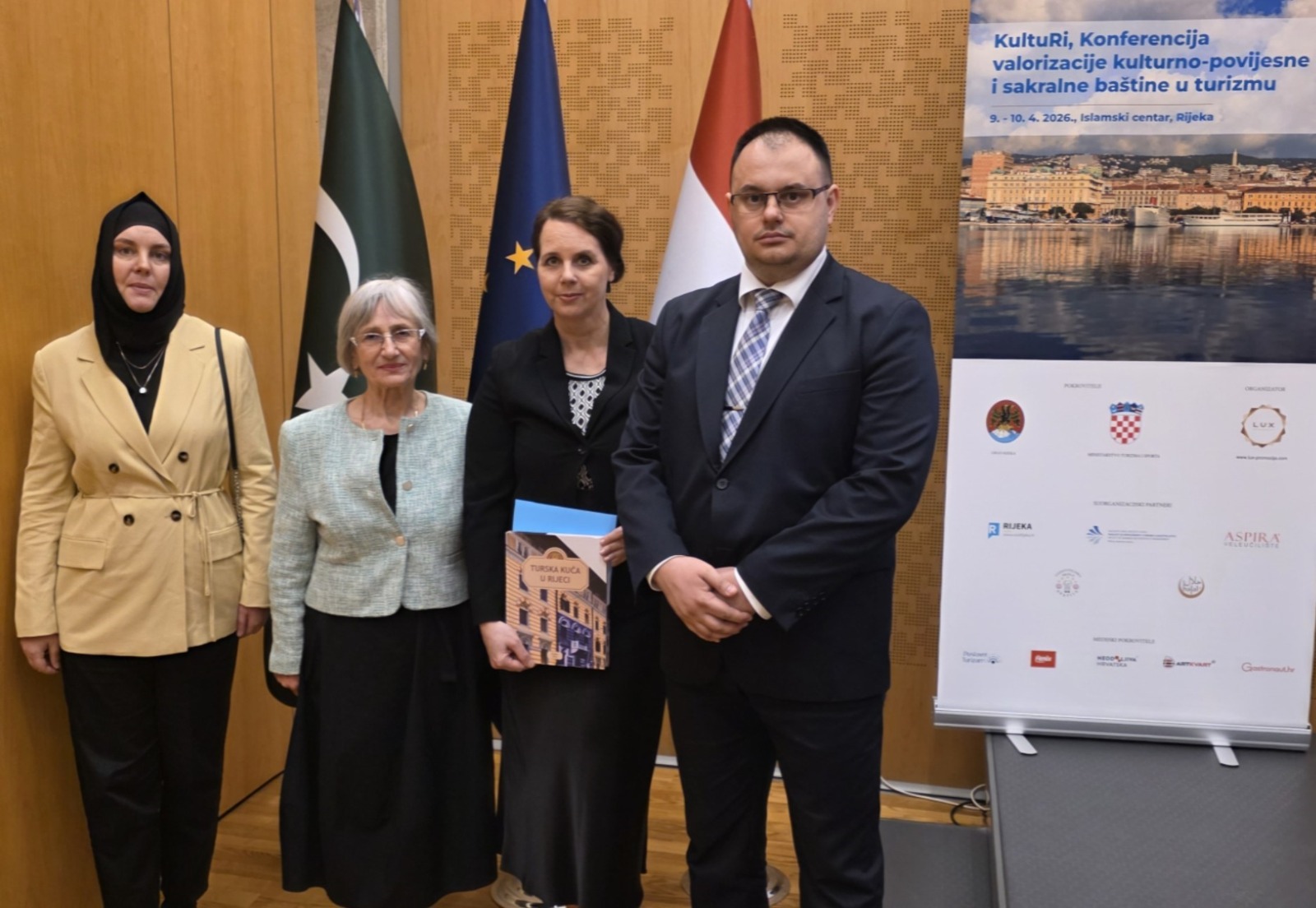
An important contribution to the programme was also made by the segment dedicated to halal standards in tourism, in which Muhamed Mandžić, Manager of the Centre for Halal Quality Certification, delivered a presentation on behalf of the Centre. As part of the Centre's participation in the conference, Enisa Botonjić from the Quality Department was also present in Rijeka.
The programme also included participation by representatives of tourist boards and educational institutions from Vrsar, Fažana, Lovran and Kraljevica, who presented examples of the valorisation of local gastronomy in a tourism context and the development of authentic destination products.
The second day of the conference focused on innovations and contemporary approaches to heritage interpretation. Elena Rudan and Branka Bezić Filipović spoke about gastronomy as part of destination identity and its role in the development of experiential tourism, while other presentations opened up topics such as digital tools, creative tourism and new forms of cultural heritage presentation.
Throughout the programme, a common message emerged: gastronomy today goes beyond its traditional role and becomes a powerful tool for interpreting identity, cultural memory and the sustainable development of destinations. It was precisely in this context that Rijeka stood out as an example of successful heritage valorisation in contemporary tourism. At the same time, we extend our sincere congratulations to the organisers and host for the excellent realisation of the conference and thank them for the trust and hospitality shown to us.
- Log in to post comments